Close
(0) Shopping cart
You have no items in your shopping cart.
Shopping Categories
    Filters
    Preferences
    Search
    Tuesday, May 12, 2026 12:52:40 PM

    H2 Fixed Gas Detector Process Connection and Seal Issues

    one year ago
    Hello everyone! Can anyone confirm the process connection for the GD400-H2 fixed gas detector? We've been struggling to achieve a gas-tight seal.
    Any help would be appreciated!
    0
    one year ago
    Thomas P. wrote:
    Hello everyone! Can anyone confirm the process connection for the GD400-H2 fixed gas detector? We've been struggling to achieve a gas-tight seal.
    Any help would be appreciated!

    Hi Thomas!
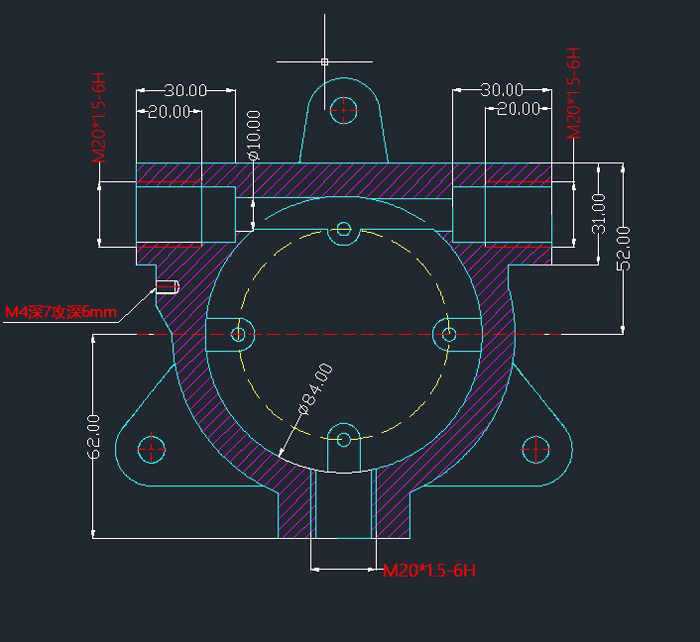
    The thread size at the bottom of the GD400-H2 gas detector is M20*1.5-6H. Please check the attached interface size diagram for more details.
    1
    ATO.com
    one year ago
    ATO wrote:
    Hello everyone! Can anyone confirm the process connection for the GD400-H2 fixed gas detector? We've been struggling to achieve a gas-tight seal.
    Any help would be appreciated!
    Hi Thomas!
    The thread size at the bottom of the GD400-H2 gas detector is M20*1.5-6H. Please check the attached interface size diagram for more details.

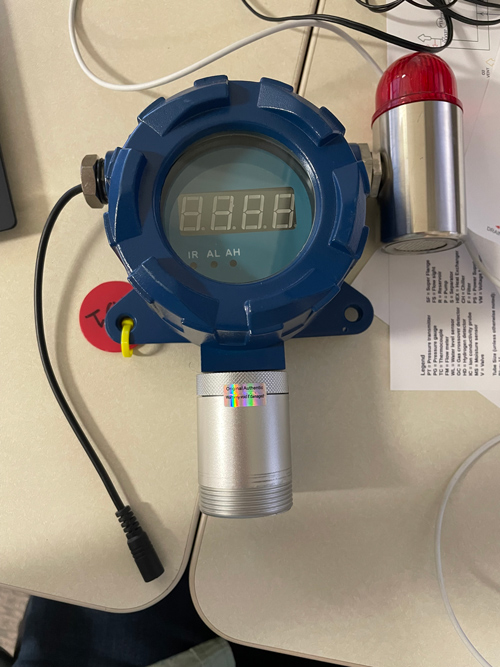
    Thank you for the information! However, the detector we received has an additional silver component attached to it (see attached image). This silver unit connects to the M20*1.5-6H, but it has a male thread at the other end, approximately 4.5 cm in diameter. What exactly is this connection? It seems critical since wires are running into it, and it has a screen on one side.

    0
    one year ago
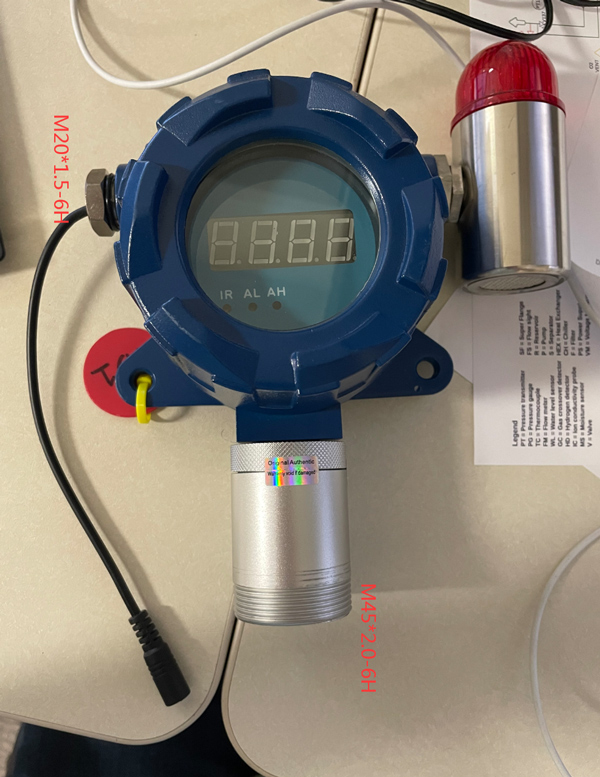
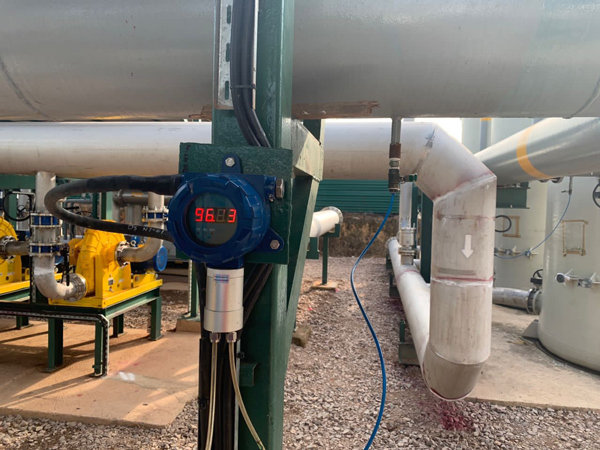
    The silver component is a flow-through cover. The thread on the flow-through cover is M45*2.0-6H, while the electrical interface thread on the left side is M20*1.5-6H. Please refer to the attached use case diagram for better understanding.


    0
    ATO.com
    one year ago
    ATO wrote:
    The silver component is a flow-through cover. The thread on the flow-through cover is M45*2.0-6H, while the electrical interface thread on the left side is M20*1.5-6H. Please refer to the attached use case diagram for better understanding.


    Thanks! Can I remove the flow-through cover? When I unthreaded it earlier, I noticed wires running into it, which made me hesitant to proceed. I want to mount the detector inline with a gas reservoir. Are there any adapters for the M45*2.0 thread, or do you recommend specific fittings? So far, I've only found a 35mm compression nut with M45*2.0 threads.
    0
    one year ago
    Thomas P. wrote:
    Thanks! Can I remove the flow-through cover? When I unthreaded it earlier, I noticed wires running into it, which made me hesitant to proceed. I want to mount the detector inline with a gas reservoir. Are there any adapters for the M45*2.0 thread, or do you recommend specific fittings? So far, I've only found a 35mm compression nut with M45*2.0 threads.

    Thomas, the flow-through cover is often used for specific applications where controlled gas flow is required. Removing it might not be advisable unless you're certain it won't interfere with sensor performance.
    0
    one year ago
    Thomas P. wrote:
    Thanks! Can I remove the flow-through cover? When I unthreaded it earlier, I noticed wires running into it, which made me hesitant to proceed. I want to mount the detector inline with a gas reservoir. Are there any adapters for the M45*2.0 thread, or do you recommend specific fittings? So far, I've only found a 35mm compression nut with M45*2.0 threads.

    The sensor is rated to withstand a pressure of 1 bar ± 10%. If you're planning modifications, ensure the pressure remains within this range.
    0
    ATO.com
    one year ago
    ATO wrote:
    Thanks! Can I remove the flow-through cover? When I unthreaded it earlier, I noticed wires running into it, which made me hesitant to proceed. I want to mount the detector inline with a gas reservoir. Are there any adapters for the M45*2.0 thread, or do you recommend specific fittings? So far, I've only found a 35mm compression nut with M45*2.0 threads.
    The sensor is rated to withstand a pressure of 1 bar ± 10%. If you're planning modifications, ensure the pressure remains within this range.

    Understood, but can you confirm—is the 1 bar pressure rating absolute or gauge? Also, what component in the sensor limits the pressure rating?
    0
    one year ago
    Thomas P. wrote:
    Thanks! Can I remove the flow-through cover? When I unthreaded it earlier, I noticed wires running into it, which made me hesitant to proceed. I want to mount the detector inline with a gas reservoir. Are there any adapters for the M45*2.0 thread, or do you recommend specific fittings? So far, I've only found a 35mm compression nut with M45*2.0 threads.
    The sensor is rated to withstand a pressure of 1 bar ± 10%. If you're planning modifications, ensure the pressure remains within this range.
    Understood, but can you confirm—is the 1 bar pressure rating absolute or gauge? Also, what component in the sensor limits the pressure rating?

    The 1 bar rating is absolute pressure. The limitation comes from the sensor's internal components, which are designed for this pressure range to ensure safety and accurate readings.

    0
    ATO.com