
Bilge Pump
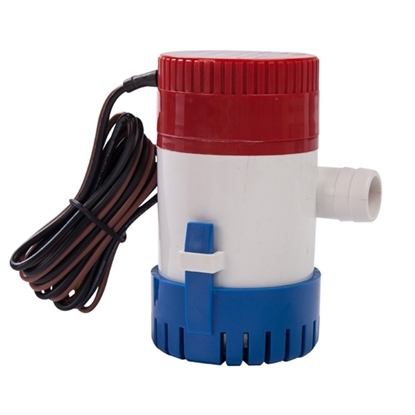
350 GPH Bilge Pump, 12V
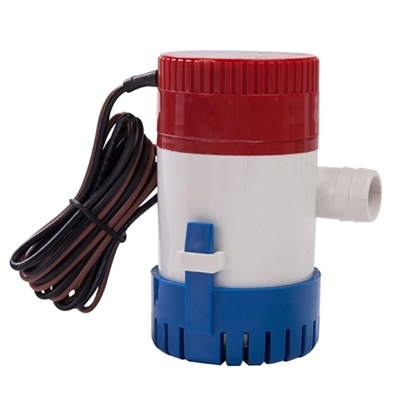
500 GPH Bilge Pump, 12V/24V
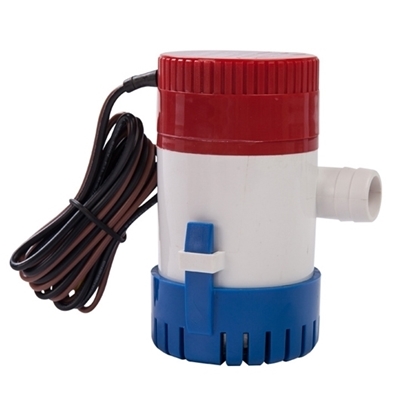
750 GPH Bilge Pump, 12V/24V

1100 GPH Bilge Pump, 12V/24V

1500 GPH Bilge Pump, 12V/24V
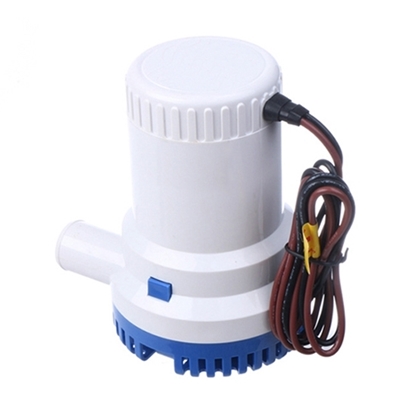
2000 GPH Bilge Pump, 12V/24V
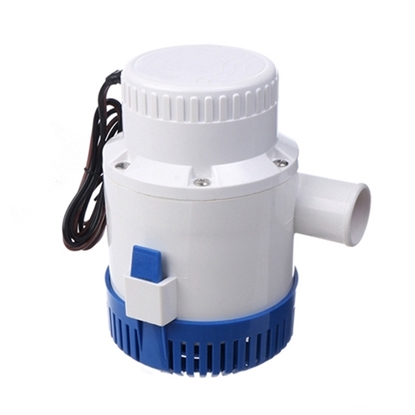
3000 GPH Bilge Pump, 12V/24V
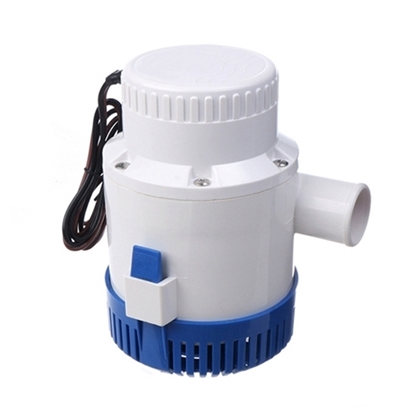
3500 GPH Bilge Pump, 12V/24V
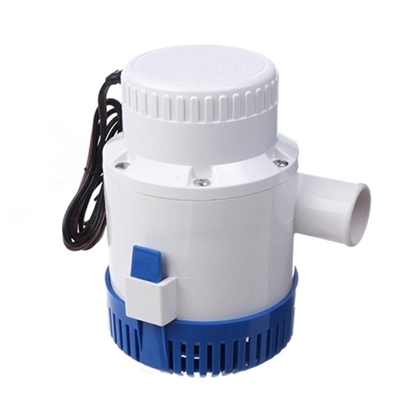
3700 GPH Bilge Pump, 12V/24V
What Is a Bilge Pump?
A bilge pump is a water pump designed to remove accumulated water from the bilge, the lowest compartment of a boat, ship, or other watercraft. It helps prevent flooding and maintain vessel safety by transferring unwanted water outside the hull. Electric bilge pumps use motor-driven impellers to provide efficient and reliable drainage, making them widely used in boats, yachts, fishing vessels, kayaks, and other marine applications where effective water removal is required.
How Does a Bilge Pump Work?
A bilge pump works by using a motor to drive an impeller, which creates suction and moves accumulated water from the bilge through a discharge outlet. Electric bilge pumps convert electrical energy into mechanical motion to transfer water outside the vessel when water accumulation occurs, helping maintain a dry bilge area and improve marine safety.
Types of Bilge Pumps
Bilge pumps can be classified according to their operating method and power source. Different types are designed for different drainage requirements, installation conditions, and vessel applications.
| Type of Bilge Pump | Description | Common Applications |
| Electric Bilge Pump | Uses an electric motor to drive the pump and remove water efficiently. It is the most common type used in modern marine drainage systems. | Boats, yachts, fishing vessels, marine drainage |
| Automatic Bilge Pump | Uses a float switch or sensor to activate automatically when water reaches a certain level. | Boats requiring automatic water level protection |
| Manual Bilge Pump | Operated by hand without electrical power and commonly used as backup drainage equipment. | Small boats and emergency situations |
| Portable Bilge Pump | Compact and lightweight design that allows easy installation, removal, and transportation. | Small vessels, kayaks, emergency drainage, and temporary water transfer |
What Is a Bilge Pump Used For?
A bilge pump is mainly used to remove accumulated water from the bilge area of boats, ships, yachts, fishing vessels, and other watercraft. It helps maintain safe operating conditions by removing water caused by rain, waves, leaks, or condensation. Some compact electric bilge pumps can also be used for small-scale water transfer applications such as fountains, irrigation systems, and water circulation.
Common applications of bilge pumps include:
- Bilge Water Removal: Removing accumulated water from the hull and bilge area to help keep vessels dry.
- Flood Risk Reduction: Helping reduce water accumulation and maintain vessel stability during operation.
- Marine Equipment Protection: Protecting electrical systems, machinery, and other onboard equipment from water damage.
- Boat and Vessel Drainage: Supporting drainage requirements for recreational and commercial watercraft.
- Small-Scale Water Transfer: Moving water in applications such as fountains, irrigation systems, and water circulation equipment.
Why Choose ATO Bilge Pumps?
ATO provides electric marine bilge pumps designed for boat drainage and marine water removal applications. The product range covers 350 GPH to 3700 GPH models with 12V and 24V DC options, providing flexible solutions for small boats, recreational vessels, yachts, fishing boats, ships, and other watercraft.
Key advantages of ATO bilge pumps include:
- Wide Flow Range: ATO offers multiple flow capacities from compact 350 GPH bilge pumps to high-flow 3700 GPH models, helping users select the right pump according to vessel size and water removal requirements.
- Durable Construction: ATO bilge pumps feature stainless steel shafts and thermoplastic pump bodies, providing reliable corrosion resistance and long service life in both freshwater and seawater environments.
- Efficient Motor Performance: ATO electric bilge pumps use permanent magnet motors with 12V/24V DC power supply, delivering compact size, low noise operation, energy efficiency, and stable drainage performance.
- Built-In Filter Protection: Each bilge pump is equipped with a grille filter that helps prevent debris from entering the pump, protects internal components, and improves operational reliability.
- Compact and Flexible Design: With lightweight construction, different outlet sizes, and portable designs, ATO bilge pumps are suitable for various marine installations where space and reliable water removal are important.
Frequently Asked Questions About Bilge Pumps
Q1: Where should a bilge pump be installed on a boat?
A1: A bilge pump is usually installed at the lowest point of the bilge area where water naturally collects. The installation location should allow efficient water removal while keeping the pump accessible for inspection, cleaning, and maintenance.
Q2: What does GPH mean on a bilge pump?
A2: GPH stands for gallons per hour and indicates the maximum flow capacity of a bilge pump. A higher GPH rating means the pump can remove water faster, but the suitable flow rate depends on the boat size, bilge capacity, discharge hose size, and drainage requirements.
Q3: Does a bilge pump need a float switch?
A3: A float switch is not required for all bilge pumps, but it can provide automatic operation by activating the pump when the water level reaches a preset point. Manual operation is also available for systems where automatic control is not needed.
Q4: What is the difference between a bilge pump and a regular water pump?
A4: A bilge pump is specifically designed for removing accumulated water from boat bilges and marine environments. Compared with general water pumps, bilge pumps usually feature compact designs, DC power options, and structures suitable for intermittent drainage applications.
