
Submersible Level Sensor
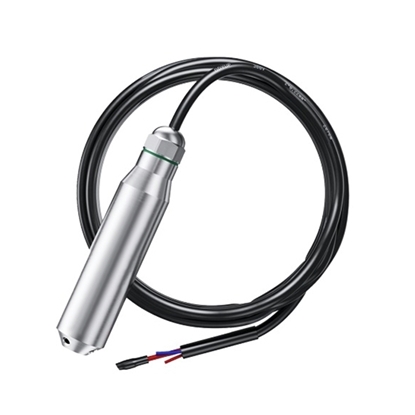
Hydrostatic Submersible Level Sensor, IP68, 0-500m
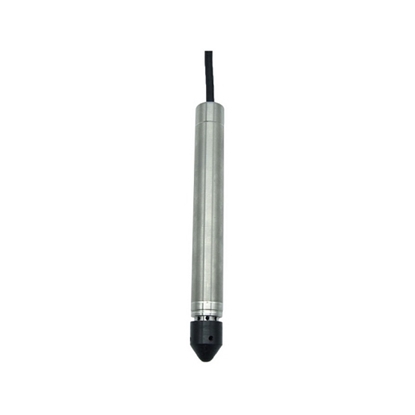
Seawater Submersible Level Sensor, 4-20mA, 0-5m
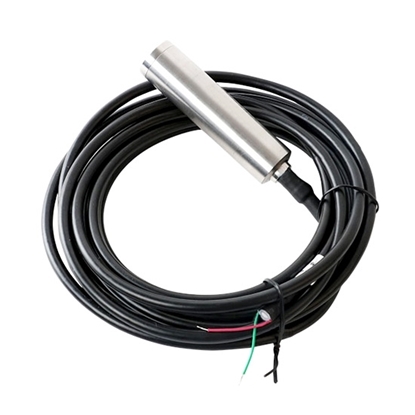
Submersible Level Sensor for Water/Oil/Fuel Tank, 0-200M
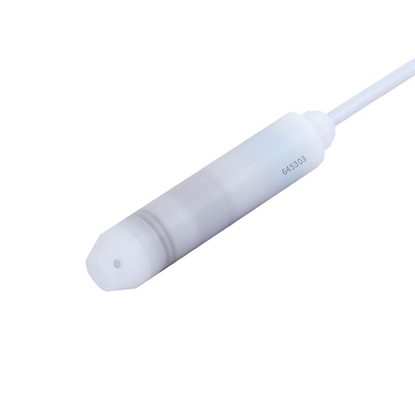
Submersible Level Sensor, Anti-corrosion, 4-20mA/RS485
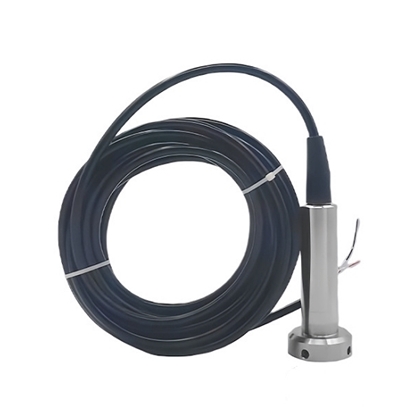
Submersible Water Level Sensor, Anti Clogging, 4-20mA
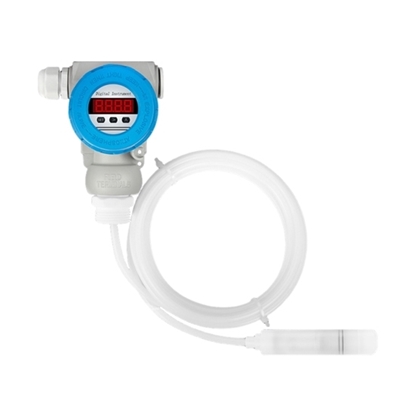
Submersible Level Sensor with Digital Display, IP68
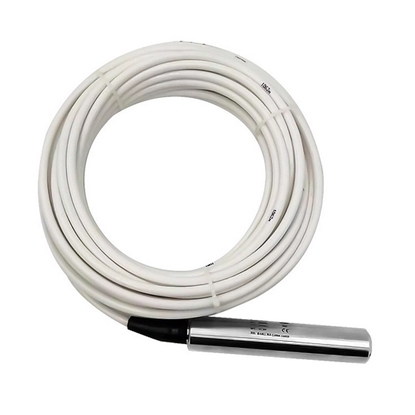
PTFE Submersible Level Sensor for Seawater, 4-20mA
Submersible level sensors are designed for continuous liquid level and depth measurement in tanks, wells, reservoirs, and other liquid-containing systems. With a direct immersion design, they provide reliable level monitoring for water, wastewater, and other compatible liquids. ATO offers a variety of measuring ranges, output signals, probe materials, and cable lengths to meet diverse liquid level measurement requirements.
Working Principle
A submersible level sensor determines liquid level through hydrostatic pressure measurement. The process includes:
- Pressure Detection: The submersible level sensor measures the pressure generated by the liquid column above the sensing element.
- Signal Conversion: The detected pressure is converted into an electrical signal corresponding to the liquid depth.
- Data Transmission: The signal is sent to PLCs, controllers, displays, or monitoring systems.
- Level Monitoring: The measured data enables continuous monitoring and automatic control of liquid levels.
Key Features
- Hydrostatic Level Measurement: Measures liquid level by detecting hydrostatic pressure generated by the liquid column, providing continuous depth measurement.
- Continuous Monitoring: Provides stable liquid level monitoring for water management, industrial processes, and automated control systems.
- Direct Submersible Installation: Designed for immersion installation in tanks, wells, reservoirs, and other liquid environments.
- Wide Measuring Range: Available for different liquid depths, from shallow tanks to deep wells and large reservoirs.
- Flexible Configuration Options: Supports different measuring ranges, output signals, cable lengths, and material options to meet various application requirements.
- Industrial Signal Compatibility: Available with common output signals such as 4-20mA, voltage output, and RS485 for integration with PLCs, controllers, and monitoring systems.
Typical Applications
Submersible level sensors provide reliable liquid level measurement for industrial, commercial, and water management applications. Their hydrostatic measurement principle and direct immersion design make them suitable for continuous liquid depth monitoring in:
- Water tanks and reservoirs
- Deep wells and groundwater monitoring
- Wastewater treatment systems
- Pump stations and drainage systems
- Industrial liquid storage tanks
How to Choose
- Measuring Range: Choose a measurement range suitable for the maximum liquid depth of the application. Deep water applications require sensors with higher pressure measurement ranges.
- Accuracy: Select the appropriate accuracy level according to monitoring, measurement, and control requirements.
- Output Signal: Match the output signal with existing PLCs, controllers, displays, or data acquisition systems.
- Liquid Compatibility: Confirm that the sensor material is suitable for the measured medium, such as water, wastewater, oil, or other liquids.
- Sensor Material: Consider corrosion resistance and wetted material compatibility for long-term operation.
- Protection Rating: Choose a suitable protection level, such as IP68, for submerged or outdoor installation environments.
- Cable Length: Select the cable length according to installation depth and wiring distance.
- Operating Temperature: Ensure the sensor can operate reliably within the required temperature range.
Available Options
ATO submersible level sensors are available with various measuring ranges, output signals, materials, and cable configurations. Options include different pressure ranges for shallow or deep liquid measurement, industrial output signals such as 4-20mA and RS485, and corrosion-resistant materials for different application environments.
FAQ
- What is the difference between a submersible level sensor and a level transmitter?
A submersible level sensor and a level transmitter are both used for liquid level measurement. A submersible level sensor focuses on direct immersion installation for detecting liquid pressure, while a level transmitter emphasizes converting the measured signal into a standardized output for monitoring and control systems. In many industrial applications, these terms may refer to similar hydrostatic level measurement devices. - Can a submersible level sensor work with a PLC system?
Yes. A submersible level sensor can be connected to PLCs, controllers, displays, and data acquisition systems through compatible output signals such as 4-20mA, voltage signals, or digital communication interfaces. This allows liquid level data to be used for monitoring, alarms, and automated control processes. - What factors affect submersible level sensor measurement accuracy?
Measurement accuracy can be affected by factors such as liquid density, temperature changes, installation position, sensor selection, calibration conditions, and environmental influences. Proper installation and choosing a suitable measuring range help maintain reliable and stable level measurement performance. - How should a submersible level sensor be maintained?
Regular inspection of the sensor body, cable, and installation environment helps ensure stable operation. For applications involving wastewater, sediment, or other challenging liquids, periodic cleaning and condition checks can help prevent measurement issues and maintain long-term reliability.
Submersible level sensors provide a reliable solution for continuous liquid level monitoring by combining hydrostatic measurement technology with a direct immersion design. With different measuring ranges, output signals, materials, and configurations available, our submersible level sensors provide flexible solutions for various level monitoring requirements. Browse ATO submersible level sensors to find the right model for your application.


