
Load Cell Module
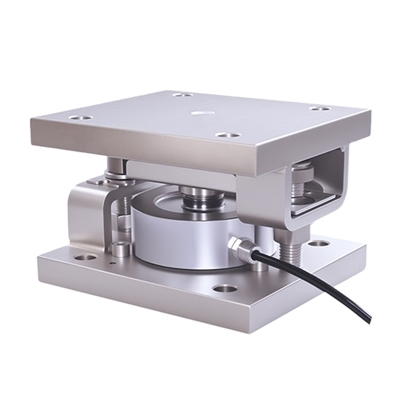
Low Profile Compression Load Cell Module for Weighbridge/Silo/Tank
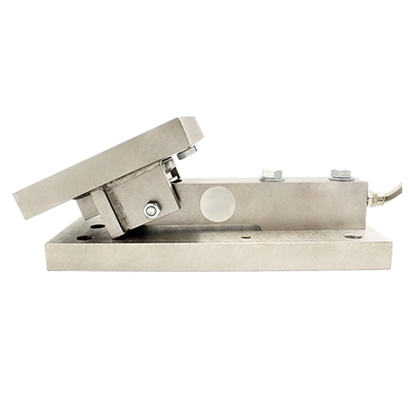
Cantilever Beam Load Cell Module, 2 ton/5 ton/10 ton/20 ton
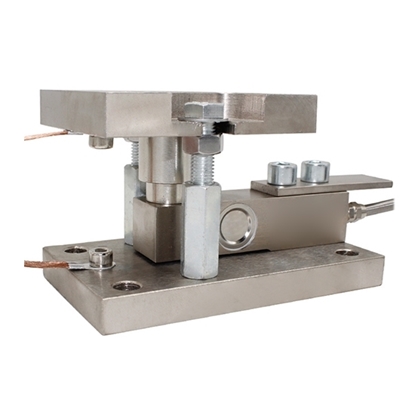
Cantilever Load Cell Weighing Module, 500kg/1 ton to 10 ton
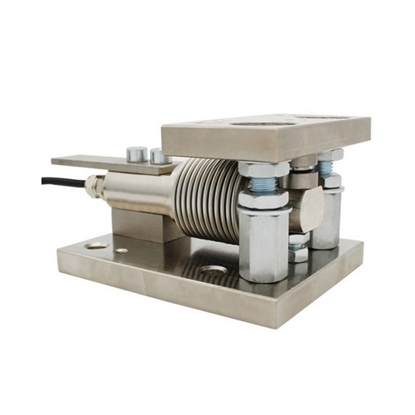
Mini Load Cell Weigh Module, Stainless Steel, 10kg/50kg to 500kg
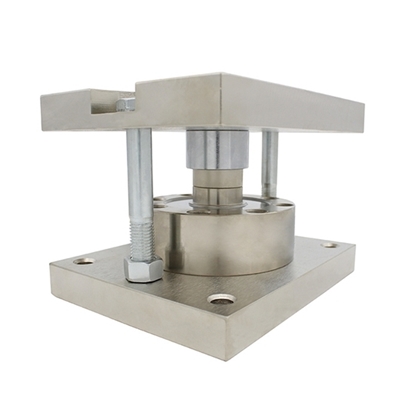
Pancake Load Cell Weighing Module, 500kg/1 ton/10 ton to 100 ton
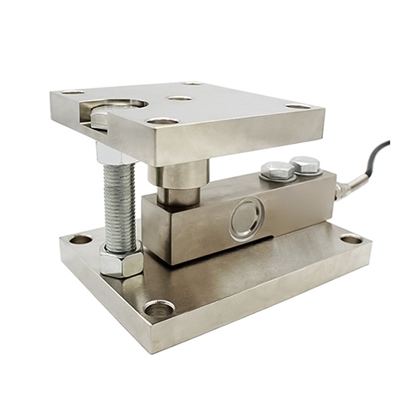
Cantilever Type Load Cell Module, 30kg/100kg/200kg/300kg to 10 ton
A load cell module is a pre-assembled weighing unit that combines a load cell with a mounting structure to provide accurate and stable force or weight measurement. It is designed to reduce errors caused by misalignment, side load, vibration, and thermal expansion, ensuring reliable performance in industrial environments. Easy to install and highly durable, it is widely used in applications such as tank weighing, hopper systems, silos, and conveyor scales.
Working Principle
A load cell module converts applied force into an electrical signal through strain gauges bonded to an elastic body. When load is applied, the elastic element deforms slightly, causing resistance changes in the strain gauges. These changes are measured by a Wheatstone bridge circuit and output as a proportional electrical signal. The load cell module also includes self-aligning or mounting structures to reduce errors caused by side load, eccentric load, and installation misalignment, ensuring stable and accurate measurement in industrial applications.
Common Types
Load cell modules are generally classified according to their structural design and loading method. Each type is suited for different industrial weighing applications.
1. Cantilever Beam Load Cell Module
A cantilever beam load cell module uses a structure where one end is fixed while the other end receives the applied load.
Features:
Simple structure and easy installation
Good resistance to side (lateral) loads
Suitable for small to medium capacity weighing
Typical Applications:
Platform scales
Hopper weighing systems
Conveyor weighing systems
2. Spoke Type Load Cell Module
A spoke-type load cell module features a wheel-spoke-like design that distributes force evenly for high stability.
Features:
High accuracy and excellent stability
Strong resistance to off-center loading and shock
Suitable for large capacity measurements
Typical Applications:
Tank weighing systems
Silos and storage hoppers
Industrial batching systems
3. Compression Load Cell Module
A compression load cell module measures weight through vertical compressive force and is widely used for heavy-duty applications.
Features:
Extremely high load capacity (up to hundreds of tons)
Rugged and highly durable structure
Ideal for long-term static weighing
Typical Applications:
Truck scales (weighbridges)
Storage tanks
Heavy industrial equipment weighing
4. Shear Beam Load Cell Module
A shear beam load cell module measures force based on shear strain and offers strong performance under dynamic conditions.
Features:
High accuracy and excellent linearity
Strong resistance to vibration and side loads
Suitable for dynamic or semi-dynamic weighing
Typical Applications:
Heavy-duty platform scales
Conveyor weighing systems
Automatic packaging systems
Selection
When selecting a load cell module, consider:
- Required weighing capacity.
- Static or dynamic weighing application.
- Installation space and mounting conditions.
- Environmental conditions such as moisture, dust, or corrosion.
- Required accuracy and system integration requirements.
Conclusion
ATO offers a comprehensive range of load cell modules designed to meet diverse industrial weighing requirements, from small-capacity hopper systems to heavy-duty tank and silo weighing applications. With options including cantilever beam, spoke type, compression, and shear beam load cell modules, customers can find reliable solutions for both static and dynamic weighing environments. Whether for process control, batching systems, conveyor weighing, or storage monitoring, ATO provides dependable weighing solutions backed by professional technical support and global service.
