
Explosion-proof Gas Detector
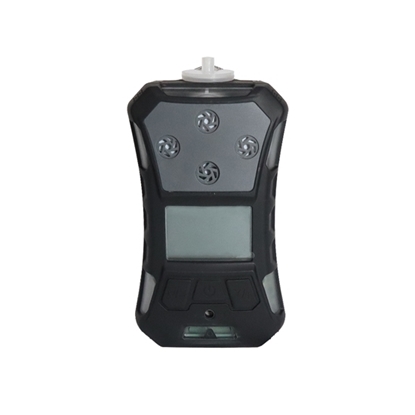
Explosion-Proof Multi Gas Detector, 4-Gas, CO, H2S, O2, LEL
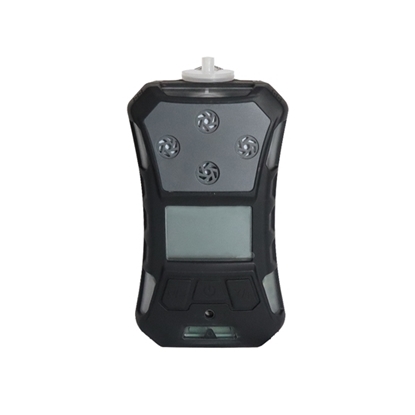
Explosion-Proof Multi Gas Detector, 5-Gas, CO, H2S, O2, LEL, VOC
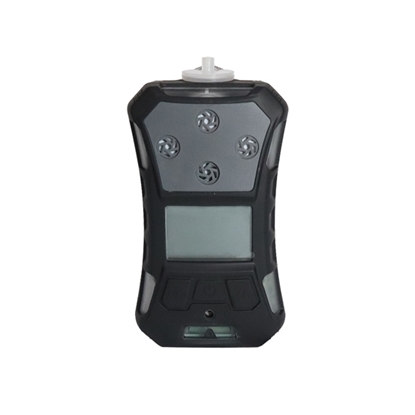
Portable Explosion-Proof Hydrogen Sulfide (H2S) Gas Detector
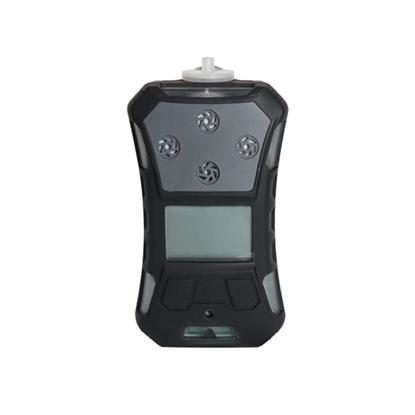
Portable Explosion-Proof Hydrogen (H2) Gas Detector
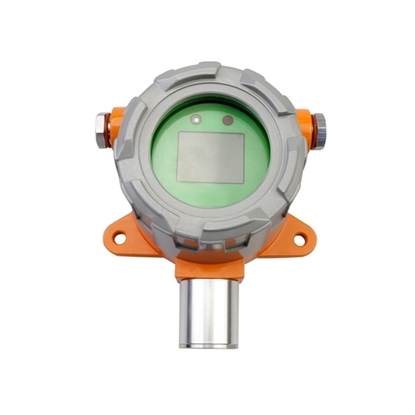
Explosion-Proof Methane (CH4) Gas Detector, 0-100/1000ppm
Why Explosion-Proof Gas Detectors Are Crucial for Safety
ATO Explosion-Proof Gas Detectors are essential safety devices used for continuous monitoring of flammable and explosive gases. They detect hazardous gas levels before they reach dangerous thresholds, providing early warnings of leaks or accumulation that could otherwise lead to fire or explosion.
Many combustible gases, such as methane, propane, or hydrogen, are colorless, odorless, and tasteless, making them undetectable without specialized sensors. In industrial, commercial, and manufacturing environments, this poses serious safety risks. Choosing and installing reliable explosion-proof gas detection systems is one of the most effective ways to protect personnel, equipment, and facilities.
Main Types of ATO Explosion-Proof Gas Detectors
Choosing the right type of gas detector depends on whether you need to monitor multiple gases simultaneously or focus on a single specific gas.
Multi-Gas Detector: Monitors 4–5 gases (CO, H₂S, O₂, LEL, VOC) simultaneously. Ideal for confined spaces and unknown atmospheres.
Single-Gas Detector: Focused on one specific gas (H₂S, H₂, CH₄). Suitable for targeted personal safety monitoring.
ATO Explosion-Proof Gas Detector Selection Table
Here’s a quick comparison to help you pick the best model for your needs.
| Model SKU | Gas Type |
Certification | Working Tempe |
Protection Grade |
Measuring Range | Application |
| GD400-4GAS |
CO, H₂S |
CE, ATEX | -20℃~+50℃ | IP67 | CO: 0-500/1000/2000 ppm H₂S: 0-100/200/500 ppm O₂: 0-25% VOL/0-30% VOL EX/LEL: 0-100% LEL |
Simultaneous detection of CO, H₂S, O₂, and flammable gases in industrial environments. |
| GD400-5GAS | CO, H₂S O₂, LEL VOC |
CE, ATEX | -20℃~+50℃ | IP67 | O₂: 0-30% VOL EX: 0-100% LEL CO: 0-1000 ppm H₂S: 0-100 ppm VOC: 0-100/0-200/0-500/ 0-1000/0-2000/0-5000 ppm |
Multi-gas monitoring in chemical plants, confined spaces, and hazardous areas. |
| GD400-H2S | H₂S | CE, ATEX | -20℃~+50℃ | IP67 | 0-50/0-100/0-200 ppm | Toxic gas detection for indoor air quality and maintenance inspections. |
| GD400-H2 | H₂ | CE, ATEX | -20℃~+50℃ | IP67 | 0-500/0-1000/0-2000/ 0-5000/0-10000/ 0-20000 ppm 0-2% VOL 0-40000 ppm 0-4% VOL |
Hydrogen leak detection in labs and industrial hydrogen systems. |
| GD400-CH4 | CH₄ | CE, ATEX | -30℃~+50℃ | IP65 | 0–100/0–1000 ppm | Reliable methane detection for chemical plants, coal yards, and industrial storage. |
How to Choose the Explosion-proof Gas Detector
Selecting the correct explosion-proof gas detector requires understanding the gases in your facility, detector type, certification requirements, and operational needs. Follow these structured steps to ensure safe and reliable monitoring.
Step 1: Identify the Gases You Must Detect
The first step is to determine which gases are relevant to your process.
- Combustible gases (LEL): Methane, propane, solvents.
- Toxic gases: H₂S, CO, SO₂, NH₃, Cl₂ (depending on your process).
- Oxygen (O₂): For monitoring deficiency or enrichment risk in confined spaces, inerting, or purging applications.
- Specialty gases: Refrigerants, VOCs, or PID-detectable compounds where applicable.
Tip: Do not guess. Confirm gases using process safety documentation, SDS sheets, and incident history.
Step 2: Decide Between Single-Gas or Multi-Gas Detection
- Single-gas detectors: Suitable for personal monitoring of a specific gas (e.g., H₂S only).
- Multi-gas detectors: Standard for confined space entry or environments with unknown hazards. Typically detect 4 gases such as LEL, O₂, CO, and H₂S, and optionally VOCs.
Tip: Multi-gas detectors provide comprehensive protection when multiple gas risks are present.
Step 3: Verify Certifications for Your Hazardous Location
Ensure the detector’s certifications match your facility’s hazard classification:
- Explosion-proof rating (Ex or XP): Prevents internal arcs from igniting external flammable atmospheres.
- Hazardous Zones: Confirm Class I (gases), Class II (dust), or Class III (fibers), and zone/division assignment (e.g., Zone 0, 1, 2).
- Gas Groups & Temperature Classes: Ensure the detector is rated for the specific gases and temperature range in your facility.
- Region Compliance: Verify certifications for your location (e.g., ATEX, IECEx, CSA).
Tip: "Intrinsically safe" labels alone are insufficient; approval must match your site classification.
Explosion-Proof Gas Detector – Application Scenarios
Choose a Multi-Gas Detector (GD400-4GAS/GD400-5GAS) if you need to monitor:
- Confined spaces or unknown atmospheres
- Multiple hazardous gases simultaneously (CO, H₂S, O₂, LEL, VOC)
- Environments requiring portable or flexible multi-gas detection
Choose a Single-Gas Detector (GD400-H2S/GD400-H2/GD400-CH4) if you need to monitor:
- A specific gas such as H₂S, H₂, or CH₄
- Targeted personal safety monitoring
- Focused detection in areas with known hazards
Why choose ATO Explosion-Proof Gas Detectors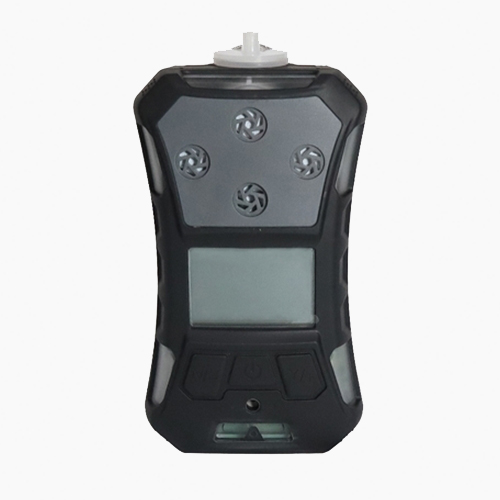
ATO Explosion-Proof Gas Detectors provide continuous, real-time monitoring of hazardous gases in industrial and commercial environments. The clear, easy-to-read display shows current gas levels, while sound, light, and vibration alarms alert operators immediately if dangerous concentrations are detected. Rugged and portable, these detectors are built to perform reliably even in harsh, high-risk conditions.
Core Functions of ATO Explosion-Proof Gas Detectors
- Explosion-Proof Design: ATEX and CE certified, IP65–IP67 protection prevents ignition in hazardous zones.
- Multi-Gas Detection: Measures CO, H2S, O2, LEL, and VOCs simultaneously.
- High-Performance Sensors: Fast, accurate detection with long sensor life, minimizing downtime.
- Integrated Alarms: Audible, visual, and vibration alerts ensure operators are immediately notified.
- Portable & Ergonomic: Lightweight, compact design for easy carrying and comfortable use.
- User-Friendly Interface: Multi-language display, automatic screen rotation, one-click data export, and customizable ID for easy management.
Frequently Asked Questions (FAQs)
Q1: How often should I calibrate or maintain my explosion-proof gas detector?
A: Explosion-proof gas detectors generally require calibration every six to twelve months, depending on gas type, sensor technology, and usage conditions, and regular maintenance, including checking sensors, battery status, and alarm functions, is essential to ensure accurate gas detection and reliable operation in hazardous environments.
Q2. Can explosion-proof gas detectors be used in confined spaces?
A: Yes, portable multi-gas detectors are specifically designed for use in confined spaces, providing real-time monitoring of flammable gases, toxic gases, and oxygen levels to ensure worker safety in restricted or enclosed environments.
Q3. How do I ensure my detector is suitable for my hazardous location?
A: To ensure suitability for your hazardous location, you should verify that the detector has the appropriate explosion-proof certifications, such as ATEX, IECEx, UL, FM, or CSA, confirm the hazardous zone rating (Class I/II/III or Zone 0/1/2), check gas group compatibility and temperature class, and ensure compliance with regional regulations relevant to your facility.
Q4. Can explosion-proof gas detectors be used in extreme environments?
A: Yes, explosion-proof gas detectors with high IP ratings (IP65–IP68) and rugged, corrosion-resistant housings are suitable for harsh industrial environments, including conditions with high temperature, dust, humidity, and vibration, maintaining accurate gas detection and reliable performance even under extreme operating conditions.
