
Pool Pump
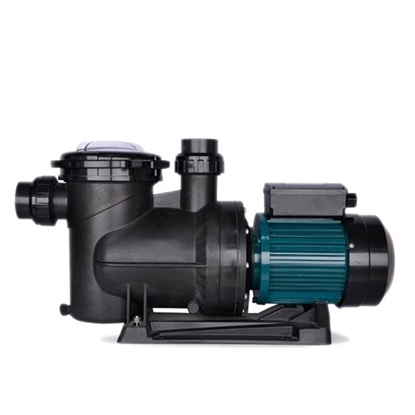
0.5 HP Pool Pump, 220V / 380V
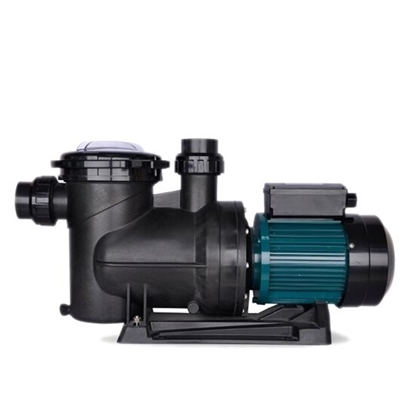
0.75 HP Pool Pump, 220V / 380V
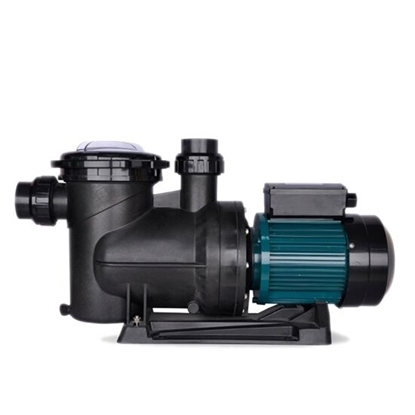
1 HP Pool Pump, 220V / 380V
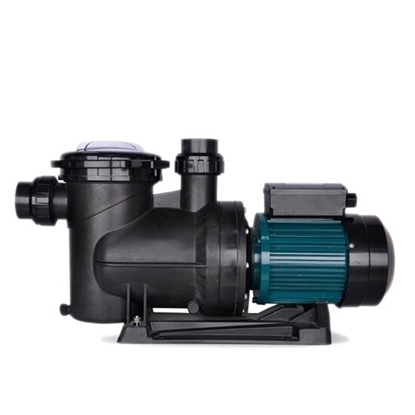
1.5 HP Pool Pump, 220V / 380V
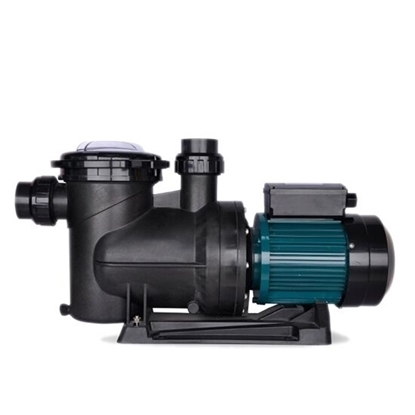
2 HP Pool Pump, 220V / 380V
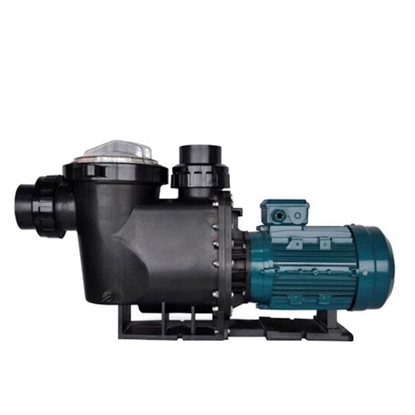
4 HP Pool Pump, 220V / 380V
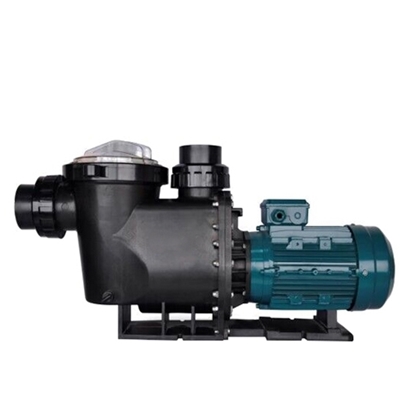
5.5 HP Pool Pump, 220V / 380V
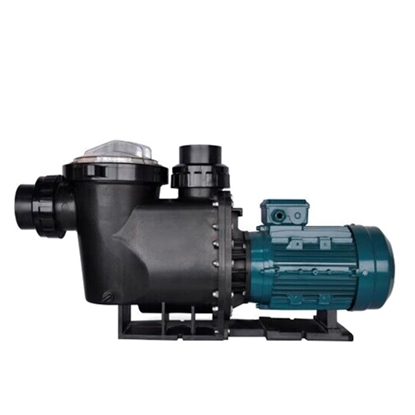
7.5 HP Pool Pump, 220V / 380V
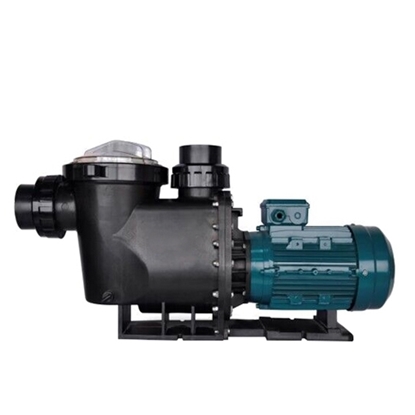
10 HP Pool Pump, 220V / 380V

15 HP Pool Pump, 380V
A pool pump is a water circulation pump designed to circulate water through swimming pool filtration systems. It helps maintain continuous water movement, improves filtration efficiency and supports cleaner pool water conditions. Swimming pool pumps are selected based on factors such as pool size, flow rate, pump head, motor power and operating environment. They are widely used in residential pools, commercial pools, water parks and other water circulation applications.
Pool Pump Features
A reliable swimming pool pump should provide stable circulation performance and long-term operating reliability. Common features of pool pumps include:
1. Efficient Water Circulation
Pool pumps provide continuous water movement for filtration systems and water treatment equipment. Proper circulation helps maintain consistent water quality and improves the overall performance of the pool system.
2. Different Power Options
Pool pumps are available in various horsepower ratings to match different pool sizes and circulation requirements. Lower-power models are commonly used for residential pools, while higher-power pumps are suitable for larger swimming pools and commercial water systems.
3. Durable Construction
Because pool pumps operate in wet environments, durable materials and protective structures are important for maintaining reliable performance during long-term use.
4. Easy Maintenance
Pool pumps often include filter baskets or removable covers that allow users to clean debris and inspect internal components more conveniently.
How Does a Pool Pump Work?
A pool pump uses an electric motor to rotate an impeller, which generates centrifugal force to move water through the circulation system. The pump draws water from the pool, sends it through filtration or treatment equipment, and returns the processed water back into the pool. The main performance factors of a pool pump are flow rate and pump head. Flow rate indicates how much water the pump can circulate, while pump head represents the pump’s ability to overcome resistance caused by pipes, filters and elevation differences.
How to Choose a Pool Pump?
Choosing the right swimming pool pump depends on several key factors:
- Flow Rate: Flow rate determines the amount of water a pump can circulate within a specific time. A suitable flow rate helps ensure effective filtration and water movement according to the pool size and circulation requirements.
- Pump Head: Pump head refers to the pump’s ability to overcome resistance within the circulation system. Pipe length, filters, valves and installation conditions can affect the required pump head.
- Motor Power: The horsepower rating determines the pump’s output capability. Selecting suitable motor power helps ensure the pump can meet the required circulation performance.
- Connection Size: The inlet and outlet connection size should match the existing piping system. Choosing a suitable connection size helps ensure proper installation and stable water flow.
- Installation Requirements: Voltage, frequency, water temperature range and working environment should be considered before selecting a pool pump.
What Pool Pumps Does ATO Provide?
1. The ATO pool pump range includes models from 0.5 HP to 2 HP for smaller swimming pool circulation systems, as well as 4 HP to 15 HP high-power models for applications requiring higher flow capacity. Depending on the model, ATO swimming pool pumps provide pump head ratings from 8 m to 22 m and maximum flow rates from 11 m³/h to 110 m³/h, allowing users to select a suitable pump according to circulation requirements and system conditions.
2. ATO swimming pool pumps are equipped with 100% copper wire motors, engineering plastic pump bodies and PPO plastic steel impellers designed for resistance to high temperature and corrosion. The pump structure includes a free-tool filter cover design for easier maintenance, silicone sealing rings to improve sealing performance and anti-rust cast aluminum motor coversfor heat dissipation and motor protection. With different horsepower options, flow capacities and connection sizes, ATO pool pumps can meet various swimming pool and water circulation system requirements.
Where Are Pool Pumps Used?
Pool pumps are widely used in applications where continuous water circulation and filtration are required.
- Residential Swimming Pools: Residential pool pumps provide water circulation for home swimming pool filtration systems. Compact models with suitable flow capacity are commonly selected for smaller pool applications.
- Commercial Swimming Pools: Commercial swimming pools usually require higher circulation capacity due to larger water volumes and longer operating periods. Pool pumps with higher power and flow rates are often used for these systems.
- Water Parks: Water parks require reliable water circulation equipment to handle large water volumes and continuous operation. High-power pool pumps can be used for these larger water systems.
- Aquaculture Systems: Pool pumps can be applied in aquaculture circulation systems where stable water movement and circulation are required.
- Water Engineering Projects: Pool pumps are also suitable for water circulation projects that require continuous water transfer through pipelines, filters and treatment equipment.
Frequently Asked Questions About Pool Pumps
Q: What Size Pool Pump Do I Need?
A: The required pool pump size depends on pool volume, circulation requirements, filtration system design, pipe resistance and pump head. The correct model should be selected according to the complete water circulation system.
Q: What Is Pump Head?
A: Pump head indicates the ability of a pump to move water against resistance. It considers factors such as pipe friction, filters, valves and elevation differences in the circulation system.
Q: How Long Does a Pool Pump Last?
A: The service life of a pool pump depends on operating conditions, installation quality, maintenance frequency and component durability. Regular inspection and proper maintenance can help maintain reliable performance.
Q: How Do I Maintain a Pool Pump?
A: Regular maintenance includes checking electrical connections, cleaning filter components, inspecting sealing parts and ensuring the pump operates under suitable conditions.
