
Lobe Pump
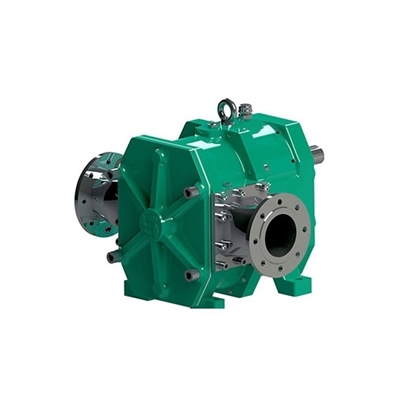
1 kW Rotary Lobe Pump

3 kW Rotary Lobe Pump
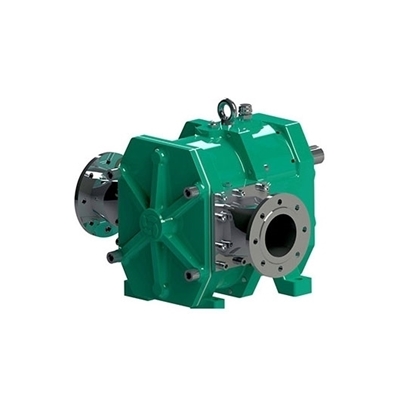
4 kW Rotary Lobe Pump
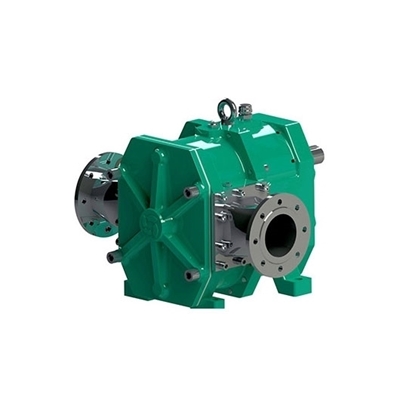
5.5 kW Rotary Lobe Pump
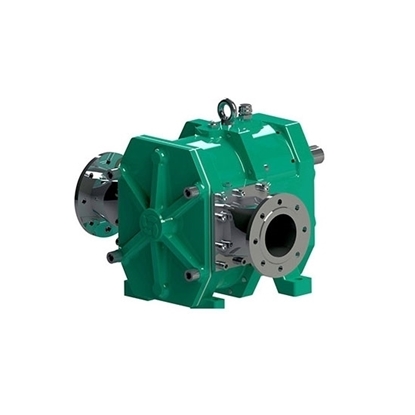
10 kW Rotary Lobe Pump
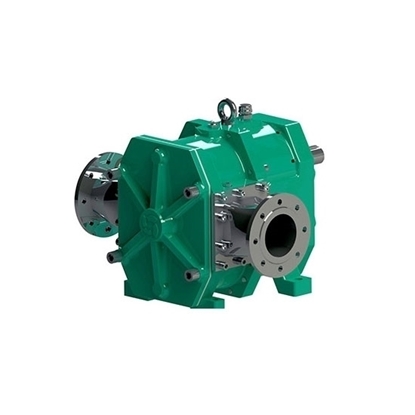
15 kW Rotary Lobe Pump
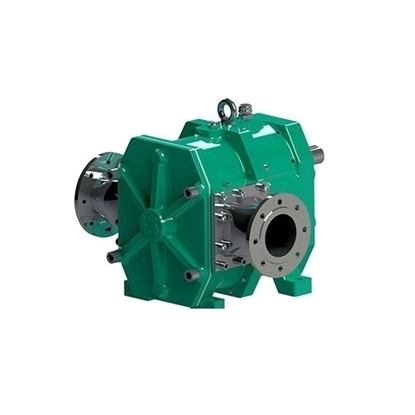
18.5 kW Rotary Lobe Pump
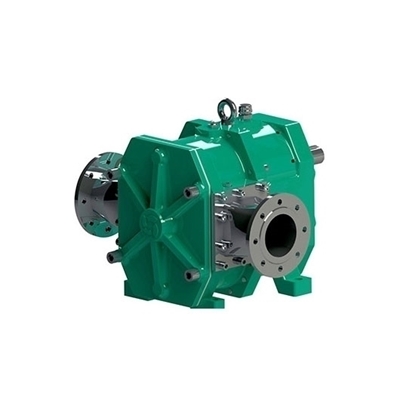
30 kW Rotary Lobe Pump
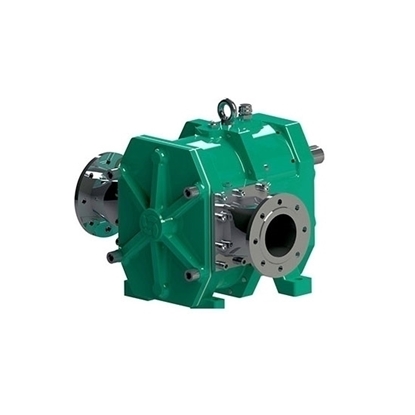
45 kW Rotary Lobe Pump
A rotary lobe pump is a positive displacement pump used to transfer liquids, viscous fluids, sludge, wastewater, and particle-containing media with stable flow, low shear force, and strong self-priming capability. It is commonly used in wastewater treatment, chemical processing, oil transfer, building materials, and industrial fluid conveying systems. Different power and flow ranges are available to meet various industrial transfer requirements.
ATO provides industrial rotary lobe pumps with different power and flow ranges, including 1kW, 3kW, 5.5kW, 10kW, 15kW, 18.5kW, 30kW and 45kW models. The pumps feature strong self-priming capability, wear-resistant construction, reversible conveying direction, and compatibility with a wide range of media. They are widely used for wastewater treatment, sludge transfer, chemical processing, oil transfer and other industrial fluid handling applications.
Rotary Lobe Pump Working Principle
A rotary lobe pump uses two synchronized rotors driven by gears to rotate in opposite directions inside the pump chamber. The rotating lobes create sealed cavities between the rotor and casing, continuously transferring the medium from the inlet to the outlet with low shear force and stable flow.
What are the features of rotary lobe pumps?
Compared with other positive displacement pumps, rotary lobe pumps offer several key features for reliable fluid transfer:
- Strong Self-Priming Capability: Rotary lobe pumps provide strong self-priming performance, making them suitable for applications requiring reliable suction and flexible installation conditions.
- Low Shear and Gentle Conveying: The lobe rotor design minimizes squeezing and shearing of the medium during transfer, making these pumps suitable for sensitive, viscous and particle-containing fluids.
- Excellent Particle Handling: Rotary lobe pumps can transfer fluids containing solids, sludge and impurities with strong impurity passing capability and reduced risk of blockage.
- Wide Viscosity Range: Rotary lobe pumps can handle media ranging from low-viscosity liquids to high-viscosity materials, supporting various industrial fluid transfer applications.
How to select the right rotary lobe pump for your application?
- Check the Medium: Select a rotary lobe pump according to the characteristics of the conveyed liquid. For sludge, sewage, slurry or high-viscosity fluids containing particles, choose a pump with strong wear resistance and impurity handling capability. Rotary lobe pumps are designed for complex media requiring gentle conveying and low shear force.
- Confirm the Flow Rate and Pressure: The required flow rate and outlet pressure determine the suitable pump size and power. ATO rotary lobe pumps are available in different models covering various flow ranges to meet both small-scale transfer and high-capacity industrial pumping requirements.
- Consider Self-Priming Requirements: If the pump needs to operate under suction conditions or replace a submersible pump, select a rotary lobe pump with strong self-priming performance. ATO lobe pumps can achieve a suction stroke of approximately 8.5–9.5 m.
- Match the Operating Speed: Different media require different operating speeds. For thicker media such as dry sludge, lower speeds are generally recommended, while clear water, sewage and dilute sludge applications can operate at relatively higher speeds.
- Select the Right Pump Material and Configuration: For abrasive or special media, choose suitable rotor and sealing configurations. ATO rotary lobe pumps support different rotor options and customized configurations for various working conditions.
What industries are rotary lobe pumps used in?
Rotary lobe pumps are widely used in industries that require reliable transfer of viscous, abrasive or particle-containing fluids. Their core applications per industry are briefly summarized below:
- Environmental Technology Industry: Used for sewage transfer, sludge handling, wastewater treatment, dewatering equipment feeding and other processes involving fluids containing solids or impurities, providing stable conveying performance.
- Chemical Industry: Used for transferring acids, caustics, solvents, emulsions, latex, paints, coatings and other chemical fluids, especially where gentle handling and material compatibility are required.
- Oil Industry: Used for conveying oil, oil sludge, heavy oil, fuel oil, diesel, kerosene and water-oil mixtures, supporting the transfer of various petroleum-based media.
- Building Industry: Used for transporting mineral sludge, cement slurry, bentonite, drilling mud, lime slurry and other high-viscosity construction materials.
- Paper and Pulp Industry: Used for transferring paper stock, coatings, chemicals, wastewater, sewage, kaolin suspensions and other process fluids, helping maintain continuous production processes.


