
Vibration Transmitters
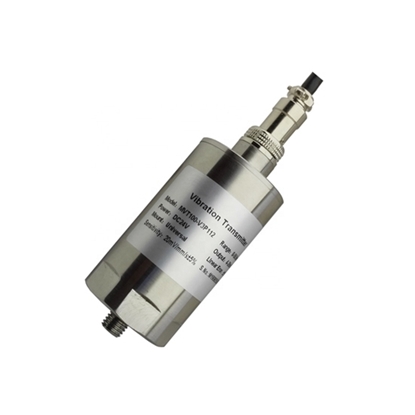
Vibration Transmitter 4-20 mA, 2-wire/3-wire
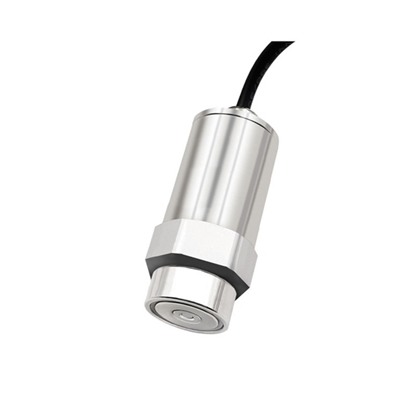
Industrial Vibration Sensor, RS485/4-20mA/0-5V/0-10V
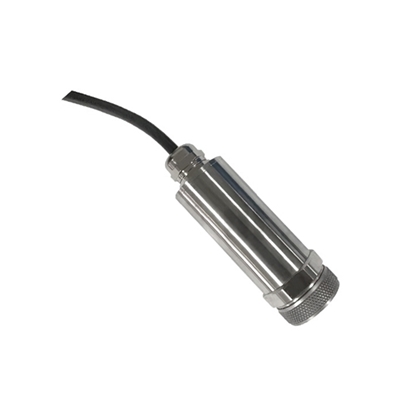
Accelerometer Vibration Sensor, RS485 Output, 0-50mm/s
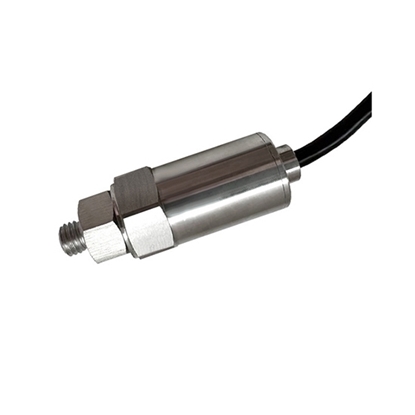
Accelerometer and Vibration Sensor, 4-20mA Output, 0-20mm/s
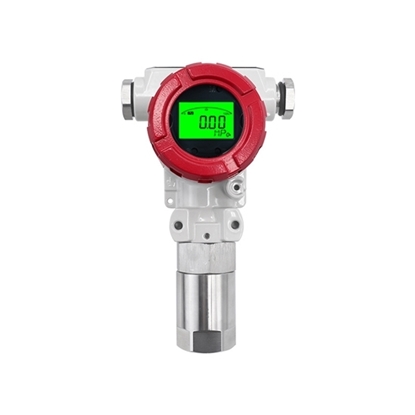
Explosion Proof Digital Vibration Transmitter, LCD Display
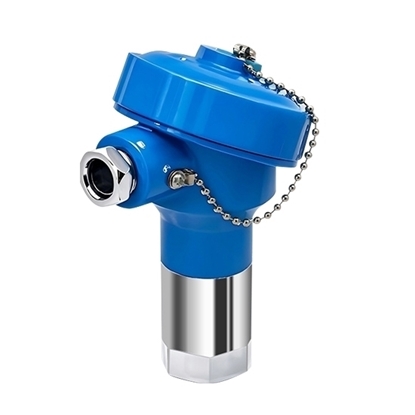
Explosion Proof Vibration Transmitter, 4-20 mA/0-10V/RS485
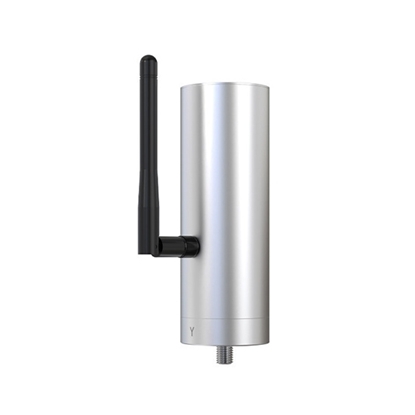
Wireless Vibration Sensor, LoRa/WiFi, 1 Axis/3 Axis
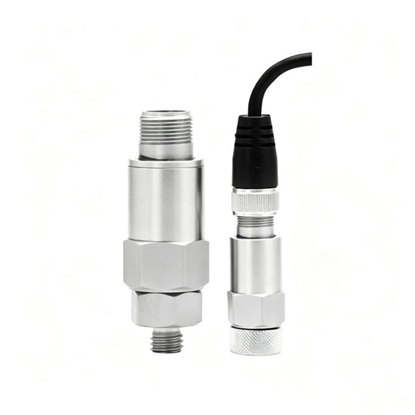
Piezoelectric Vibration Sensor, RS485/4-20mA
A vibration transmitter is an integrated device that combines a vibration sensing element with a signal conditioning circuit. Unlike a traditional vibration sensor that outputs a raw signal requiring additional processing, a vibration transmitter converts the measured vibration into a standardized output that can be connected directly to industrial automation systems.
Vibration transmitters are commonly used for online monitoring of motors, pumps, fans, compressors, gearboxes, turbines, and other rotating machinery. Depending on the application, they can measure vibration velocity, acceleration, or displacement to provide accurate information about machine operating conditions.
How Does a Vibration Transmitter Work?
A vibration transmitter detects mechanical vibration using an internal sensing element, typically based on piezoelectric or MEMS technology. The measured vibration signal is amplified, filtered, and converted into a standardized electrical output through the built-in signal conditioning circuit.
The output signal is then transmitted to monitoring systems for continuous analysis, alarming, trending, or predictive maintenance. When abnormal vibration exceeds preset thresholds, maintenance personnel can identify potential issues such as bearing wear, shaft misalignment, imbalance, looseness, or mechanical damage before serious failures occur.
Types & Selection Guide
Choosing the right vibration transmitter depends on the machine type, monitoring objectives, and system requirements. Understanding the different measurement methods, output signals, and installation options helps ensure accurate vibration monitoring and seamless integration with your control system.
Measurement Parameter
Select the vibration parameter according to the type of equipment and the faults you want to detect.
1. Vibration Velocity Transmitters: Ideal for monitoring the overall condition of motors, pumps, fans, compressors, and other rotating machinery. Velocity is the most commonly used parameter for general machine condition monitoring.
2. Vibration Acceleration Transmitters: Best suited for detecting high-frequency faults, including bearing damage, gear wear, and impact-related issues.
3. Vibration Displacement Transmitters: Designed for measuring shaft movement and low-frequency vibration in large rotating equipment such as turbines, generators, and compressors.
Output Signal
Choose an output signal that is compatible with your monitoring and automation system.
1. 4–20mA Output: The industry-standard analog signal for PLC, DCS, and process control systems, offering reliable long-distance transmission.
2. 0–10V Output: Suitable for controllers and monitoring devices that use voltage-based analog inputs.
3. RS485 Modbus RTU: Enables digital communication, multi-device networking, and easy integration into industrial automation systems.
4. Wireless LoRa: Provides long-range, low-power wireless communication for remote equipment monitoring where cable installation is difficult.
5. WiFi: Supports real-time wireless data transmission over local networks, simplifying installation and remote monitoring.
Installation Method
Selecting the appropriate mounting method helps improve measurement accuracy and long-term reliability.
1. Thread Mounting: Provides a secure, permanent connection with excellent signal transmission, making it the preferred choice for continuous vibration monitoring.
2. Magnetic Mounting: Allows fast installation and removal without modifying the equipment, making it ideal for portable measurements or temporary monitoring.
Installation and Maintenance Tips
1. Install the vibration transmitter on a rigid, clean mounting surface.
2. Ensure secure mechanical contact between the vibration transmitter and equipment.
3. Keep signal cables away from high-voltage power lines to minimize electrical interference.
4. Verify output signals after installation.
5. Periodically inspect mounting hardware and cable connections.
6. Clean the vibration sensor surface regularly to prevent dust or debris from affecting performance.
7. Check calibration periodically for applications requiring high measurement accuracy.
Typical Applications
Vibration transmitters are widely used to monitor the condition of rotating machinery and support predictive maintenance. They are commonly installed on motors, pumps, fans, blowers, compressors, gearboxes, turbines, and generators to detect vibration abnormalities and help prevent unexpected equipment failures. These transmitters are widely applied in industries such as manufacturing, mining, petrochemical, power generation, and water treatment, improving equipment reliability, reducing downtime, and lowering maintenance costs.
Conclusion
ATO vibration transmitters are designed to deliver accurate, stable, and reliable vibration monitoring for industrial condition monitoring systems. Available in vibration velocity, acceleration, and displacement models with multiple output options, including 4–20mA, 0–10V, RS485 Modbus, LoRa, and WiFi, they can be easily integrated into a wide range of automation systems. With flexible mounting options, durable construction, and dependable performance, ATO vibration transmitters provide an efficient solution for precise vibration measurement and long-term operation.
Filter by:
Clear All

