
- Home
-
Motors
-
Motor Controls
- Power Supplies
-
Passive Components
- Back
- Capacitors
- Circuit Breakers
- Connectors
-
Resistor
- Back
- Metal Film Resistor
- Contactors
- Current Transformer
- DIP Switch
- Electronic Ballast
- Filters
- Float Valves
- Foot Switch
- Forward Reverse Switch
- Fuse
- Hook-Up Wire
- Indicator Light
- Isolator Switch
- Junction Box
- Joystick Switch
- Knife Switch
- LED Machine Light
- Laser Module
- Locking Plugs
- Low Noise Amplifiers
- Magnetic Starter
- Micro Switch
- Over Voltage Protector
- PV Combiner Box
-
Potentiometer
- Back
- Rotary Potentiometer
- Potential Transformer
- Pressure Switch
- Push Button
- Rectifier
- Relays
- RF Attenuators
- Rocker Switch
- Rotary Switch
- Surge Protection Devices
- Tact Switch
- Terminal Block
- Timer Switch
- Toggle Switch
- Transfer Switches
-
Sensors
- Back
- Accelerometer Sensor
- Angle Sensor
- Air Quality Sensor
- Color Sensor
- Compass Sensor
- Conductivity Sensor
- Current Sensor
- Dew Point Sensor
- Displacement Sensor
- Encoder
- Fiber Sensor
- Flow Switch & Sensor
- Float Switch
- Gyroscope Sensor
-
Gas Sensor
- Back
- CO Sensor
- CO2 Sensor
- O2 Sensor
- IMU Sensor
- Inclinometer Sensor
- Ion Selective Electrode
- Load Cell
- Load Cell Transmitter
- Load Cell Module
- Level Sensor
- Laser Sensor
- Limit Switch
- Light Curtain
- Label Sensor
- Magnetic Cylinder Sensor
- Noise Sensor
- Power Transducer
- Proximity Sensor
- pH Electrode
- Pressure Sensor
- PM Sensor
- Presence Sensor
- Photoelectric Sensor
- Radiation Sensor
- Reference Electrode
- Rain Sensor
- Signal Isolator
- Safety Switch
- Strain Gauge
- Speed Sensor
-
Soil Sensor
- Back
- Soil Moisture Sensor
- Temperature Sensor
- Temperature and Humidity Sensor
- Torque Sensor
- Ultrasonic Sensor
- Voltage Sensor
- Vibration Transmitters
- Water Leakage Sensor
- Water Quality Sensor
- Wind Sensor
-
Test & Measurement
- Back
- Anemometer
- Air Quality Monitor
- Battery Indicator
- Clamp Meter
- Crane Scale
- Colorimeter
- Current Transformer Tester
- Conductivity Meter
- Digital Panel Meter
- Digital Counter
- Digital Readout
- Dew Point Meter
- Digital Inclinometer
- Digital Torque Adapters
- Density Meter
- Distance Meter
- Dynamometer
- Digital Tachometer
- Digital Indicator
- Dielectric Oil Tester
- Diameter Gauge
- Energy Meter
- Earth Resistance Tester
- Electronic Analytical Balance
- Electronic Load
- Electronic Compass
- Flow Meters
- Function Generator
- Force Gauge
- Feeler Gauges
- Gas Detectors
- Gloss Meter
- Gauss Meter
- Hour Meter
- Hipot Tester
- Hardness Tester
- Height Gauges
- Handheld Ultrasonic Homogenizer
- Infrared Thermometers
- Insulation Tester
- Linear Scale
- LCR Meter
- Laser Levels
- Lux Meter
- Land Meter
- Moisture Meter
- Multimeter
- Metal Detector
- Measuring Wheel
- Micrometers
- Measuring Tapes
- Nuclear Radiation Detector
- Network Cable Tester
- Oscilloscopes
- Optical Time Domain Reflectometer
- Oil Tank Gauge Tape
- pH Meter
- Paperless Recorder
- Pressure Gauge
- Particle Counter
- Power Meter
- Power Meter Plug
- Protractor
- Pipe Blockage Detector
- Particle Size Analyzer
- Relay Tester
- Refractometer
- Rebound Hammer
- Rebar Scanner
- Spectrophotometers
- Sound Level Meter
- Smoke Detector
- Solar Power Meter
- Surface Roughness Tester
- Signal Generator
- Stud Finder
- Temperature Controller
- Temperature Data Logger
- Thickness Gauge
- Tension Meters
- Turbidity Meter
- USB Tester
- Viscometer
- Vibration Meter
- Vernier Caliper
- Volt Amp Meter
- Water Quality Tester
- Water Leakage Detectors
- Weighing Indicator
-
Transmission & Actuator
- Back
- Air Filters
- Air Hose Fittings
- Angle Seat Valves
- Ball Valves
- Bearings
- Brakes and Clutches
- Butterfly Valves
- Check Valves
- Control Valves
- Diaphragm Valves
- Door Opener
- Drag Chain
- Expansion Joints
- Filling Valve
- FRL Unit
- Gate Valves
- Gearbox
- Globe Valves
- Hand Valves
- Hydraulic Accumulators
- Hydraulic Actuator
- Hydraulic Cylinders
- Linear Actuators
- Linear Rail
- Linear Slide
- Needle Valves
- Pinch Valves
- Plug Valves
- Plunger Valves
- Pneumatic Cylinders
- Pneumatic Foot Pedal
- Pressure Regulator
- Pressure Relief Valves
- Pulse Valves
- Quick Connector
- Quick Exhaust Valves
- Shaft Coupling
- Shuttle Valves
- Slip Ring
- Solenoid Valves
- Steam Traps
- Strainers
- Torque Limiters
- Universal Couplings
- Vacuum Generator
- Valve Actuators
- Vent Plug
-
Pumps
- Back
- Aerator Pump
- Booster Pump
- Bilge Pump
- Centrifugal Pump
-
Dosing Pump
- Back
- Chemical Dosing Pump
- Diaphragm Pump
- Fire Pump
- Gear Pump
- Hydraulic Pump
- Hot Oil Pump
- Lobe Pump
- Lubrication Pump
- Magnetic Drive Pump
- Mud Pump
- Peristaltic Pump
- Piston Pump
- Pool Pump
- Rotary Hand Pump
- Screw Pump
- Self Priming Pump
- Sewage Pump
- Sliding Vane Pump
- Vacuum Pump
- Well Pump
- Wing Pump
-
Tools
- Back
- Alarm & Siren
- Beam Trolley
- Beam Clamp
- Blower
- Centrifuge Machine
- Circular Saws
- Cable Cutter
- Crimping Tool
- DC Cooling Fan
- Desoldering Tool
- Endoscope
- Electric Pressure Washer
- Foam Cutter
- Flange Spreader
- Flashlight
- Generator
- Glass Lined Reactor
- Heat Exchanger
- Hydraulic Punch
- Hoist
- Heat Gun
- Hydraulic Puller
- Hydrothermal Synthesis Reactor
- Impact Wrenches
- Inkjet Printer
- Jack
- Lifting Hook
- Labour Protection Appliance
- Magnetic Stirrer
- Magnetic Sweepers
- Night Vision Goggles
- Portable LED Work Light
- Pipettes
- Pneumatic Screw Driver
- Plate Clamp
- Pneumatic Drill
- Pipe Bender
- Rubber Sheets
- Reciprocating Saw
- Rebar Tool
- Rotary Evaporator
- Sander
- Screw Feeder
- Soldering Tool
- Safety Mat
- Snatch Block
- Spring Balancer
- Strapping Tool
- Wire Stripper
- Winch
-
Communication & Controller
-
Industrial Equipment
- Back
- Air Compressors
- Chamfering Machines
- CNC Router Machine
- Dryer
- Dehumidifier
- Fume Extractor
- Fan Heater
- Industrial Cameras
- Industrial Vacuum Cleaner
-
Laser Machines
- Back
- Laser Marker
- Oil Mist Eliminators
- SCARA Robot
- Static Eliminator
- Steam Autoclave Sterilizer
- Tool Setter
- Ultrasonic Cleaner
- Water Chiller
- Welding Machine
- Water Purification System
- Technical Support
- How To Buy
- Contact
- Chat
- ATO /
- Tools /
- Desoldering Tool /
- Desoldering Pump
Desoldering Pump
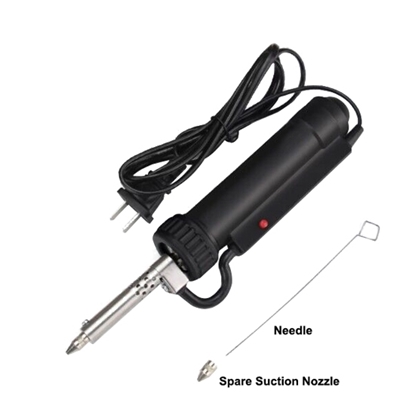
30W Electric Desoldering Pump, 32mm
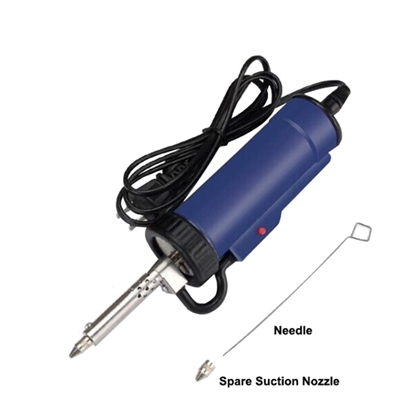
30W Electric Desoldering Pump, 42mm
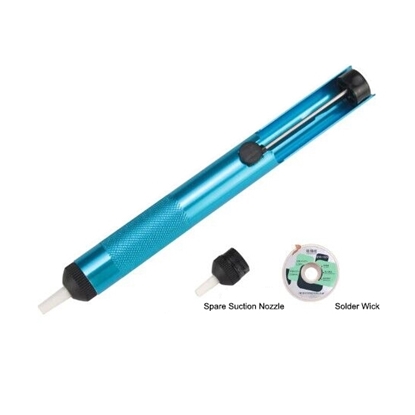
Aluminum Manual Desoldering Vacuum Pump
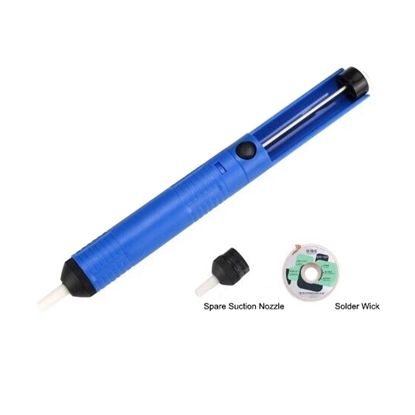
Plastic Manual Desoldering Vacuum Pump
A desoldering pump is a common tool for electronics repair, especially for removing through-hole components and correcting soldering mistakes on PCBs. It is commonly used in the process of desoldering, which involves removing or replacing soldered components during electronics repair or rework.
Desoldering pumps are widely used in electronics repair, PCB manufacturing, automotive electronics, aerospace maintenance, and educational laboratories. ATO desoldering pumps provide a quick and efficient way to remove solder without damaging the surrounding components or circuit traces.
What is the difference between consumer-grade and industrial-grade desoldering pumps?
The main difference between consumer and industrial desoldering pumps is durability, suction consistency, and suitability for frequent use.
| Feature | Consumer Grade | Industrial Grade |
| Material | Basic plastic or aluminum | Reinforced construction |
| Usage | Occasional repair | Frequent professional repair |
| Suction Stability | Suitable for simple jobs | More consistent performance |
| Maintenance | More frequent cleaning needed | Designed for long-term use |
| Application | Hobby and DIY | Repair shops and production |
Choose based on repair frequency rather than price alone.
What size desoldering pump nozzle is best for electronics repair?
A 1.2 mm nozzle is a common choice for general electronics repair, while smaller or larger sizes are selected for different solder joints.
| Nozzle Size | Application |
| Small nozzle | Small pins and precision work |
| Medium nozzle (around 1.2 mm) | General PCB repair |
| Large nozzle | Large connectors and heavy solder joints |
Choose a nozzle size based on the component lead diameter and solder amount.
How to distinguish high-quality desoldering pumps from low-quality counterfeits?
A high-quality desoldering pump usually has better suction consistency, stronger materials, and smoother operation compared with low-quality products.
| Check Point | High-Quality Product | Low-Quality Product |
| Body Material | Solid aluminum or durable plastic | Thin plastic construction |
| Plunger Movement | Smooth and stable | Sticking or uneven movement |
| Seal Performance | Maintains strong vacuum | Weak or inconsistent suction |
| Nozzle | Heat-resistant material | Easily damaged by heat |
| Maintenance | Easy to disassemble and clean | Difficult to service |
A reliable desoldering pump should maintain stable performance after repeated use.
What are common mistakes when using a desoldering pump?
Most desoldering problems happen because the solder is not fully melted or the tool is used incorrectly.
Common mistakes include:
- Triggering suction before the solder completely melts
- Pressing the nozzle too hard against the PCB
- Using an incorrect nozzle size
- Heating the PCB for too long
- Not cleaning solder residue inside the pump
Tip: Heat the solder joint completely first, then activate the suction for better results.
FAQs
Q1: Is an electric desoldering pump worth buying compared to a manual one?
A1: Manual pumps are affordable and portable for occasional DIY repairs. Electric pumps deliver consistent, hands-free suction ideal for high-frequency repair work and factory PCB rework. Choose electric if you desolder more than 20 joints per day.
Q2: Are aluminum body desoldering pumps better than plastic ones?
A2: Aluminum body desoldering pumps are usually more durable and stable than plastic models, making them better suited for frequent PCB repair. Plastic pumps are lighter and more affordable, so they can be a practical choice for occasional DIY electronics work.
Q3: Can a desoldering pump damage circuit boards?
A3: When used correctly, desoldering pumps will not damage PCBs. The main risk comes from applying excessive mechanical force or holding heat too long — always melt solder fully before suction and avoid prying against pads.
- +1 800-585-1519 (Toll-free)
- sales(at)ato.com
- Global Shipping
