
Flow Switch
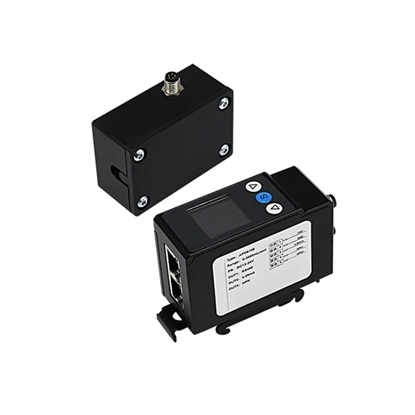
Clamp-on Ultrasonic Flow Sensor, 0-3000ml/min, RS485/4-20mA
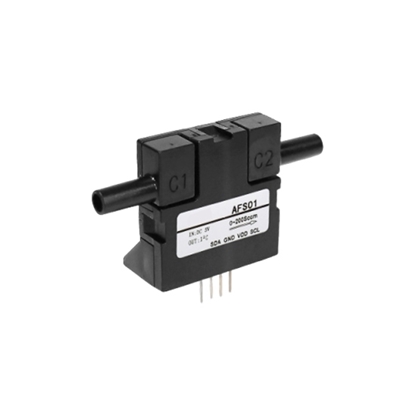
Micro Flow Sensor for Air/Oxygen/Nitrogen, 0~±0.2L/min
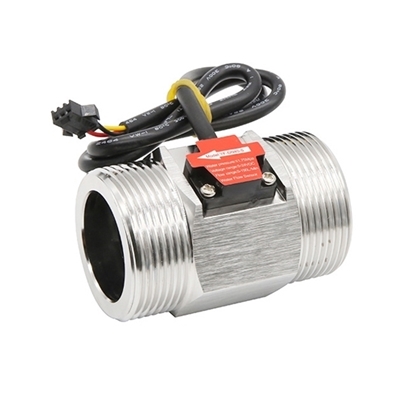
Stainless Steel Hall Effect Flow Sensor, DN40S, 5-150L/min
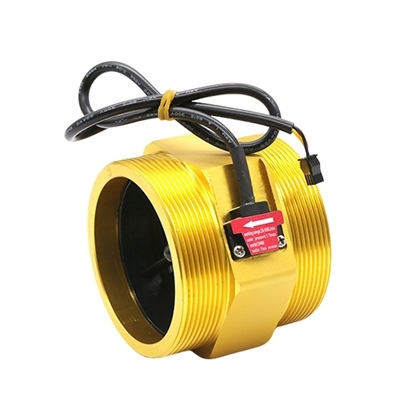
Turbine Water Flow Sensor, 3 Inch (DN80), 20-500L/min
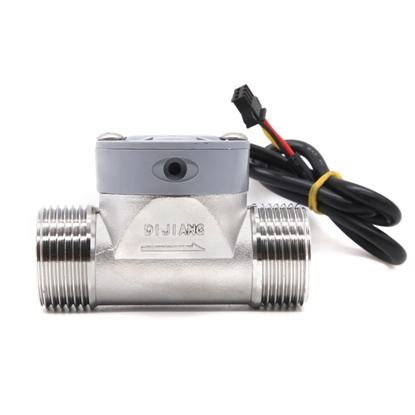
Electronic Water Flow Sensor, Stainless Steel, DN15-DN50
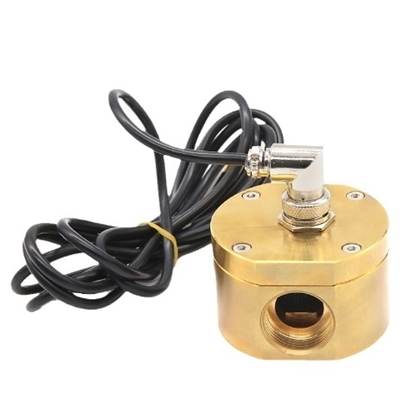
Brass Oval Gear Flow Sensor, DN20, 30-3000L/h

Oval Gear Flow Sensor, Hall Effect, DN8/DN10/DN15
ATO flow switch is a flow detection device used to monitor the presence, absence, or change of liquid or gas flow inside a pipeline. It is defined as an automatic control component that converts flow conditions into electrical switching signals when a preset flow threshold is reached. It is widely used in industrial systems to provide reliable flow status detection and control signals for system monitoring, protection, and automation processes involving various types of fluids.
Key Features of Flow Switch
Multiple sensing technologies: Includes thermal dispersion, magnetic, digital, vortex, ultrasonic, gear, and Hall effect technologies for different flow monitoring requirements.
Wide media compatibility: Suitable for air, gas, water, oil, and various industrial liquids in different operating environments.
Wide flow range: Supports micro flow, low flow, and high flow measurement applications across industrial systems.
Multiple output options: Available with relay, PNP/NPN, pulse, RS485, and 4–20mA outputs for automation and control systems.
Flexible installation types: Supports threaded, inline, and clamp-on installation with multiple connection standards and pipe sizes.
Industrial automation ready: Designed for flow monitoring, process control, pump protection, and industrial automation applications.
Stable operation: Provides reliable performance, high repeatability, and long-term operational stability.
Main Types of Flow Switch
Magnetic Flow Switches
Magnetic flow switches are flow detection devices that use magnetic field changes caused by fluid movement to determine whether flow is present. They are defined by their ability to provide simple on/off switching for liquid flow monitoring in pipeline systems.
Digital Flow Switches
Digital flow switches are electronic flow detection devices that integrate sensing and signal processing functions to convert flow changes into stable digital output signals. They are defined as automation-ready devices designed for real-time flow monitoring and control.
Vortex Flow Sensors
Vortex flow sensors are flow measurement devices that operate based on the vortex shedding principle, where alternating vortices are generated by fluid passing a bluff body. They are defined by their ability to measure flow rate through vortex frequency proportional to flow velocity.
Gear & Oval Gear Flow Sensors
Gear and oval gear flow sensors are volumetric flow measurement devices that use precision rotating gears driven by fluid movement to calculate flow. They are defined by their ability to measure flow based on mechanical displacement with high accuracy and repeatability.
Ultrasonic Flow Sensors
Ultrasonic flow sensors are non-invasive flow measurement devices that use ultrasonic wave transmission to determine flow rate. They are defined by their ability to calculate flow based on time difference or frequency shift of sound waves through the pipe.
Hall Effect Flow Sensors
Hall effect flow sensors are flow detection devices that use magnetic pulse signals generated by internal moving components to measure flow. They are defined by their ability to convert pulse frequency into accurate volumetric flow data.
If you want to know more about flow switch, please click this video.
Water Flow Switch Working Principle
When water flows through the switch and reaches the preset flow rate, the internal magnetic core moves with the water flow and triggers the magnetic sensor to output an “ON” signal. This signal is sent to the control system for flow monitoring or equipment control. When the water flow drops below the preset value, the magnetic core returns to its original position under spring force, and the switch outputs an “OFF” signal to stop or protect the system.
Thermal Dispersion Flow Switch Working Principle
Thermal dispersion flow switches work based on the heat transfer principle. One sensor is heated while another sensor measures the medium temperature. When fluid flows through the pipe, the moving medium carries away heat from the heated sensor. The change in temperature difference between the two sensors is converted into an electrical signal, which is processed and output as a switching or analog signal. The greater the flow rate, the more heat is removed, allowing the switch to detect and monitor flow conditions accurately.
Applications of Flow Switch
Industrial automation systems: Used for flow monitoring, process control, and equipment protection in automated machinery and production lines.
Water treatment systems: Applied in water supply, filtration, circulation, and wastewater treatment systems for stable flow control.
Pump protection systems: Detects low-flow or no-flow conditions to prevent dry running and equipment damage.
HVAC systems: Used in heating, ventilation, and air conditioning systems to monitor water and air circulation.
Cooling and lubrication systems: Monitors coolant and lubricant flow in industrial equipment and mechanical systems.
Gas and air flow monitoring: Suitable for airflow and gas flow detection in ventilation systems and industrial gas control applications.
ATO provides a wide range of flow switches and flow sensors designed for reliable flow monitoring and industrial automation applications. With multiple sensing technologies, flexible output options, and compatibility with air, gas, water, oil, and various industrial fluids, flow switches deliver stable performance for different operating environments and control requirements.
Whether used for process control, equipment protection, pump monitoring, or fluid management systems, ATO flow switches offer dependable flow detection solutions with high reliability, flexible installation, and long-term operational stability for modern industrial systems.
