
Hardness Tester
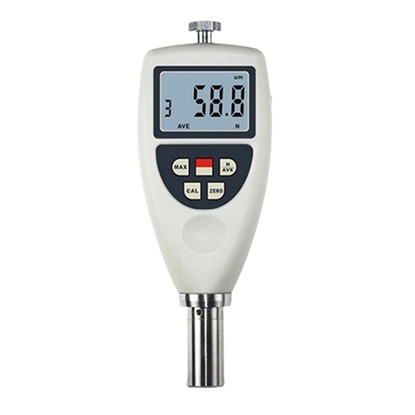
Digital Shore A Hardness Tester, 20 A~90 A, 10~90H
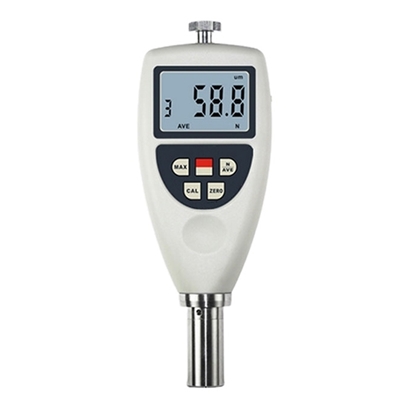
Digital Shore B Hardness Durometer, 90 A~20 D, 10~90H
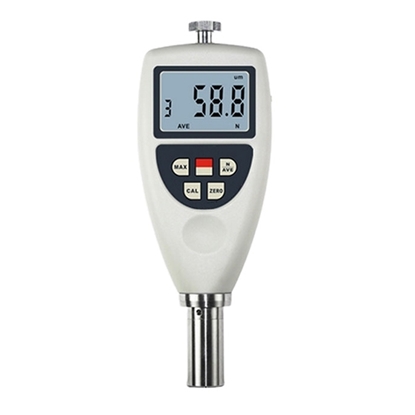
Digital Shore C Hardness Durometer, 90 B~20 D, 10~90H
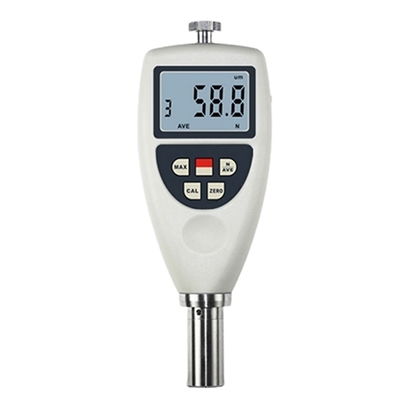
Digital Shore D Hardness Tester, 90 A, 10~90H
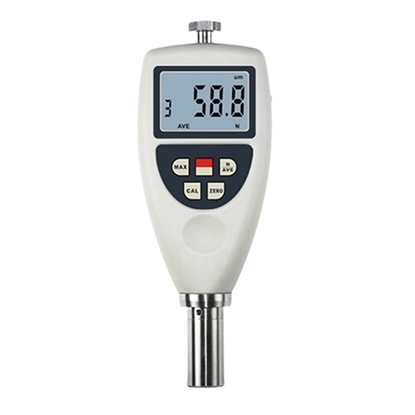
Digital Shore DO Hardness Tester, 90 C~20 D, 10~90H
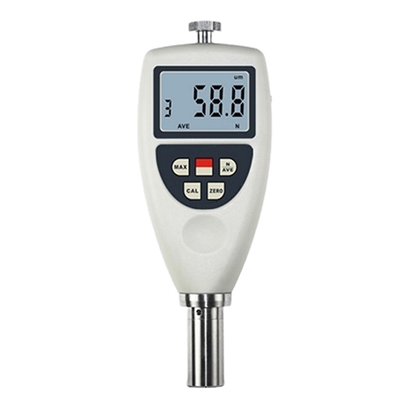
Digital Shore E Hardness Durometer, 90 DO~20 A, 10~90H
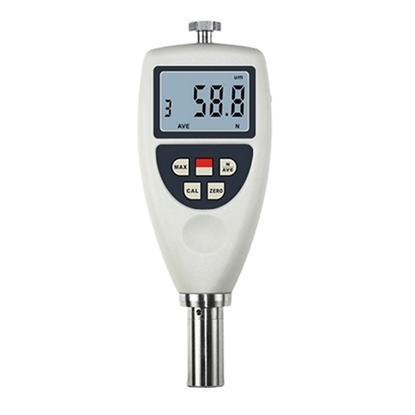
Digital Shore O Hardness Durometer, 20 DO, 10~90H
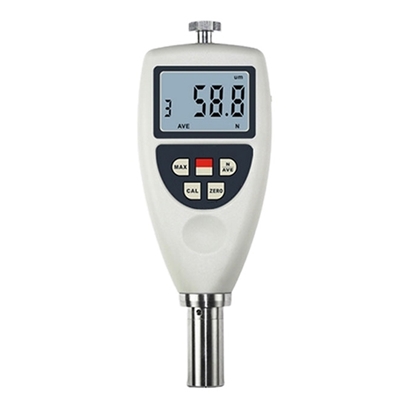
Digital Shore OO Hardness Durometer, 20 O, 10~90H
A hardness tester is an instrument designed to evaluate a material’s resistance to indentation, wear, or deformation. Using a standardized indenter under controlled force, it measures the strength and durability of rubbers, plastics, foams, and composites, providing essential data for quality control, product design, and industrial material selection.
Hardness Testing Methods and ASTM Standards
Hardness testing methods fall into three categories based on material type and load range.
| Method Category | Typical Load Range | Common Scales | Applicable Materials |
| Macro-indentation | ≥ 1 kgf | Brinell, Rockwell, Vickers | Metals, hard plastics |
| Micro-indentation | ≤ 1 kgf | Knoop, Vickers | Thin films, coatings |
| Elastomer/rubber | Spring force (111–4550 gf) | Shore 00, O, A, B, C, D, DO, E, OO | Rubber, plastic, foam, leather, textiles |
ASTM D2240 specifies the requirements for Shore durometers:
- Indenter geometry and dimensions (truncated cone, sharp cone, spherical radius)
- Spring force tolerance: ±0.5% of specified value
- Duration of indentation: 15 seconds recommended
- Minimum specimen thickness: 6 mm for Type A and D; 2 mm for Type OO
Digital vs Analog Hardness Testers
| Feature | Digital Hardness Tester | Analog Hardness Tester |
| Readout | LCD numeric display | Dial and pointer |
| Resolution | 0.1 H | Typically 1 H |
| Reading error | None (direct value) | Parallax and interpolation errors |
| Data output | USB on select models (B, C) | None |
| Battery life | 40+ hours (AAA batteries) | No battery needed |
| Best for | QA documentation, laboratory, production line | Occasional field checks, budget constraints |
Advantages of digital models relevant to the ATO Shore hardness testers lineup:
- ±1H accuracy and 0.1H resolution across all 8 scales
- USB data transmission on Shore B (ATO-SHT-SB9020) and Shore C (ATO-SHT-SC9020) for traceability
- All units are portable (handheld) and battery-powered; no external power is required
Shore Hardness Scales and Model Comparison
| Shore Scale | SKU | Indenter Dimension | Typical Material Examples |
| Shore A | ATO-SHT-SA2090 | 0.79 mm tip | Soft rubber, leather, wax, felt |
| Shore B | ATO-SHT-SB9020 | R0.1 mm | Moderate rubber, paper, fiberboard |
| Shore C | ATO-SHT-SC9020 | 0.79 mm tip | Medium hard rubber, TPE, medium plastics |
| Shore D | ATO-SHT-SD90 | R0.1 mm | Hard rubber, rigid plastics, thermoplastics |
| Shore DO | ATO-SHT-SDO9020 | R1.2 mm | High density textile windings, medium rubber |
| Shore E | ATO-SHT-SE9020 | R2.5 mm | Hard sponge, EVA |
| Shore O | ATO-SHT-SO20 | R1.2 mm | Soft rubber, flexible plastics, medium textile |
| Shore OO | ATO-SHT-SOO20 | R1.2 mm | Foam, sponge, extremely soft rubber |
All models measure 10–90 H, accuracy ≤ ±1H, resolution 0.1H.
FAQs of Shore Hardness Testers
Navigate material testing with this essential Shore hardness tester FAQ. Learn to select the correct Shore A, D, or OO scales, implement proper ISO/ASTM calibration intervals, and manage USB data logging for accurate inspections.
Q1. Can one hardness tester cover all materials?
No. Foam requires Shore OO, soft rubber requires Shore A, and hard plastic requires Shore D. Using the wrong scale produces inaccurate readings.
Q2. How often should hardness testers be calibrated?
Calibration is recommended every 12 months for laboratory use, or every 6 months for production line use exceeding 100 tests per day. Calibration follows ISO/ASTM guidelines using certified rubber reference blocks.
Q3. Are digital testers suitable for field testing?
Yes. All digital models are battery-powered and handheld, suitable for production lines, outdoor industrial environments, and on-site inspections.
Q4. What is the difference between Shore A and Shore D indenters?
Shore A uses a 0.79 mm truncated cone with 822 gf spring force for soft to medium rubber. Shore D uses an R0.1 mm sharp cone with a 4,550 gf spring force for hard rubber and rigid plastics.
Q5. Does the Shore B model support USB data logging?
Yes. Shore B (ATO-SHT-SB9020) and Shore C (ATO-SHT-SC9020) support USB data transmission to a PC. The device does not have internal memory; real-time readings are streamed to connected software.
