
Compass Sensor
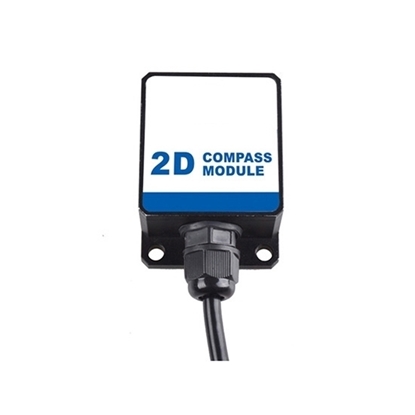
2D Electronic Compass Sensor, 0°-360°, RS232/RS485/TTL/RS422
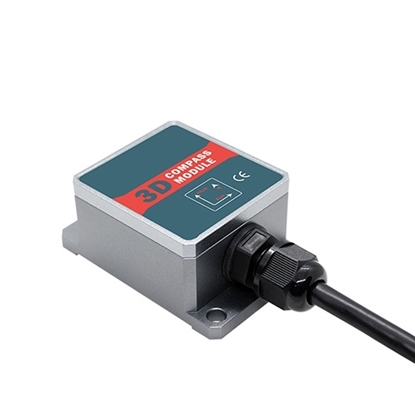
3D Electronic Compass Sensor for Car/Boat
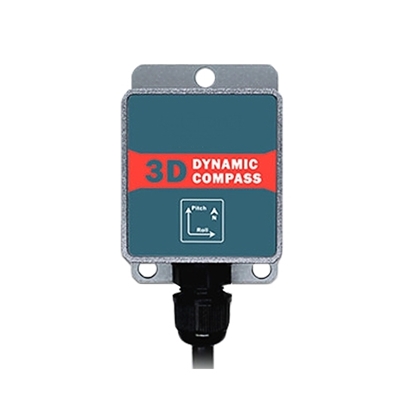
3D Dynamic Compass Sensor for Ship/Drone/Satellite Dish, 9 Axis

3D Electronic Compass Sensor, IP67, RS232/RS485/TTL
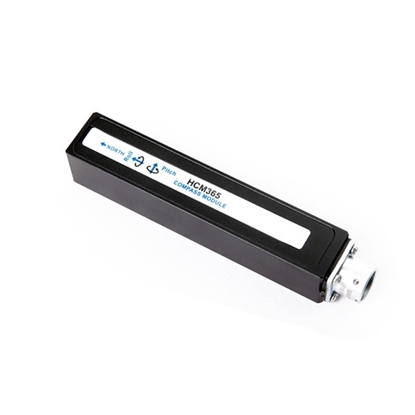
3D Electronic Compass Sensor, 0°-360°, RS232/RS485/TTL/RS422
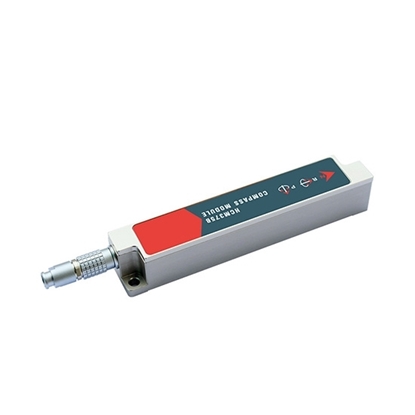
High Accuracy Electronic Compass Sensor, IP67, RS232/RS485/TTL
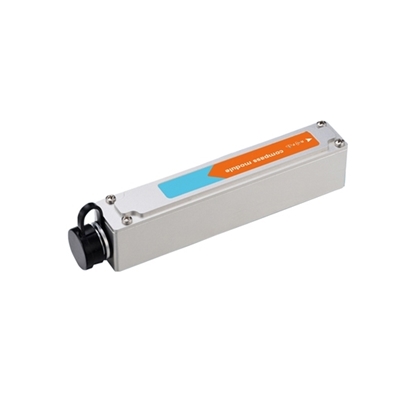
6-axis Magnetic Compass Sensor, 0°-360°, RS232/RS485/TTL
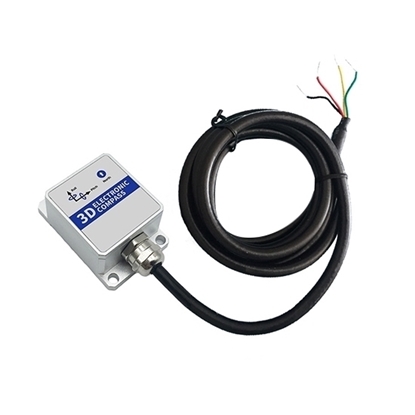
9-axis Digital Compass Sensor, 0°-360°, RS232/RS485/TTL
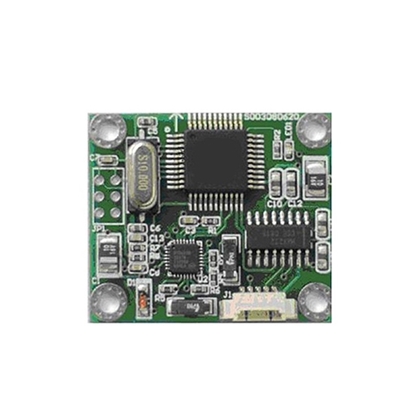
2D Electronic Compass Module, 0°-360°, RS232/RS485/TTL/RS422
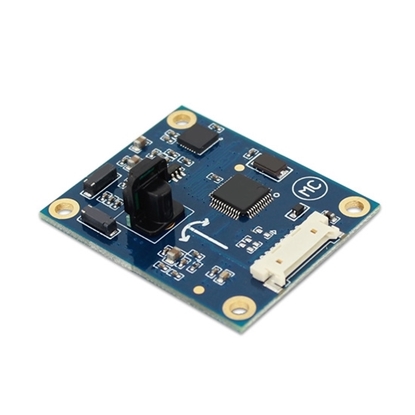
High Accuracy Electronic Compass Module, Three Axis, RS232
A compass sensor is an electronic device that detects direction. It works like a digital compass. It tells a device which way it is facing — north, south, east, or west. These sensors are common in smartphones, drones, robots, navigation systems, and outdoor gear.
Compass Sensor Types and Their Key Features
2‑Axis Electronic Compass Module (ATO-CPS-SCM225)
- Magnetic field range: ±1 to ±8 gauss. Operates from -40°C to +70°C.
- Heading accuracy: ±1°. Good for basic navigation and orientation.
- No tilt compensation. The device must stay perfectly level.
- Low cost. Ideal for simple automation control systems.
3‑Axis Electronic Compass (ATO-CPS-DCM260B / DCM302B / HCM365 / HCM375B)
- Uses a MEMS magnetometer to measure magnetic fields in 3D.
- Built‑in accelerometer corrects heading up to ±85° of tilt.
- Heading accuracy reaches 0.3°–0.5° (HCM365) for precise tasks.
- Stable from -40°C to +85°C (DCM260B, DCM302B, HCM365, HCM375B).
- DCM302B, HCM365, and HCM375B are IP67 rated (dust‑tight and waterproof).
- Common in automotive, marine, and industrial robots.
9‑Axis AHRS Compass (ATO-CPS-DDM306B / DCS306)
- Includes 3‑axis magnetometer, gyroscope, and accelerometer.
- Provides full attitude and heading reference for dynamic motion.
- DDM306B outputs up to 20 Hz. DCS306 outputs up to 100 Hz.
- DCS306 draws only 30 mA at 5V DC — good for battery power.
- On‑chip calibration automatically removes hard‑iron and soft‑iron errors.
6‑Axis Magnetic Compass (ATO-CPS-HEC3500D)
- Combines 3‑axis magnetometer with attitude sensors in a compact design.
- High accuracy: 0.3° heading error.
- Hard‑iron and soft‑iron calibration built into the chip.
- IP67 standard, with optional IP68 for full submersion (marine/outdoor).
- Wide operating temperature: -40°C to +85°C.
Key Considerations When Choosing a Compass Sensor
- Accuracy vs. Cost: ±1° (SCM225) for most tasks. ±0.3° (HCM365) for antenna or ship navigation.
- Tilt Compensation: Mandatory for vehicles, drones, ships. Without it, 10° tilt → >10° error.
- Environmental Protection: IP67/IP68 for industrial/outdoor. DCM302B and HCM375B are dust‑tight and waterproof.
- Interface Compatibility: ATO supports RS232, RS485, TTL, RS422, and Modbus for PLC.
- Calibration: Metal‑rich environments need on‑chip hard/soft‑iron cal. DDM306B and HEC3500D have it.
- Temperature Range: Outdoor/automotive use needs -40°C to +85°C. DCM260B, DCM302B, HCM365, HCM375B qualify.
- Output Rate: Fast platforms (drones, AGVs) need high rates. DCS306 offers 100 Hz.
- Power Budget: Battery‑powered devices pick low‑consumption models (e.g., DCS306: 30 mA) and duty‑cycle.
Compass Sensor Selection Guide
Compass sensors are essential for navigation, robotics, and automotive systems. Choosing the right model depends on accuracy, tilt compensation, environment, and budget. The table above offers a quick comparison of all ATO models.
| Model | Heading Accuracy | Tilt Comp | Best For |
| ATO-CPS-SCM225 | ±1° | No | Basic navigation, automation, low-cost |
| ATO-CPS-SCM220 | ±1° | No | Single-board, cost-effective automation |
| ATO-CPS-DCM260B | 0.8° | Yes (Accel) | Antenna stabilization, vehicles, ships |
| ATO-CPS-DDM306B | 0.8° | Yes (Accel+Gyro) | Drones, ships, satellite dishes (20Hz) |
| ATO-CPS-DCM302B | 0.5° | Yes (Accel) | Industrial, outdoor, waterproof (IP67) |
| ATO-CPS-HCM365 | 0.3°–0.5° | Yes (Accel) | Full attitude, drones, robots (IP67) |
| ATO-CPS-HCM375B | 0.5° (tilt<10°) | Yes (Accel) | High accuracy, antenna stabilization (IP67) |
| ATO-CPS-DCS306 | 2°(static)/3°(dynamic) | Yes (Accel+Gyro) | Fast response (100Hz sampling), IP67 |
| ATO-CPS-HEC3500D | 0.3° | Yes (Accel+Gyro) | High precision, 20000g shock, IP67/68 |
| ATO-CPS-DCM6 | 0.5°(tilt<10°)/1.5°(tilt<85°) | Yes (Accel) | OEM module, compass applications |
FAQs of Digital Compass
Q1: What is the difference between a 2-axis compass and a 3-axis compass?
A: A 2-axis compass measures only the horizontal magnetic field. It needs a perfectly level platform. A 3-axis compass measures all three dimensions. It can compensate for tilt using an integrated accelerometer. Unless your device is permanently horizontal, always choose 3‑axis. All modern MEMS compass sensors are 3‑axis.
Q2: How do I calibrate a compass sensor in a metal enclosure?
A: Most ATO compass sensors (DDM306B, DCM260B, HEC3500D) have on‑chip hard‑iron and soft‑iron calibration. A simple one‑time field calibration — rotating the device in a figure‑8 pattern — is usually enough. If the mounting location changes, recalibrate to keep accuracy.
Q3: Why does temperature matter for heading accuracy?
A: The magnetic properties of sensor materials and nearby metals change with temperature. This causes heading drift. Many cheap sensors drift 5°–10° from -40°C to +85°C. ATO's temperature‑compensated models (like DCM260B) keep error under 0.8° across that range — critical for outdoor and automotive use.
Q4: Do I need a gyroscope in addition to a compass?
A: For static orientation, a compass (magnetometer) plus accelerometer is enough. For fast rotations (drones, UAVs, stabilization systems), a 9‑axis AHRS model like DDM306B or DCS306 includes a 3‑axis gyroscope to handle rapid angular motion accurately.
