
Accelerometer Sensor
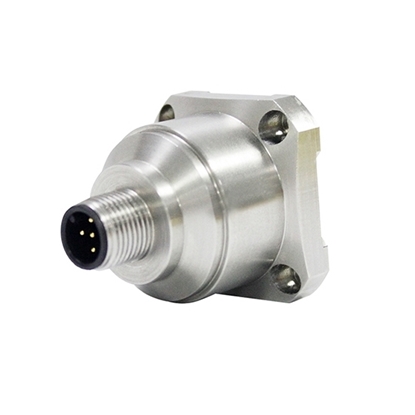
3-axis Accelerometer Sensor, Digital Output
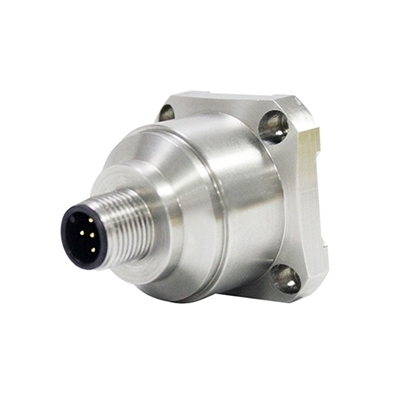
Three Axis Accelerometer Sensor, Current Output
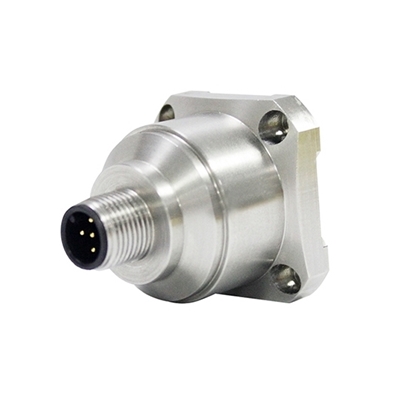
Triaxial Accelerometer Sensor, Voltage Output
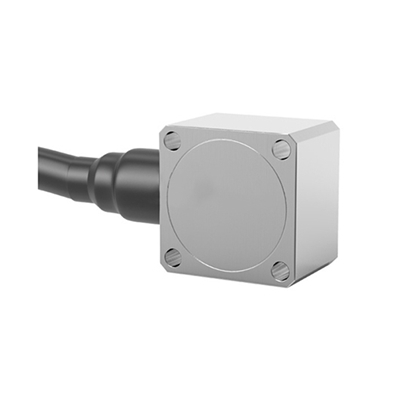
Triaxial Capacitive Accelerometer Sensor, ±1/5/50g
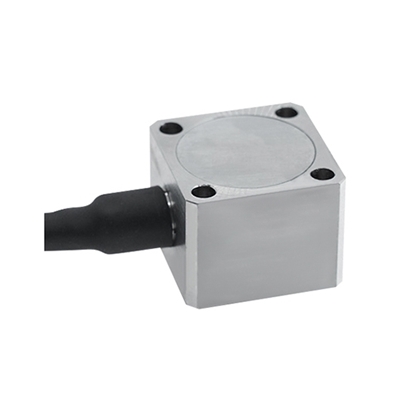
Single Axis Capacitive Accelerometer Sensor, ±1g/±5g/±50g
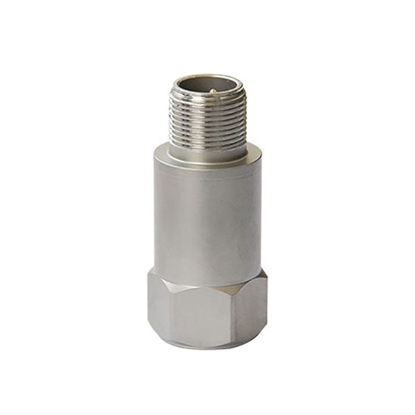
Piezoelectric Accelerometer Sensor, 50-5g/100-50g
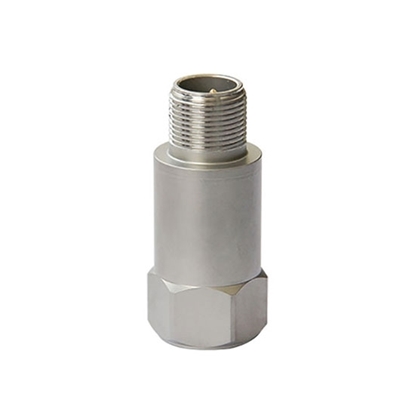
Piezoelectric Accelerometer Sensor, 0-200g/0-500g/0-1000g
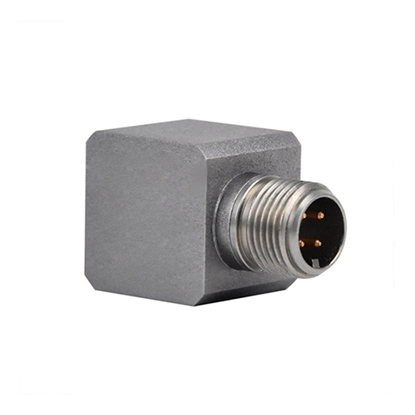
ICP/IEPE Accelerometer Sensor, 3 Axis, 10g/ 50g/ 100g
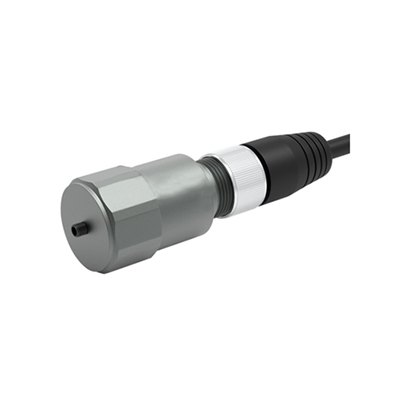
Industrial Piezoelectric Accelerometer Sensor, ±50g
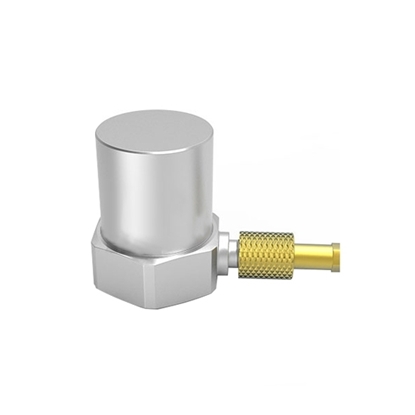
PE Piezoelectric Accelerometer Sensor, 150g
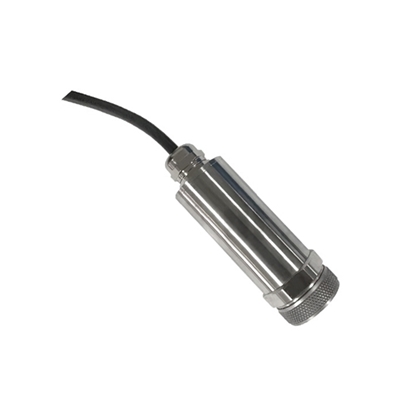
Accelerometer Vibration Sensor, RS485 Output, 0-50mm/s
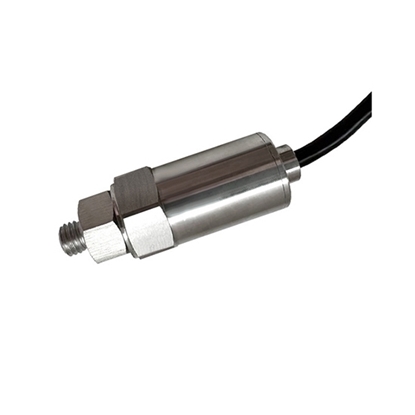
Accelerometer and Vibration Sensor, 4-20mA Output, 0-20mm/s
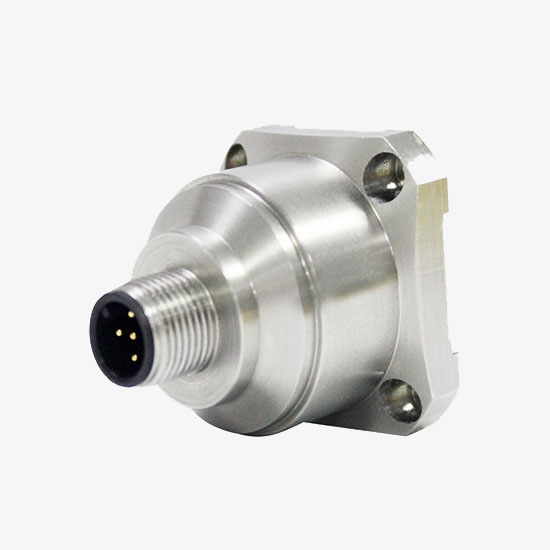
Accelerometer sensor is a motion detection device used to measure acceleration, vibration, tilt, shock, and movement changes in real time, widely utilizing MEMS technology for high accuracy and stable performance. It is commonly applied in industrial automation, robotics, automotive systems, drones, IoT devices, wearable electronics, and equipment condition monitoring. Common types include single-axis, dual-axis, and 3-axis accelerometer sensors, as well as analog and digital I2C/SPI accelerometer modules for embedded and industrial control applications.
How does an Accelerometer Sensor Work?
The working principle of an accelerometer sensor is primarily based on the measurement of inertial force. Its core functionality involves detecting the displacement or force of an internal proof mass under inertia, converting mechanical motion into electrical signals to measure acceleration.
Main accelerometer sensor working principles:
- Capacitive (MEMS, most common): Measures acceleration via capacitance changes between the proof mass and fixed electrodes. Features low power consumption, high accuracy, and DC response capability (enables tilt/gravity measurement). Widely used in smartphones and automotive systems.
- Piezoelectric: Measures acceleration by detecting electrical charge generated when a piezoelectric crystal is compressed by the proof mass. Offers robust construction and fast response, but cannot measure static gravity. Commonly used for high-frequency vibration and shock detection.
- Piezoresistive: Measures acceleration via resistance changes caused by deformation of piezoresistive materials (e.g., strain gauges) connected to the proof mass. Provides excellent linear output and high shock survivability. Often used in automotive crash testing.
Main Features of Accelerometer Sensors
- Multi-Axis Measurement: 1, 2, or 3-axis detection for motion monitoring.
- Compact Size: Small, lightweight MEMS design for easy integration.
- Low Power: 10–350 µA, ideal for battery-powered devices.
- Fast Response: Real-time capture of motion, vibration, and shock.
- Wide Range: Low-g to high-g (±2g to ±10,000g).
- High Reliability: Withstands vibration, shock, and temperature extremes.
- Digital or Analog Output: I²C/SPI (digital) or voltage (analog).
Main Types of Accelerometer Sensors
- MEMS Capacitive: Measures capacitance change between proof mass and electrodes. Low power, high accuracy, supports static tilt. Used in smartphones, wearables, automotive.
- Piezoelectric: Measures charge from compressed piezoelectric crystal. Fast response, no static measurement. Used in high-frequency vibration and shock detection.
- Piezoresistive: Measures resistance change in strained piezoresistive material. High shock survival, linear output. Used in automotive crash testing.
- Servo Force Balance: Uses closed-loop feedback for precision. High accuracy, higher power. Used in aerospace and seismic monitoring.
What are the Applications of Accelerometer Sensor?
- Consumer Electronics: Used in smartphones, tablets, smartwatches, and gaming devices for screen rotation, motion sensing, gesture control, and activity tracking.
- Automotive Systems: Applied in airbags, electronic stability control (ESC), vehicle tilt detection, navigation systems, and collision monitoring.
- Industrial Equipment: Used for vibration monitoring, predictive maintenance, machine condition monitoring, and equipment fault detection.
- Robotics and Automation: Helps robots and automated systems detect motion, orientation, balance, and positioning.
- Aerospace and Drones: Supports flight stabilization, navigation, attitude control, and motion tracking in aircraft and UAVs.
- Medical andWearable Devices: Used in fitness trackers, rehabilitation devices, fall detection systems, and patient motion monitoring.
- Smart Home and IoT Devices: Enables motion detection, anti-theft alarms, smart sensors, and environmental monitoring systems.
ATO Automation offers single-axis and 3-axis accelerometer sensors, including capacitive and piezoelectric models, delivering precise measurement, high stability, and low power consumption. With digital, analog, or current output options and a robust design for diverse conditions, our sensors fit industrial and general motion sensing applications. Shop now at ATO.com for competitive pricing.
