
Capacitor Contactor
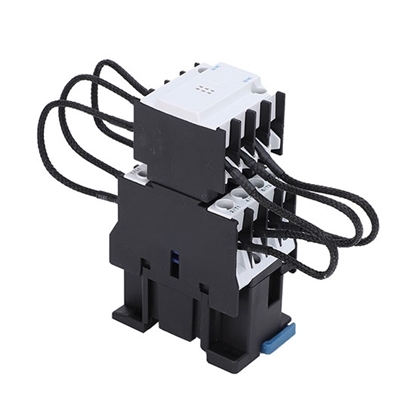
25A AC Capacitor Contactor, 3 Pole, 220V/380V
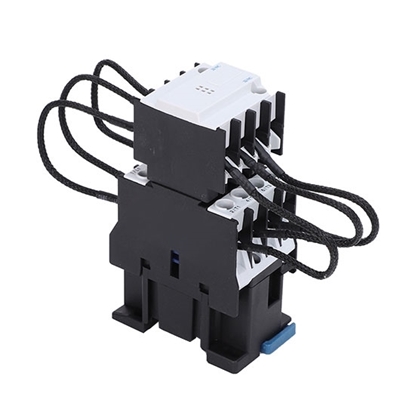
32A AC Capacitor Contactor, 3 Pole, 220V/380V
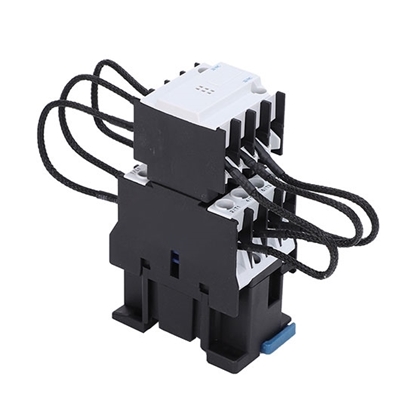
43A AC Capacitor Contactor, 3 Pole, 220V/380V
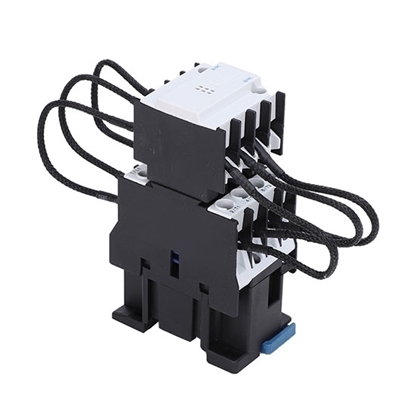
63A AC Capacitor Contactor, 3 Pole, 220V/380V
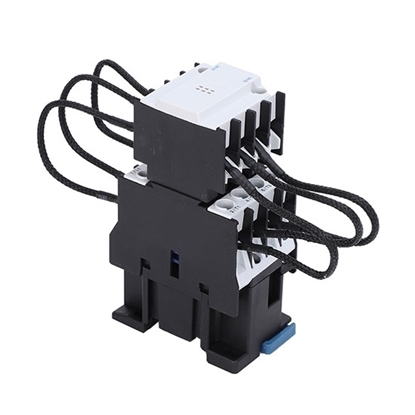
95A AC Capacitor Switching Contactor, 3 Pole, 220V/380V
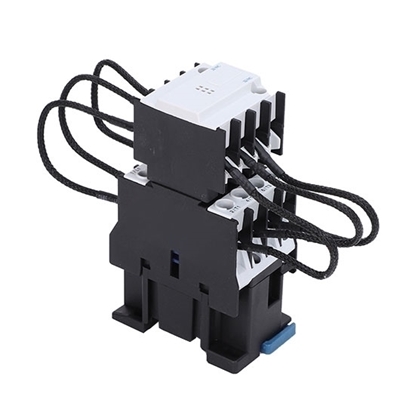
115A AC Capacitor Switching Contactor, 3 Pole, 220V/380V
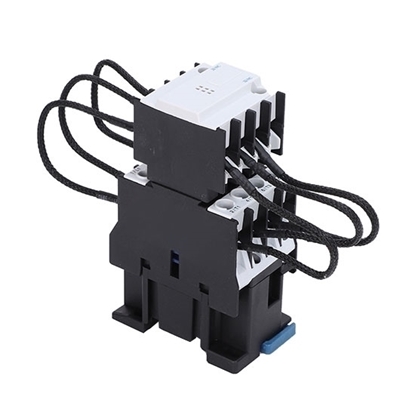
170A AC Capacitor Switching Contactor, 3 Pole, 220V/380V
A capacitor contactor is a specialized electrical switching device designed for controlling capacitor banks in power factor correction systems. Unlike standard AC contactors, capacitor contactors are specifically engineered to handle the unique characteristics of capacitive loads, including high inrush current generated when capacitors are energized.
Capacitor contactors are commonly used in automatic power factor correction (APFC) panels, industrial control cabinets, and electrical distribution systems. By safely switching capacitor banks on and off, they help improve power efficiency, reduce reactive power losses, and maintain stable operation of electrical networks.
How Does a Capacitor Contactor Work?
A capacitor contactor operates by using an electromagnetic coil to control the opening and closing of main contacts. When the coil is energized, the contactor closes and connects the capacitor bank to the power supply. When the coil is de-energized, the contacts open and disconnect the capacitor bank.
The main difference between a capacitor contactor and a standard contactor is the built-in mechanism for limiting inrush current. When a capacitor is switched on, it initially draws a large charging current that can damage conventional contacts. Capacitor contactors use damping resistors or pre-switching contacts to reduce this impact, minimizing contact wear and improving switching reliability.
Key Features
- Inrush Current Suppression: ATO capacitor contactors are equipped with special current limiting structures to reduce the high initial charging current of capacitor banks. This helps protect contacts and improves system reliability.
- Reliable Capacitor Switching: Designed for frequent switching operations, capacitor contactors provide stable performance in automatic power factor correction systems where capacitor banks need to be switched according to load conditions.
- Long Electrical and Mechanical Life: High-quality contact materials and optimized mechanical structures reduce contact damage and extend both electrical and mechanical service life.
- Easy Installation: ATO capacitor contactors feature compact designs and DIN rail mounting, making them easy to install inside electrical cabinets and control panels.
Applications
- Power Factor Correction Systems: Capacitor contactors are widely used in automatic capacitor bank systems to improve power factor and reduce reactive power consumption in electrical networks.
- Industrial Electrical Cabinets: In factories and industrial facilities, capacitor contactors are installed in control panels to manage capacitor banks and maintain efficient power distribution.
- Commercial Power Distribution Systems: Commercial buildings use capacitor contactors to optimize electrical energy usage and improve the stability of power supply systems.
- Renewable Energy Systems: Capacitor contactors can also be used in renewable energy and energy management systems where reactive power control is required.
How to Choose the Right Capacitor Contactor?
- Rated Current: Choose a capacitor contactor with a suitable rated current according to the capacitor bank load. An appropriate current rating ensures safe operation and prevents overheating.
- Capacitor Capacity (kvar): The capacitor contactor should match the reactive power capacity of the capacitor bank. Selecting the correct kvar rating helps ensure reliable switching performance.
- Coil Rated Voltage: Confirm that the contactor coil voltage matches the control system, such as AC 220V or AC 380V, to ensure proper operation.
- Number of Poles: Select the appropriate pole configuration based on the electrical system. Three-pole capacitor contactors are commonly used for three-phase capacitor banks.
- Installation Method: Consider the available installation space and choose a suitable mounting method. DIN rail mounting is widely used for compact electrical cabinets.
Conclusion
Capacitor contactors are essential components in power factor correction systems, providing reliable and safe switching of capacitor banks. With specialized designs for handling high inrush currents, they help reduce contact wear, improve system stability, and extend the service life of electrical equipment. Choosing the right capacitor contactor based on application requirements, such as rated current, capacitor capacity, coil voltage, and installation method, ensures efficient and reliable operation of power compensation systems.
If you need technical support, product selection assistance, or purchasing guidance, please contact ATO.com. Our team is ready to provide professional solutions and help you find the right capacitor contactor for your application.
