
Color Sensor
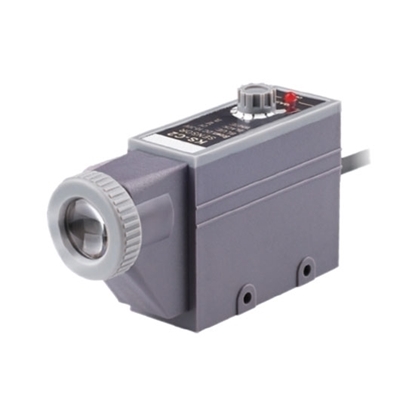
Color Detection Sensor, Red/Green/Blue/White
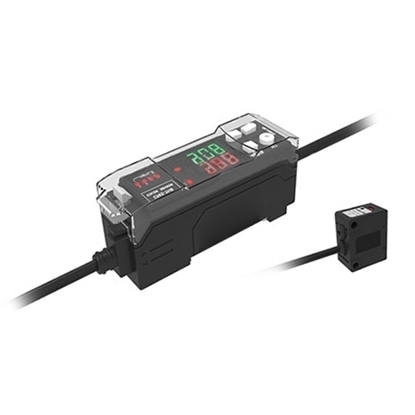
Color Recognition Sensor, NPN/PNP Output
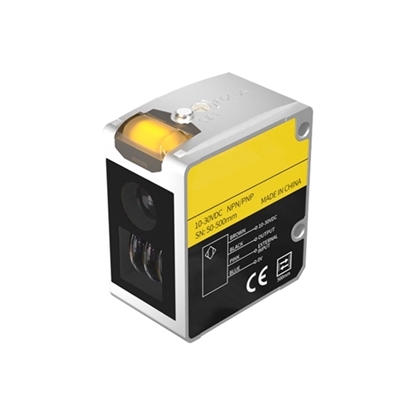
Industrial Color Sensor, 30-70mm/50-500mm Long Range
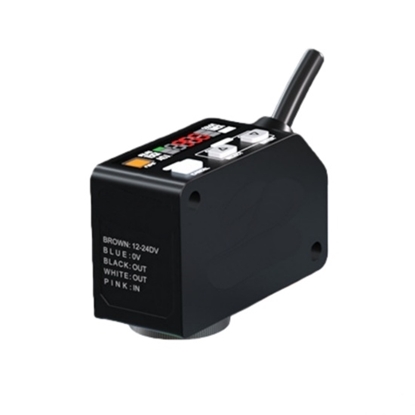
RGB Digital Color Mark Sensor, 7-13mm
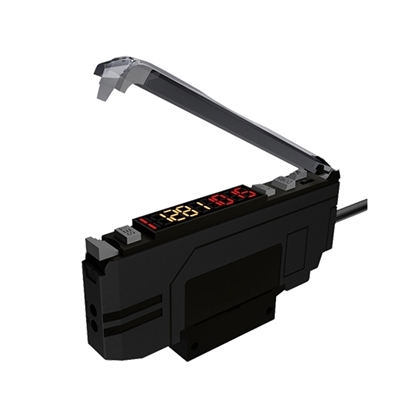
Color Light Sensor with RGB Photodiode, 5-50mm
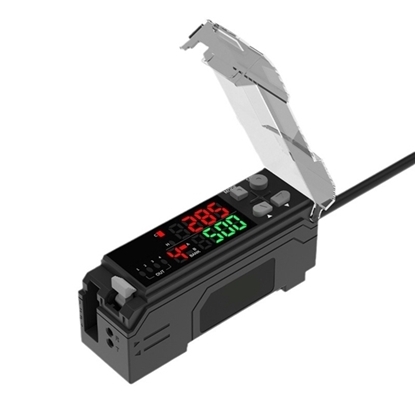
RGB Fiber Optic Color Sensor, NPN/PNP
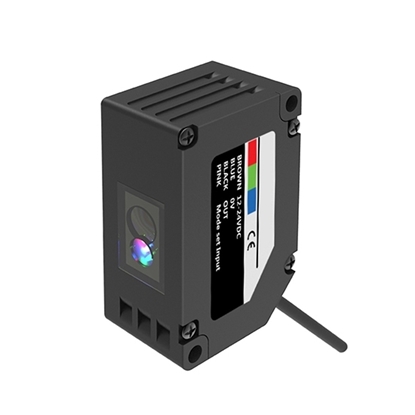
Photoelectric LED Color Sensor, 18-28mm
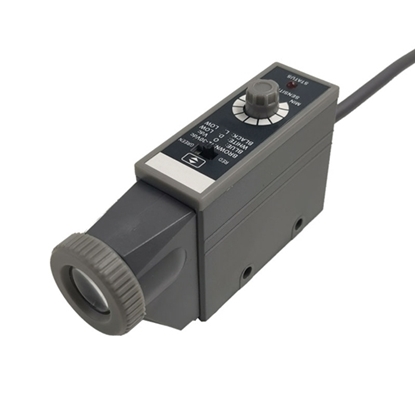
Photoelectric Color Sensor for One/Two Color Detection
What is a color sensor?
A color sensor is a photoelectric detection device that identifies colors, color marks, and subtle brightness differences by analyzing the RGB color components of reflected light. This device is widely utilized across various industries and serves as a core component for achieving automated quality inspection, material sorting, and positioning operations.
How do color sensors work?
The working principle of a color sensor involves emitting light toward a target object via built-in RGB light-emitting diodes and then receiving the reflected light through a photodetector. By analyzing the intensity of red, green, and blue light wavelengths, the device can precisely determine the object's color. While basic sensors can identify preset colors for simple industrial conditions, high-end models are equipped with multi-mode processing algorithms capable of distinguishing extremely fine color differences in high-precision detection scenarios.
What are the common types of industrial color sensors, and which applications are they suitable for?
| Sensor Type | Key Features | Ideal Use Cases |
| Basic Color/Mark Sensor | low cost, easy installation, multi-light optional, anti-interference | simple sorting, packaging color mark detection, basic positioning |
| High-Speed RGB Color Sensor | fast response, high-precision recognition, IP67 waterproof, wide temperature resistance | high-speed packaging, printing, electronic assembly quality inspection |
| Fiber Optic RGB Sensor | 3000+ color recognition, multiple detection modes, high precision | narrow space detection, complex sorting and quality control |
| Long-Distance Color Sensor | high-brightness LED, max 500mm sensing range, stable for uneven surfaces | large production lines, logistics sorting, variable-distance outdoor use |
| Dual-Mode LED Color Sensor | color/mark mode switchable, anti-vibration, stable at different distances | multi-process production, packaging and label dual detection |
What are the core advantages of color sensors?
Compared to manual inspection, color sensors possess four core advantages:
- Stable Detection: Precise detection is maintained even with minor shifts in the object's distance or angle, stability is far superior to human vision.
- Strong Compatibility: Supports NPN/PNP dual output, allowing direct connection to various industrial PLCs and automation equipment, fitting most industrial control scenarios.
- Compact Size: The body is compact and lightweight, saving installation space and adapting to various automation equipment layouts.
- Excellent Anti-interference: Built-in optical filtering algorithms can block environmental light and dust interference, ensuring stable operation in complex working conditions.
What industries are color sensors applied in?
Color sensors are widely used in mainstream industrial fields. Their core uses per industry are briefly summarized below:
- Packaging and Printing Industry: Used for color mark positioning, color calibration, color difference detection, and label verification, correcting color deviation and alignment issues.
- Electronics Manufacturing Industry: Used for PCB component verification, accessory color sorting, and workpiece orientation identification, achieving high-precision quality inspection and sorting.
- Logistics and Warehousing Industry: Used for parcel label identification and material classification, significantly improving the efficiency and accuracy of sorting lines.
- Food and Beverage Industry: Detects packaging sealing integrity, bottle cap color matching, and label alignment to ensure products meet regulatory standards.
- General Industrial Automation: Replaces manual labor for material classification and workpiece appearance inspection, achieving production automation and standardization.
FAQ for color sensors
Q1: Are color sensors easily affected by ambient light?
A1: Industrial models feature optical filtering and anti-interference algorithms to resist ambient light without additional shielding, ensuring stable detection.
Q2: Can they identify similar colors and subtle color differences?
A2: Yes. Basic models distinguish standard colors, while high-precision RGB and fiber-optic models can identify minute color differences to meet high-precision quality needs.
Q3: Do color sensors support PLC integration? What are the output methods?
A3: Yes, they come standard with NPN/PNP dual output and can connect directly to various PLCs and industrial control equipment. Wiring is simple with high universality.
Q4: What is the difference between a color sensor and a standard color mark sensor?
A4: Standard color mark sensors only identify contrast between light and dark; color sensors can precisely distinguish multiple colors and subtle color differences with higher accuracy and wider use.


