
Electronic Load
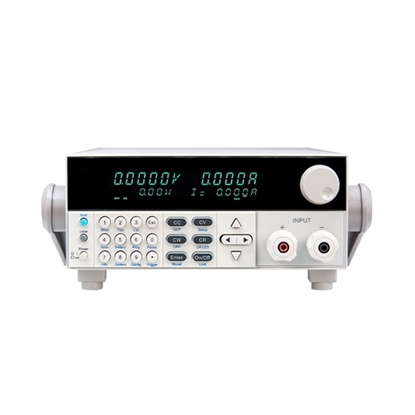
Programmable DC Electronic Load, 120W/120V/20A
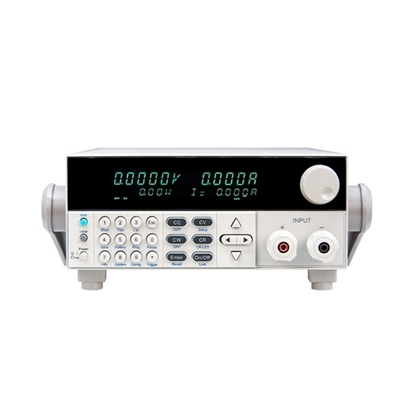
Programmable DC Electronic Load, 150W/120V/30A
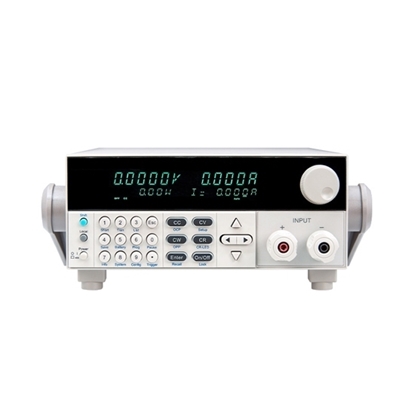
Programmable DC Electronic Load, 300W/150V/30A
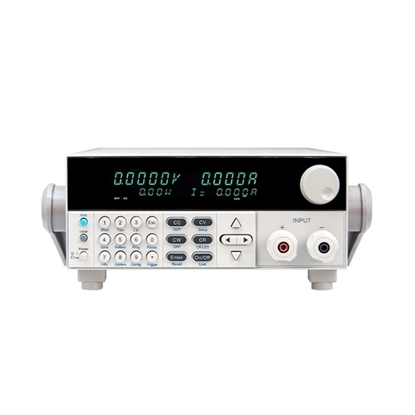
Programmable DC Electronic Load, 600W/150V/120A
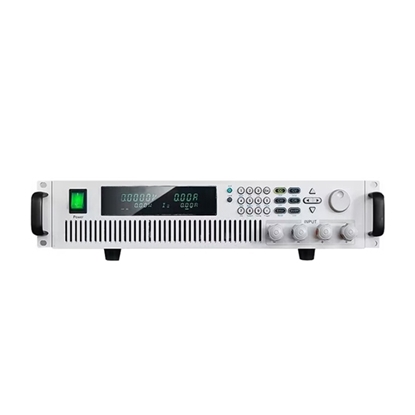
Programmable DC Electronic Load, 1500W/500V/60A
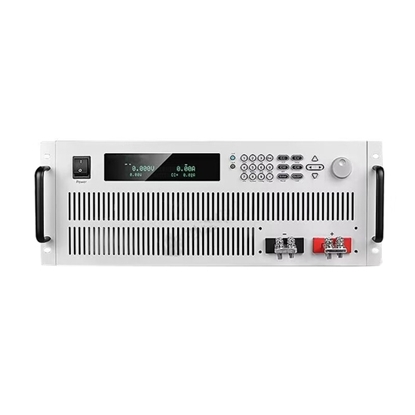
Programmable DC Electronic Load, 3000W/120V/240A
Electronic loads are precision test instruments used to simulate electrical loading conditions for power supplies, batteries, chargers, and other power electronic devices. They allow accurate control and measurement of voltage, current, power, and dynamic response under different operating conditions.
ATO electronic loads are widely used in R&D laboratories, production testing lines, and quality control systems to evaluate the performance, efficiency, and reliability of electrical products.
ATO Electronic Load Selection Guide
ATO offers a complete range of electronic loads from 120W to 3000W. These devices allow precise testing of power supplies, batteries, and industrial systems. Use the table below to quickly find the model that fits your voltage, current, and application requirements. Each model supports multiple load modes and advanced functions suitable for laboratory and industrial environments.
| Model (SKU) | Voltage Range | Current Range | Load Modes | Typical Applications |
| ATO-EL-120W | 0–120V | 0–20A | CC / CV / CR / CP | Basic power supply testing / low-power electronics |
| ATO-EL-150W | 0–120V | 0–30A | CC / CV / CR / CP + Battery test + Short-circuit test | Battery testing / adapter testing / lab testing |
| ATO-EL-300W | 0–150V | 0–30A | CC / CV / CR / CP + Battery test + LED test | DC power supply / LED driver / DC-DC converter testing |
| ATO-EL-600W | 0–150V | 0–120A | CC / CV / CR / CP + Battery test + Short-circuit test | Mid-power PSU / battery discharge / industrial electronics |
| ATO-EL-1500W | 0–500V | 0–60A | CC / CV / CR / CP + Battery test + Automatic test | Industrial power systems / energy storage / high-voltage testing |
| ATO-EL-3000W | 0–120V | 0–240A | CC / CV / CR / CP + Battery test + Automatic test + Dynamic mode | High-power systems / energy storage / industrial applications |
How to Read the Table
CC / CV / CR / CP: Standard load modes for constant current, voltage, resistance, and power.
Battery Test: Allows battery discharge and capacity testing.
Short-circuit Test: Provides short-circuit simulation for safe validation.
Dynamic Mode: Simulates rapid load changes for transient testing.
Automatic Test: Supports programmable sequences for repetitive testing.
Key Features of ATO Electronic Loads
ATO electronic loads are designed to provide accurate, stable, and flexible testing for power supplies, batteries, and electronic devices. They support multiple operating modes and advanced testing functions suitable for both laboratory and industrial environments.
- Fast dynamic response: Supports transient load changes, making it suitable for testing power supply stability under sudden load variation.
- Built-in protection functions: Includes over-voltage, over-current, and over-temperature protection to ensure safe operation under all conditions.
- Battery discharge and capacity testing: Enables accurate battery performance evaluation, including discharge curves, capacity measurement, and endurance testing.
- Short-circuit testing capability (select models): Allows safe simulation of short-circuit conditions to verify power supply protection and system reliability.
- High-precision measurement: Provides accurate voltage and current readings to ensure reliable test results for R&D and production verification.
- Multiple load modes (CC, CV, CR, CP): Supports constant current, constant voltage, constant resistance, and constant power testing, allowing users to simulate different real-world electrical conditions.
- Automatic and programmable testing (high-power models): Enables repeated and automated test sequences, improving efficiency in production lines and batch testing environments.
- Remote control interfaces (USB / RS232 / LAN, model dependent): Supports integration with computer systems and automated test platforms for remote operation and data acquisition.
Applications of ATO Electronic Loads
ATO electronic loads are widely used in a variety of power electronics testing and industrial validation applications, including laboratory research, production testing, and high-power system verification:
- DC-DC converter validation: Used to test DC-DC converters under different load conditions to ensure efficiency, stability, and reliable operation.
- LED driver testing: Verifies LED driver performance under constant current or constant voltage conditions to ensure stable lighting output.
- Solar inverter testing: Simulates load conditions to evaluate output performance, efficiency, and transient response of solar inverters.
- Energy storage system testing: Used for load testing of battery packs and energy storage modules to ensure safety and system reliability.
- Industrial power system verification: Applied in industrial automation and power systems to validate load capacity, stability, and protection functions.
- R&D and laboratory testing: Supports precision testing in research and development, including voltage, current, and power analysis.
- Production line quality control and aging tests: Used for batch testing, burn-in testing, and quality verification to improve product reliability.
- Power supply performance testing: Used to evaluate DC power supplies and switching power supplies, including voltage stability, current regulation, and load response performance.
- Battery discharge and capacity testing: Supports discharge curve analysis, capacity measurement, and lifecycle testing for various types of batteries in both laboratory and production environments.
How to Choose the Right ATO Electronic Load
When selecting an electronic load, consider the following key factors:
- Power rating: Select a model within the 120W–3000W range based on your test power requirements.
- Voltage and current range: Ensure the selected model matches the specifications of the device under test.
- Dynamic performance: Choose a model with fast response capability if your application involves rapid load changes or transient testing.
- Communication interfaces: USB, RS232, and LAN interfaces enable easy integration with automated test systems for remote control and data acquisition.
- Application type: Select the appropriate model based on whether it is for laboratory research, production testing, or industrial system validation.
- Load modes and functions: Standard CC/CV/CR/CP modes are available, while higher-power models support battery testing, dynamic loading, short-circuit testing, and automatic test functions.
FAQ
What is an electronic load used for?
An electronic load is used to simulate electrical consumption for testing power supplies, batteries, and power electronic devices under controlled conditions.
What power range do ATO electronic loads cover?
ATO electronic loads range from 120W to 3000W, covering low-power to high-power industrial applications.
Can electronic loads test batteries?
Yes, they support battery discharge, capacity testing, and performance evaluation.
Do all models support advanced testing functions?
Basic models support standard load modes, while higher-power models include battery testing, automatic test, and dynamic load functions.
