
Fiber Sensor
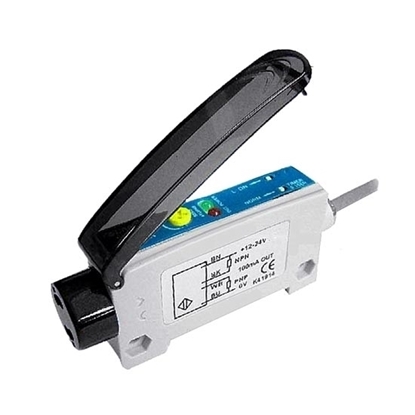
Fiber Optic Sensor, NPN/PNP, NO/NC
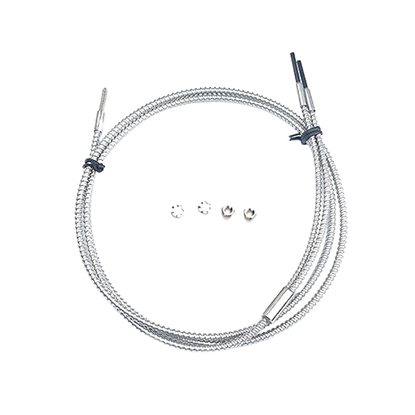
High Temperature Fiber Optic Sensor, -55°C~350°C
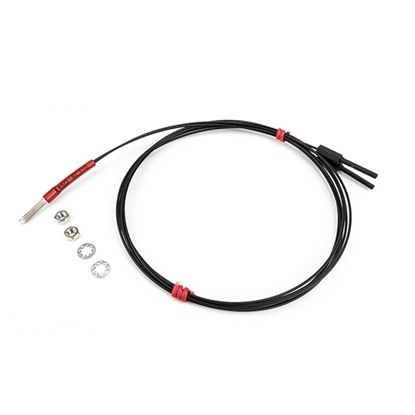
Diffuse Reflective Fiber Optical Sensor, M3/M4/M6
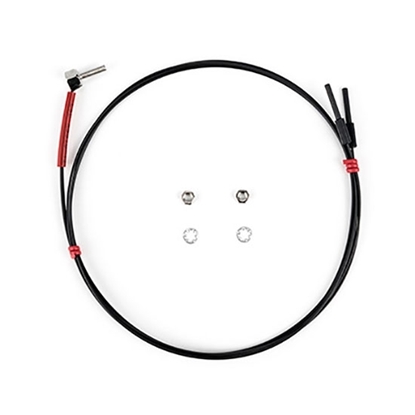
Right Angle Fiber Optic Sensor
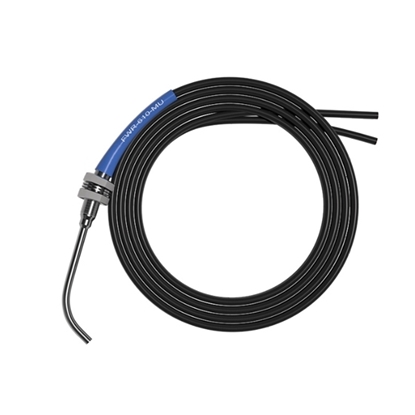
Plastic Fiber Optic Sensor, M6 Bend Probe
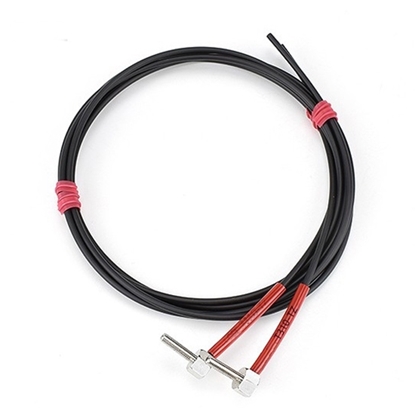
Through Beam Fiber Optic Sensor, M3/M4/M6
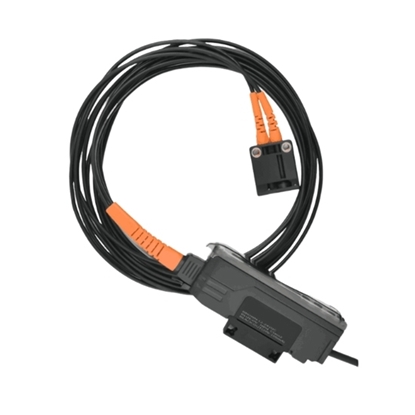
Laser Fiber Optic Sensor with Amplifier, NPN
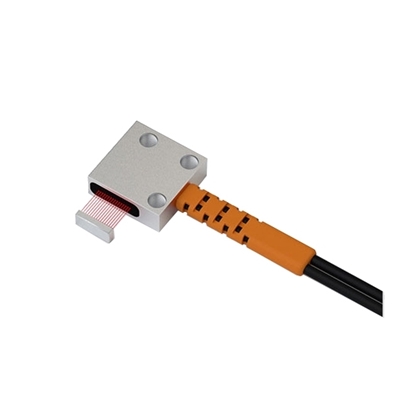
Rectangular Fiber Optic Sensor, Lateral Induction
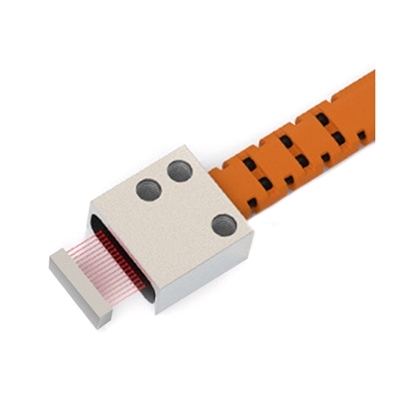
Rectangular Fiber Optic Sensor, Top Induction
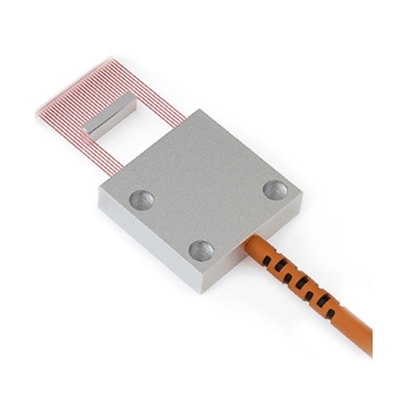
Through Beam Rectangular Fiber Optic Sensor
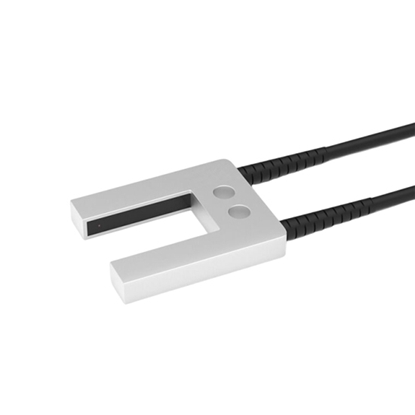
Slotted Fiber Optic Sensor, U-shaped, 12mm Distance
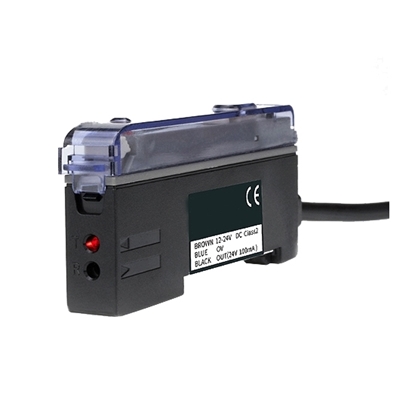
Single Digital Fiber Optic Amplifier, NPN/ PNP
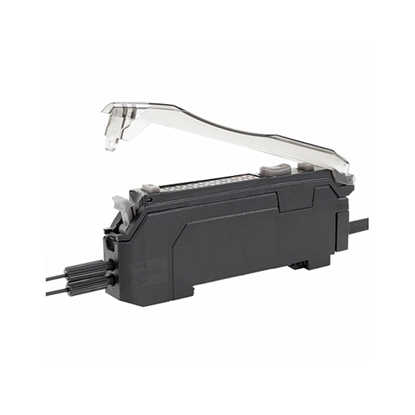
Dual Digital Fiber Optic Amplifier, NPN/ PNP
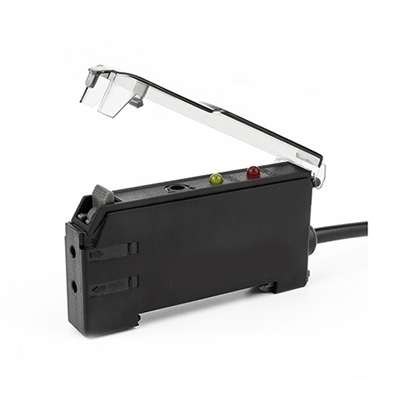
Economical Fiber Optic Amplifier, NO/NC
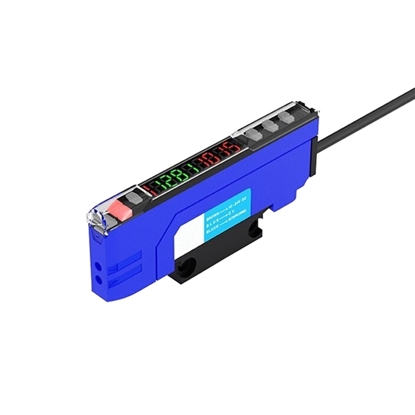
Fiber Optic Sensor Amplifier, 200mm/1200mm Distance
What is a Fiber Optic Sensor?
Fiber optic sensors are high-precision industrial devices used for detecting position, distance, and physical changes in automation systems. They are especially effective in environments with strong electromagnetic interference, high temperature, or limited installation space, where traditional sensors may fail.
How Does a Fiber Optic Sensor Work?
Fiber optic sensors work by transmitting light through optical fibers and detecting changes in the optical signal caused by reflection, refraction, or interference. These signal variations are converted into electrical outputs for use in industrial automation systems. This enables real-time monitoring of position, distance, vibration, and environmental changes in production processes. Most fiber optic sensor systems also support PLC integration, allowing seamless connection with automated control systems for stable industrial operation.
Fiber Optic Sensor Types
Fiber optic sensors can be classified into various types according to their function and structure:
| Type | Key Feature | Application Scenario |
| Through Beam Fiber Optic Sensor | Long-distance straight light transmission | Fiber optic sensor for high-speed counting, precise positioning, and long-distance industrial automation detection systems |
| Diffuse Reflective Fiber Optic Sensor | Detect object surface reflection | Reflective fiber optic sensor for packaging inspection, presence detection, and label verification in industrial production lines |
| Coaxial Fiber Optic Sensor | Transmits and receives light through the same fiber for compact detection | Fiber optic sensor for narrow space detection, precision equipment monitoring, and fiber optic position sensing applications |
Fiber Optic Sensor Selection Guide
This guide organizes ATO fiber optic sensors and amplifies by function, comparing key specs and scenarios to help you quickly select the right model.
| Model | Detection Method | Cable Length | Temperature | Adjustable Sensing Distance | Selection Scenario |
| ATO-FIBER-RC | Diffuse reflective | 1m | -20~75℃ | 0-80mm | General object detection |
| ATO-FIBER-RAS | Diffuse reflective | 1m / 2m | -20~75℃ | 0~48/64mm | Limited space/angled installation |
| ATO-FIBER-HRSG | Diffuse reflective | 1m / 2m | -55°C~350°C | 0–72mm | High Temperature Requirement |
| ATO-FIBER-TBS | Through beam | 1m / 2m | 0~50℃ | 0–800mm | Long-distance/micro-object detection |
| ATO-FIBER-LFM | Laser sensing | 2m | -10°C~55°C | 0-70mm | High-speed production line |
| ATO-FIBER-RT | Top / Through beam | 2m | -55℃~70℃ | 10-20mm | High-precision inspection |
| ATO-FIBER-1220 | Slotted (U-shape) | 1m | -10°C~55°C | Fixed 12mm | Counting/positioning |
| ATO-FIBER-30N | Amplifier system | 2m | -10℃~50℃ | Diffuse reflection: Fixed 200mm Through-beam: Fixed 1200mm |
Signal amplification/system use |
Advantages of Fiber Optic Sensors
Compared with traditional photoelectric sensors, fiber optic sensors offer better flexibility and stability in complex environments.
- Non-contact measurement: No physical contact with the target, reducing wear and improving long-term stability in production lines.
- Strong interference resistance: Uses light transmission, making it highly resistant to electromagnetic interference in industrial environments.
- High sensitivity and accuracy: As a fiber optic detector, it can detect very small changes in position, distance, or movement.
- Wide application range: Works in harsh conditions such as high temperature, pressure, and vibration.
- Flexible installation: Compact fiber optic design fits narrow spaces and supports fiber optic position sensor and fiber optic distance sensor applications.
- Long service life: No moving parts, ensuring stable performance and low maintenance over time.
Industrial Applications of Fiber Optic Sensor
Fiber optic sensors are widely used in industrial automation systems for real-time monitoring, precision positioning, and equipment inspection across manufacturing, energy, logistics, and infrastructure applications.
- Oil & Gas Industry: Used for downhole temperature and pressure monitoring in high-temperature wells, as well as pipeline integrity monitoring for leak detection, intrusion, and structural damage analysis over long distances.
- Renewable Energy & Power Generation: Supports structural health monitoring of wind turbines, including blade deformation, load stress, and vibration, while also being applied in smart grids, transformers, and high-voltage cable systems.
- Civil Engineering & Infrastructure: Enables structural health monitoring of bridges, tunnels, dams, and buildings by detecting strain, cracks, deformation, and long-term structural changes for safety assessment.
- Aerospace & Aviation: Applied in composite material curing processes and aircraft structural monitoring to measure strain and ensure operational safety under extreme conditions.
- Manufacturing & Process Control: Used for high-temperature equipment monitoring, such as furnace temperature tracking, and precision quality control in automated production and assembly lines.
- Medical Diagnostics: Enable high-precision surgical support and real-time monitoring of medical equipment performance, thanks to their high sensitivity and compact, miniaturized design.
FAQs
Q1: How do I choose the right fiber optic sensor for my application?
A: It depends on your detection distance, installation space, and object type. Through-beam sensors are best for long-distance and stable detection, while reflective and coaxial types are better for compact or short-range applications.
Q2: What is the difference between fiber optic and photoelectric sensors?
A: A fiber optic sensor uses a separate fiber cable and amplifier, making it more suitable for tight spaces and harsh environments, while standard photoelectric sensors are typically larger and less flexible.
Q3: Can the fiber optic sensors detect transparent objects?
A: Yes. Fiber optic sensors, especially through-beam and selected reflective types, can reliably detect transparent materials such as glass, plastic films, and packaging in industrial automation applications.
