
Gas Sensor
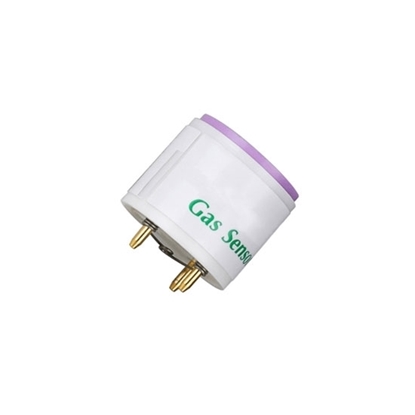
Hydrogen Fluoride (HF) Gas Sensor, 0-10ppm
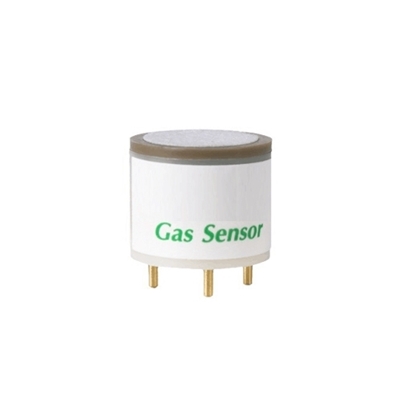
Nitric Oxide (NO) Gas Sensor, 0-50/250/1000/5000ppm
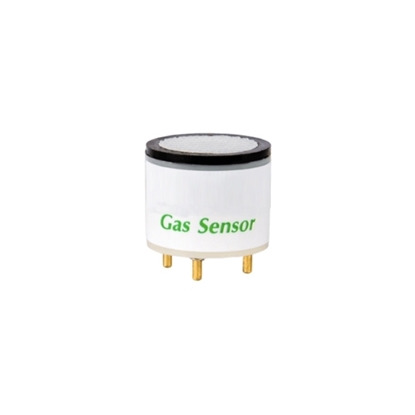
Nitrogen Dioxide (NO2) Gas Sensor, 0-20ppm
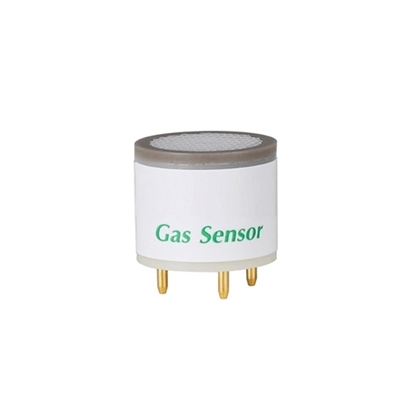
Hydrogen Chloride (HCl) Gas Sensor, 0-50ppm/0-200ppm
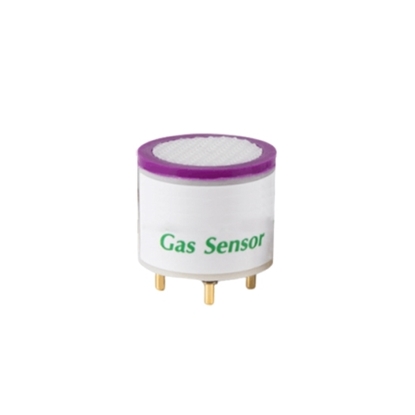
Hydrogen Cyanide (HCN) Gas Sensor, 0-50ppm
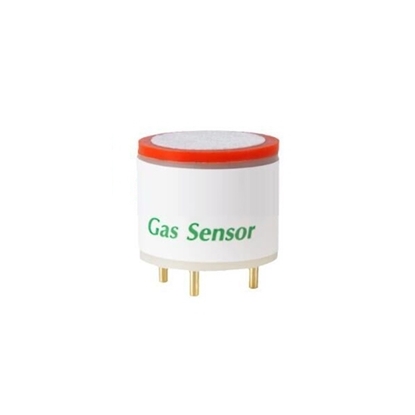
Ethylene Oxide (ETO) Gas Sensor, 0-100ppm
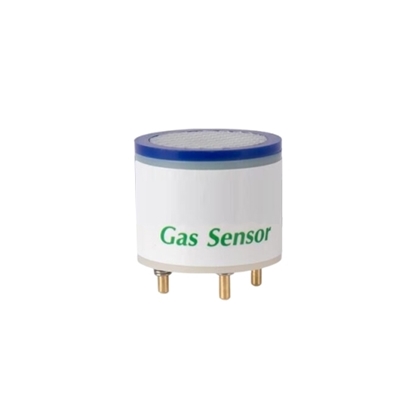
Chlorine Dioxide (ClO2) Gas Sensor, 0-50ppm
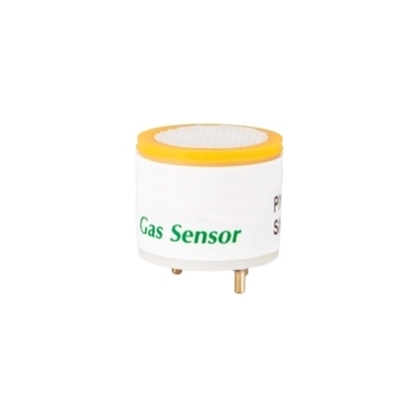
Tetrahydrothiophene (THT) Gas Sensor, 0-50ppm
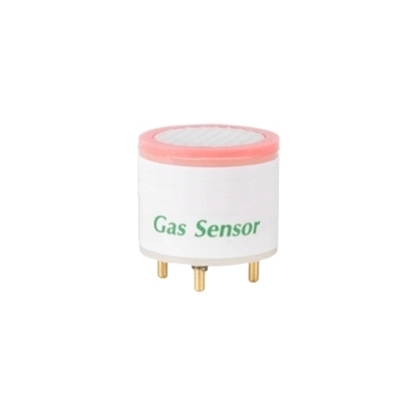
Hydrogen (H2) Gas Sensor, 0-1000/2000/5000ppm
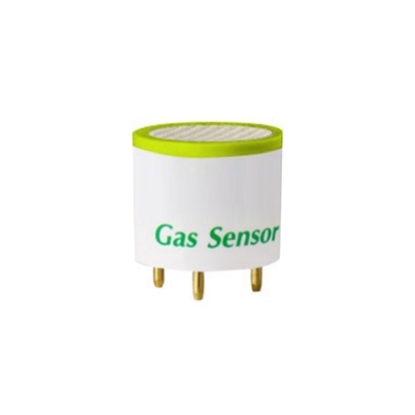
Methanethiol (CH3SH) Gas Sensor, 0-10ppm/0-100ppm
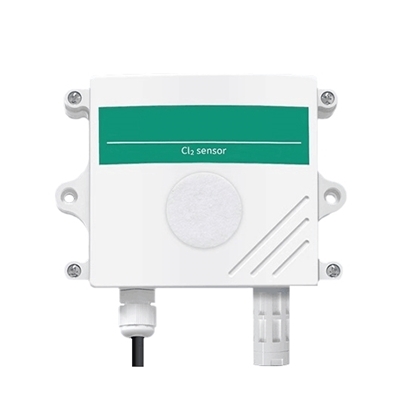
Chlorine (Cl2) Gas Sensor, 0-20ppm/0-50ppm/0-100ppm
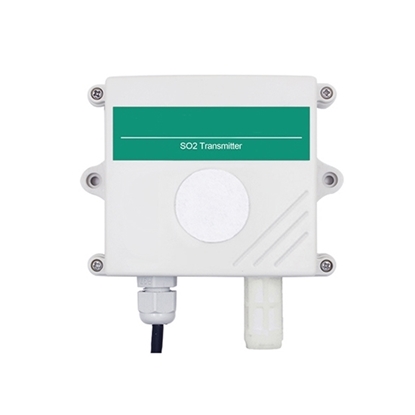
Sulfur Dioxide (SO2) Sensor/Transmitter, RS485/4-20mA/0-5V/0-10V
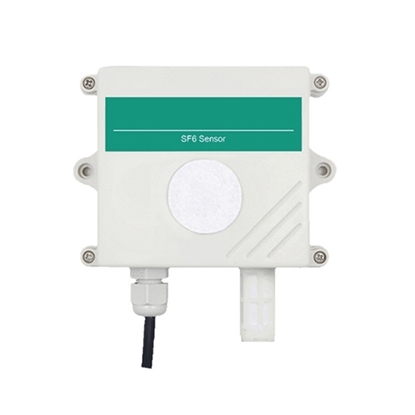
Sulphur Hexafluoride (SF6) Gas Sensor, RS485/4-20mA/0-5V/0-10V
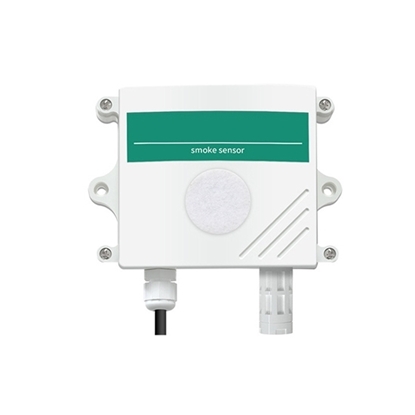
Smoke Gas Sensor with Sensing Probe, 2000-10000ppm
An industrial fixed gas detector continuously monitors hazardous gases (e.g., CO, CO₂, CH₄, H₂S) and converts the reading into an electrical output (4‑20mA, RS485 Modbus, 0‑5V, or relay). It is permanently installed in explosion‑proof hazardous areas, commercial multi‑level parking structures, municipal logistics hubs, industrial boiler rooms, mechanical rooms, commercial‑scale greenhouses, and HVAC air handling units to trigger exhaust fans, alarms, or equipment shutdown when gas exceeds safety thresholds.
Project procurement note: ATO supports system integrators, EPC contractors, and maintenance engineers with compliance documentation, technical submittal assistance, and flexible ordering for commercial projects. Contact sales for project‑based pricing.
How Does a Gas Sensor Work?
ATO offers fixed electrochemical CO sensors and NDIR CO₂ sensors – the two most reliable technologies for commercial and industrial ventilation safety.
| Technology | Operating Principle | Target Gases |
|---|---|---|
| Electrochemical | Chemical reaction - Current output | CO, H₂S, O₂, NO₂ |
| NDIR | Infrared light absorption | CO₂, Ch₄ (Methane) |
| Catalytic Bead | Gas oxidation - Resistance change | Methane, Propane, LEL gases |
| PID | UV light ionization | VOCs, Benzene, Styrene |
Core Features of Industrial Gas Sensors
The following core technical features ensure reliable operation in harsh industrial environments...
Fast response – ensuring timely safety interlocks
In underground mines and parking garages, gas sensors must trigger ventilation or alarms within seconds once a threshold is exceeded. The shorter the response time, the greater the safety margin. Industrial electrochemical CO sensors typically require a T90 of less than 30 seconds.
Model with this feature: ATO‑GS‑CO‑ACM (T90 <30s, 0‑1000ppm range).
4‑20mA analog output – long‑distance interference‑free transmission
Field sensors are often located hundreds of meters away from the control room. A 4‑20mA current loop is immune to voltage drop and electrical noise, making it the preferred choice for point‑to‑point PLC connections.
Model with this feature: ATO‑GS‑CO‑702B (4‑20mA loop‑powered, 5‑5000ppm).
RS485 Modbus digital bus – multi‑sensor networking
Large facilities (data centers, greenhouses, mines) need dozens of sensors reporting to a single controller. RS485 allows daisy‑chaining multiple devices on the same pair of wires, reading each sensor's data via Modbus protocol – saving cabling cost and complexity.
Model with this feature: ATO‑GS‑CO2‑Z16 (4‑20mA / RS485, 0‑5000ppm).
NDIR technology – maintenance‑free long‑term stability
CO₂ monitoring requires sensors that do not drift or fail for years. NDIR sensors have no consumable chemicals, typically lasting 5‑10 years, with optional automatic baseline calibration (ABC) to eliminate manual zeroing.
Models with this feature: ATO‑GS‑CO2‑Z19C (UART/PWM, ABC optional), ATO‑GS‑CO2‑Z16 (4‑20mA/RS485).
Industrial Applications & Typical Use Cases
The following are typical installation scenarios for ATO gas sensors, with practical setup notes for each environment.
Parking garage CO monitoring
Install ATO‑GS‑CO‑ACM at 1.5m height, connect 4‑20mA to PLC or fan controller. Set an alarm at 50ppm for exhaust fans. Ideal for commercial multi‑level parking and municipal logistics hubs.
Underground mining safety
Network CO sensors via RS485 Modbus to the central control room. Install near the working face and return airways to protect personnel.
Commercial greenhouse CO₂ enrichment
Mount ATO‑GS‑CO2‑Z19C at plant canopy level. Use relay output to control the CO₂ generator and maintain 800‑1200ppm for optimal photosynthesis.
HVAC demand control ventilation
Place CO₂ sensors in the return air duct or the occupied zone. Modulate outdoor air dampers based on real‑time CO₂ levels. Perfect for commercial offices, institutional buildings, and schools.
Industrial boiler room CO detection
Install ATO‑GS‑CO‑702B near potential leak points (valves/flanges). Connect to BAS (Building Automation System) for safety alarm and ventilation interlock.
Data center cooling optimization
Deploy ATO‑GS‑CO2‑Z16 with RS485 output. Monitor CO₂ levels as a proxy for building occupancy and adjust cooling airflow accordingly to maximize energy efficiency.
Selection Guide – Choose by Target Gas and Application
Below is a summary of ATO fixed gas sensors by target gas, range, output signal, and best‑fit applications.
| Target Gas & Range | Model | Output Signal | Best For |
|---|---|---|---|
| CO (0‑1000ppm) | CO‑ACM | 4‑20mA / RS485 Modbus | Commercial parking garages, underground mines, transit tunnels |
| CO (5‑5000ppm) | CO‑702B | 4‑20mA current loop | Industrial boiler rooms, mechanical rooms, and marine engine rooms |
| CO₂ (0‑5000ppm) | CO2‑Z19C | UART / PWM | Commercial offices, institutional HVAC, greenhouses, and engineering projects |
| CO₂ (0‑5000ppm) | CO2‑Z16 | 4‑20mA / RS485 Modbus | Data centers, large-scale building automation, and breweries |
FAQs about Gas Sensors
Here are answers to the most common questions about industrial fixed gas detectors, covering everything from basic operating principles and sensor technologies to practical topics like output signal selection, expected lifespan, calibration intervals, PLC integration, and installation best practices.
Q: What is the difference between a fixed gas detector and a portable gas detector?
A: A fixed gas detector is permanently installed in hazardous areas (parking garages, mines, boiler rooms) and continuously monitors gas levels, often connected to a PLC or building automation system. A portable gas detector is handheld and used for confined space entry or spot checks. ATO specializes in fixed industrial gas sensors.
Q: What gases can ATO gas sensors detect?
A: Standard products detect carbon monoxide (CO) and carbon dioxide (CO₂). For methane (CH₄), oxygen (O₂), hydrogen sulfide (H₂S), or VOCs, custom solutions are available on request through our technical procurement channel.
Q: 4‑20mA vs RS485 – which output should I choose for my industrial system?
A: 4‑20mA is an analog current loop – each sensor needs its own two wires, works over long distances (up to 300m), and is immune to voltage drop. It is best for point‑to‑point connections to PLC analog input cards. RS485 is a digital bus – multiple sensors share the same pair of wires using Modbus RTU protocol, supporting two‑way communication (configuration, diagnostics). It is ideal for multi‑sensor networks in large facilities.
Q: How long do electrochemical and NDIR gas sensors last?
A: Electrochemical CO sensors typically last 2‑3 years before the chemical electrolyte dries out. NDIR CO₂ sensors last 5‑10 years because they utilize optical components rather than consumable chemicals. Regular field calibration extends reliable operation.
Q: How often should I calibrate my industrial gas sensor?
A: For safety‑critical applications (mines, boiler rooms, parking garages), calibrate every 6‑12 months using a known concentration of test calibration gas. NDIR CO₂ sensors may offer automatic baseline calibration (ABC) for indoor air quality monitoring to minimize maintenance.
Q: Can I connect a 4‑20mA gas sensor directly to a PLC?
A: Yes. Most PLC analog input modules accept 4‑20mA directly. For microcontrollers (Arduino, ESP32), add a 250Ω resistor between the signal and GND to convert 4‑20mA to 1‑5V, then read via an analog pin. For RS485 sensors, use a TTL‑to‑RS485 converter and standard Modbus library.
Q: Where should I install a carbon monoxide sensor in a parking garage?
A: Install CO sensors at breathing height (1.5m above the floor) near vehicle exhaust paths, such as ramps, waiting areas, and corners with poor air circulation. Avoid direct airflow from fresh air supply vents. Connect the 4‑20mA output to a fan controller to trigger exhaust fans when CO exceeds 25‑50ppm.
