
How to Choose a Solenoid Valve?
Selecting the correct solenoid valve is the backbone of a stable automated fluid control system. A single mismatched parameter can lead to coil burnout, leakage, or system failure. Based on ATO industrial automation experience, this guide outlines the core criteria for professional selection.
When choosing a Solenoid Valve, focus on 4 key features:
- Solenoid Valve Material
- Solenoid Valve Operating Environment
- Pipeline Parameters & Pressure Dynamics
- Power Supply & Electrical Configuration
- Optimizing Solenoid Valve Service Life
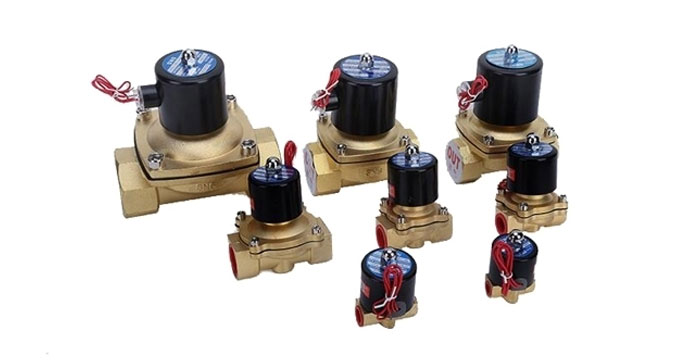
Choosing the Right Solenoid Valve Material
The first step in solenoid valve selection is not pressure—it is understanding the media.
Corrosive Media:
For corrosive or aggressive fluids, selecting the right solenoid valve material is essential to ensure durability and safe operation:
- Strong Corrosion: Use a diaphragm-type solenoid valve with an isolated structure to prevent the media from contacting internal metal components. Recommended materials include UPVC, CPVC, or stainless steel (SS316), which provide excellent corrosion resistance.
- Neutral media (water, air): Cast iron is not recommended due to rust contamination risk. Brass or stainless steel is preferred.
- Ammonia-based media warning: Copper-based valves are strictly prohibited due to chemical reaction risks. Use stainless steel or special alloys.
Viscosity & Cleanliness:
- Viscosity: Standard solenoid valves are suitable for media with a viscosity below 50 cSt.
- For higher viscosity fluids (>50 cSt), use multi-functional solenoid valves for pipe sizes above 15 mm.
- For smaller diameters, choose specialized high-viscosity solenoid valves to ensure proper operation.
- Cleanliness: If the media is not pure, a strainer/filter must be installed upstream.
- Under low-pressure conditions, direct-acting diaphragm valves offer better tolerance for impurities.
- For applications with frequent contamination, choose solenoid valves with removable or easy-to-clean internal structures to reduce downtime and maintenance costs.
Flow Direction:
If the media requires directional circulation and zero backflow, choose a solenoid valve with a check function or a bidirectional design.
Solenoid Valve Operating Environment
The environment determines the protection rating required for the coil and housing.
- Explosive & Harsh Environments: In hazardous areas, you must strictly match the Explosion-proof rating (e.g., explosion-proof solenoid valve). For outdoor or dusty sites, a waterproof and dustproof rating (IP65/IP67) is mandatory.
- Temperature Extremes: Both ambient and media temperatures must stay within the valve's rated range to prevent coil failure or seal aging.
- Mechanical Stress: For environments with vibration, collision, or shock (e.g., marine or mobile equipment), prioritize Anti-vibration specialized solenoid valves.
Pipeline Parameters & Pressure Dynamics
The physical integration of the solenoid valve into your pipeline determines both the safety threshold and the fluid dynamics of the entire system.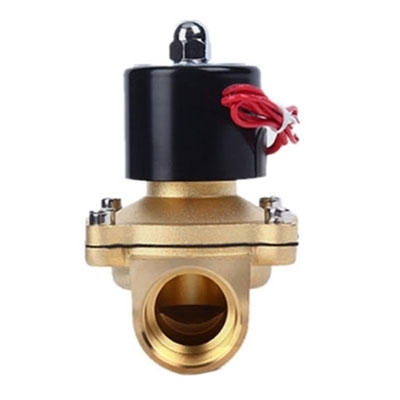
Rated Pressure:
- The rated pressure of the solenoid valve must always be higher than the maximum working pressure of the system.
- A safety margin is essential to prevent leakage, deformation, or failure under pressure fluctuations.
- For unstable or pulsating systems, it is recommended to select a solenoid valve with a higher pressure rating for added reliability.
- Always verify both the maximum pressure and pressure surge conditions when selecting a solenoid valve.
Working Differential Pressure:
- Indirect/Pilot Operated: Relies on the media's own pressure to open. Requires a minimum differential pressure (usually > 0.04MPa).
- Direct-Acting / Distributed Direct-Acting: These can operate even at zero differential pressure (e.g., vacuum or gravity flow systems).
Diameter Matching:
Proper sizing of the solenoid valve is critical for maintaining stable flow:
- Select the nominal diameter based on system flow requirements.
- The solenoid valve port size should match the pipeline’s internal diameter to minimize turbulence.
- Correct sizing helps prevent water hammer and reduces stress on the solenoid valve and pipeline system.
Power Supply & Electrical Configuration for Solenoid Actuation
- AC Power: High starting force and fast opening. Voltage fluctuations should be kept within +10%-15%.
- DC Power: Smoother operation with a tolerance of ±10%. If fluctuations exceed this, voltage stabilization is required.
- Power Consumption & Capacity Matching: The rated current and power consumption of the solenoid valve must match the available power supply capacity. Since AC solenoid valves have a higher inrush (VA) during startup, pilot-operated solenoid valves are recommended when power capacity is limited, as they consume less energy during continuous operation.
Optimizing Solenoid Valve Service Life
- Work System & Duty Cycle: For applications where the Solenoid Valve must remain energized (open) for extended periods and only close for brief intervals, a NO Solenoid Valve is the superior choice to prevent coil overheating and energy waste.
- Operating Frequency: When your process requires high-frequency switching, a Direct-acting Solenoid Valve structure is preferred due to its faster response time. For these high-cycle applications, AC power supplies typically offer more robust performance.
Frequently Asked Questions
Q1. How do I choose the right seal material (NBR, EPDM, Viton)?
A: The seal material is the "longevity gene" of a solenoid valve. Based on different working conditions, ATO provides the following recommendations:
- NBR is the recommended material as the “King of Value” in industrial use for general water, gas, or oil applications below 80°C. ATO Recommended Series: 2-Way NC Solenoid Valve (12V/24V/220V). Ideally suited for irrigation, air compressor drainage, and general fluid control with maximum cost-efficiency.
- EPDM is recommended due to its excellent heat and aging resistance for high-temperature water or steam applications below 120°C. ATO Recommended Series: 2-Way NC Solenoid Valve (24V/220V). Designed specifically for boiler systems and sterilization equipment, it effectively prevents the seal from hardening during continuous thermal cycling.
- Viton is recommended as the “Body Armor” for extreme conditions for harsh chemicals, acids/alkalis, or high-heat environments up to 150°C. Widely utilized in chemical dosing, fuel refining, and high-precision laboratory fluid control.
Consequence of Failure: Material mismatch leads to seals swelling, deforming, or disintegrating within days, resulting in severe internal or external leakage.
Q2. Should I choose a "Normally Open" or "Normally Closed" solenoid valve?
A: This depends on the valve's state during the majority of its operation, which directly impacts coil longevity.
- Normally Closed (NC): Best for "Short-term Open" scenarios (e.g., automatic flushing, quantitative filling), where the valve stays shut most of the time.
- Normally Open (NO): Best for "Long-term Open" scenarios (e.g., cooling circulation, safety exhaust), where the valve needs to stay open and only closes at specific moments.
Pro Tip: Avoid keeping a Normally Closed valve energized for more than 8 consecutive hours a day, or the coil may overheat and burn out.
Q3: Why shouldn't I just buy a valve with a larger diameter to be safe?
A: Many believe that "bigger is better," but this is a common misconception in fluid control. A diameter that is too large can lead to unstable plunger stroke control, causing oscillations.
ATO.com provides pneumatic solenoid valves and general solenoid valves for you. These solenoid valves are available in brass, aluminum, and stainless steel, and in various port sizes for selection. Buy now!
