
Potentiometer Price List
As a precise and indispensable instrument in the field of electricity, a potentiometer plays a crucial role in measuring voltage, current, and resistance. Its superior sensitivity and high-precision measurement performance make it an important component in scientific research, laboratory testing, and engineering applications. The price of potentiometers can vary widely depending on factors such as type, specifications, and quantity. In this article, ATO industrial automation will list the price of potentiometer for your reference.
ATO Potentiometer Price List
| Product | SKU | Resistance Value | Price |
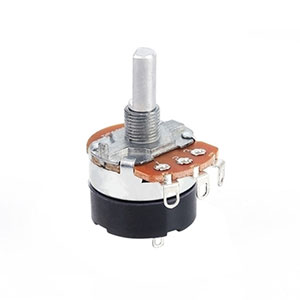 |
ATO-RP-100K | 100K ohm | $17.92 |
| ATO-RP-10K | 10K ohm | $17.86 | |
| ATO-RP-1M | 1M ohm | $17.97 | |
| ATO-RP-20K | 20K ohm | $17.86 | |
| ATO-RP-250K | 250K ohm | $17.92 | |
| ATO-RP-500K | 500K ohm | $17.95 | |
| ATO-RP-50K | 50K ohm | $17.89 | |
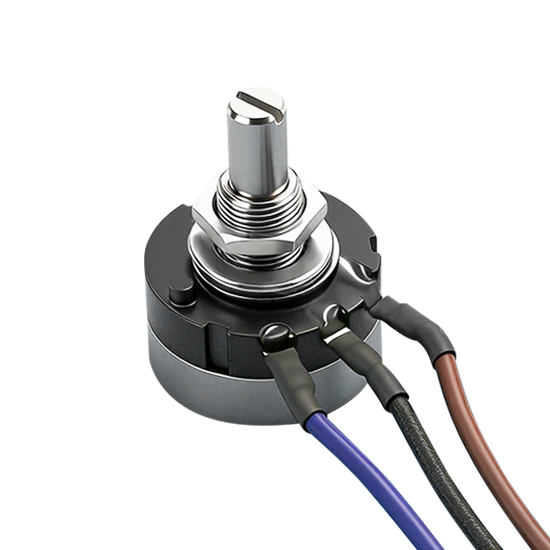 |
ATO-RP-RW | 1K/2K/5K/10K/20K ohm | $17.82 |
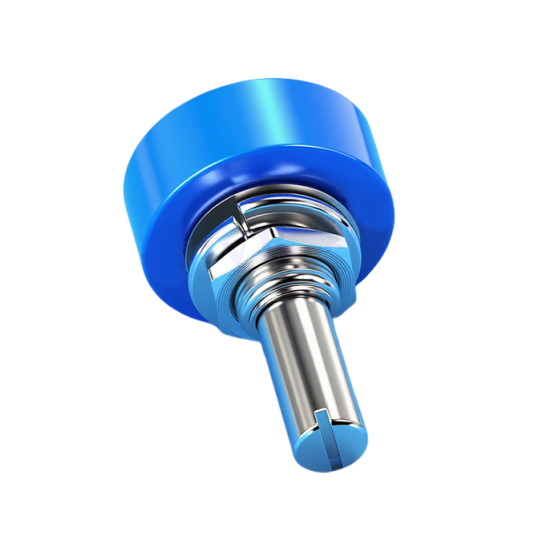 |
ATO-POT-CR | 1K/2K/5K/10K ohm | $17.85 |
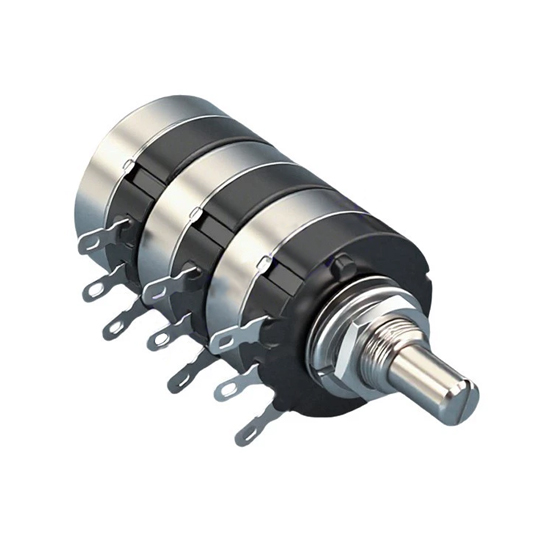 |
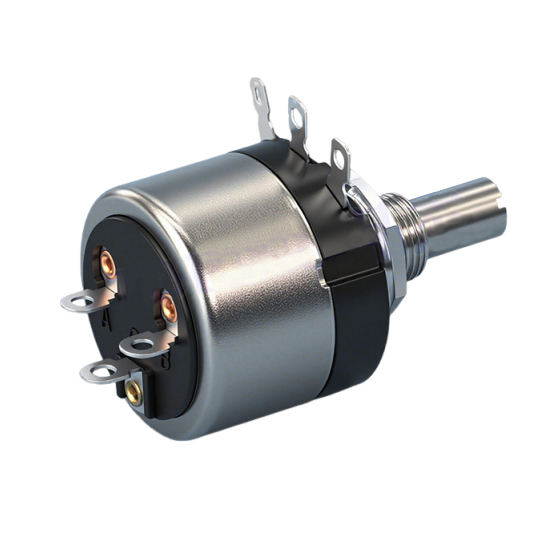
ATO-POT-MG | 100--2M ohm | $18.74 |
 |
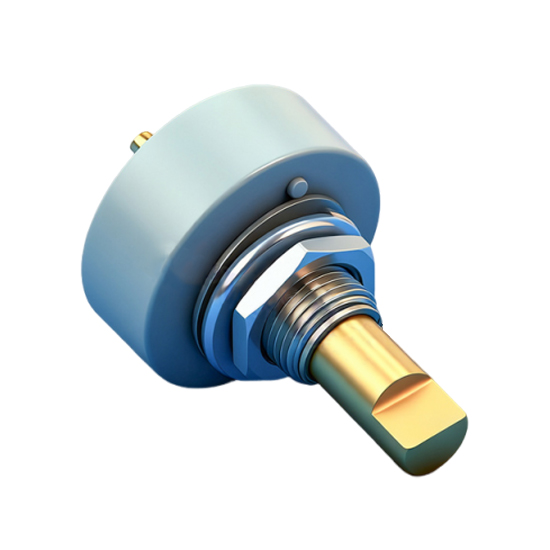
ATO-POT-WS | 5K/10K/500K ohm | $19.82 |
 |
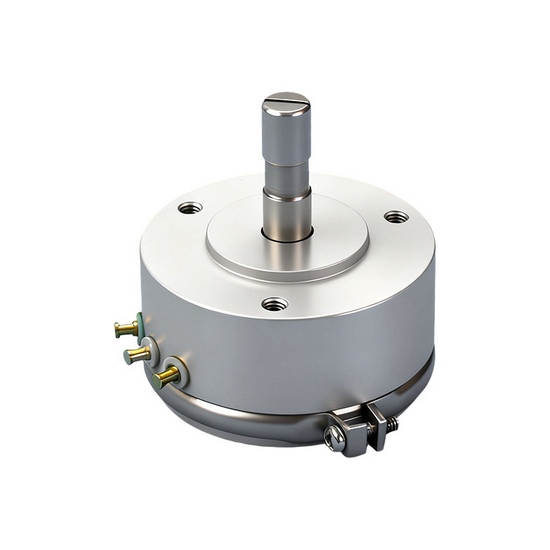
ATO-POT-GC | 10K ohm | $30.4 |
 |
ATO-POT-CP | 1K/2K/5K/10K ohm | $52.93 |
Note: The prices in the table list are for reference only. If want to get current quotation and other customized products information, please contact us now. Generally, you can get a discount on ATO.com.
Potentiometer Price Range by Type
Different types of potentiometers have different price ranges because their designs, materials, accuracy levels, and performance requirements vary. Standard potentiometers are usually more affordable due to their simple structure and suitability for general-purpose applications. In contrast, precision and industrial potentiometers are more expensive because they are designed with higher accuracy, better materials, stricter quality control, and improved durability for demanding applications.
| Potentiometer Type | Relative Price Level | Main Price Difference Factor |
| Rotary Potentiometer | Low to Medium | Standard design and high production volume |
| Linear Potentiometer | Medium | More complex structure and manufacturing process |
| Conductive Plastic Potentiometer | Medium to High | Premium material and higher performance requirements |
| Carbon Potentiometer | Low | Simple structure and low material cost |
| Cermet Potentiometer | Medium to High | Better precision, stability, and durability |
| Wirewound Potentiometer | Medium to High | Precision manufacturing and higher reliability |
| Digital Potentiometer | High | Electronic integration and advanced technology |
Potentiometers with simple designs and standard materials usually have lower prices, while precision potentiometers and digitally integrated potentiometers cost more due to higher manufacturing requirements and advanced functions.
Advantages of the Potentiometer
- High Precision: The potentiometer, with its simple structure and clear working principles, provides exceptionally high measurement precision, making it suitable for accurate potential difference measurements.
- Adjustability: The ability to adjust the resistance in the circuit by moving the sliding contact provides flexibility in controlling potential difference.
- Sensitivity: The potentiometer exhibits high sensitivity to potential variations, capable of detecting minute voltage differences, making it widely applicable in laboratories and research environments.
Choose the Right Potentiometer
- Choose the Right Potentiometer Type: The potentiometer type directly affects both price and performance. Standard rotary potentiometers are usually the most economical choice for general adjustment applications, while multi-turn and precision potentiometers are better suited for applications requiring higher accuracy and finer adjustment.
- Select Suitable Accuracy and Tolerance: Higher accuracy potentiometers usually have higher prices because they require tighter resistance tolerance and stricter manufacturing control. For basic control applications, standard tolerance models are often sufficient, while precision potentiometers should be selected only when higher accuracy is required.
- Match the Material to the Application: Potentiometer material affects cost, durability, and electrical performance. Carbon potentiometers are suitable for cost-sensitive applications, while conductive plastic and wirewound potentiometers are better choices when low noise, long lifespan, or high reliability is required.
- Avoid Choosing Unnecessary Specifications: Selecting higher specifications than required can increase costs without improving actual performance. Resistance value, power rating, rotation angle, mechanical life, and environmental protection should be selected based on the actual application conditions.
- Consider Total Cost: The lowest-priced potentiometer may not always be the most economical choice. A model with better durability and longer service life can reduce replacement and maintenance costs, especially in industrial applications or high-frequency adjustment environments.
FAQ
Q1: Are more expensive potentiometers always better?
A1: More expensive potentiometers are not always the best choice. The right potentiometer should match the required accuracy, lifespan, operating environment, and application needs. Choosing unnecessary high-performance specifications may increase costs without providing additional benefits.
Q2: What specifications should I compare before buying a potentiometer?
A2: Before buying a potentiometer, compare the specifications that have the greatest impact on compatibility and performance. The most important parameters include potentiometer type, resistance value, resistance taper, power rating, tolerance, rotation angle, shaft size, and mounting style. Choosing the right specifications helps ensure reliable performance while avoiding unnecessary costs.
Q3: Can I replace a potentiometer with a different resistance value?
A3: It depends on the application. In most cases, a potentiometer should be replaced with the same resistance value to maintain proper circuit performance. Using a different resistance value may change the output voltage, current, or adjustment range, so always check the equipment specifications before selecting a replacement.
Q4: Are custom potentiometers more expensive than standard models?
A4: Custom potentiometers usually cost more because they may require special resistance values, shaft dimensions, mounting designs, materials, or additional production processes. Standard models are usually more affordable due to established manufacturing processes and larger production volumes.
Q5: What information is needed to get a potentiometer quote?
A5: To get an accurate potentiometer quote, provide key specifications such as potentiometer type, resistance value, tolerance, power rating, shaft size, operating environment, and required quantity. These details help suppliers recommend suitable models and calculate accurate pricing.
As an important tool for electrical measurement, potentiometers have a simple structure and powerful functions, providing reliable potential difference measurement for scientific research, laboratory testing, and engineering applications. Its wide range of applications and irreplaceable position make it a gem in the field of electricity. In the future development of technology, potentiometers will continue to play their unique role and make greater contributions to electrical research and technological innovation.
