
How to Choose Pneumatic/Electric Diaphragm Pumps(2026)
This article provides a scientific selection solution covering material compatibility, flow rate, pressure, power source, and fluid properties to help you choose the right pneumatic/electric diaphragm pump.
Table of Contents
- Core Dimensions for Diaphragm Pump Selection
- Pneumatic vs. Electric Diaphragm Pump Comparison
- Effects of Fluid Physical Properties on Selection
- ATO Typical Diaphragm Pump Parameter Comparison
- Application-Specific Pump Recommendations
- Frequently Asked Selection Questions
1. Core Dimensions for Diaphragm Pump Selection
Structural Material Selection
The valve body is the most critical component of a diaphragm pump. There are 10 common types: Single-seat globe, double-seat globe, angle, diaphragm, low-flow, three-way, eccentric rotary, butterfly, sleeve, and ball valves. Selecting a diaphragm pump must meet 5 requirements:
- Wear resistance: For fluids with high-concentration abrasive particles, choose pumps with smooth flow paths and hard internal materials to reduce friction loss.
- Corrosion resistance: For corrosive media, select simple-structured valves that balance corrosion protection and regulation performance.
- Spool structure: Determine spool shape based on flow characteristics and unbalanced forces.
- Temperature and pressure: For high-temperature and high-pressure conditions, use stable spool and seat materials.
- Anti-flashing and cavitation: Avoid flashing and cavitation in liquid applications to reduce vibration, noise, and extend service life.
Flow Rate and Pressure Selection
Flow rate and pressure are mandatory indicators that directly determine transfer efficiency.
Flow Characteristic Selection
- Three common types for industry: linear, equal percentage (logarithmic), and quick opening.
- Quick opening: Used for on-off control and sequential control.
- Linear/equal percentage: Used for continuous regulation.
Pump Size Determination
Based on flow capacity (CV value), follow these steps:
- Determine calculated flow rates qmax and qmin.
- Measure pressure differential across the valve.
- Calculate maximum and minimum CV values.
- Select CV class per product standards.
- Check opening ratio: >90% at max flow, <10% at min flow.
- Verify actual turndown ratio < 10.
- Confirm seat and nominal diameter.
Actuator Selection
Output force: Actuators must overcome loads including unbalanced force, friction, and sealing force to ensure tight shutoff and full opening.
Type matching:
- Hazardous areas choose pneumatic actuators
- Energy-saving applications choose electric actuators
- High-precision regulation choose hydraulic actuators
2. Power Source: Pneumatic vs. Electric Diaphragm Pumps
| Item |
Pneumatic Diaphragm Pump (AODD)
|
Electric Diaphragm Pump (EODD)
|
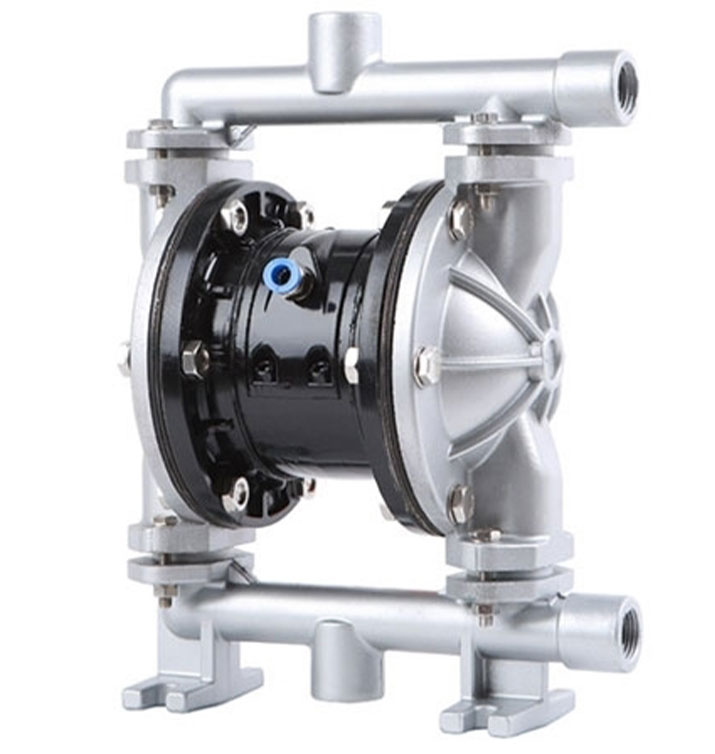
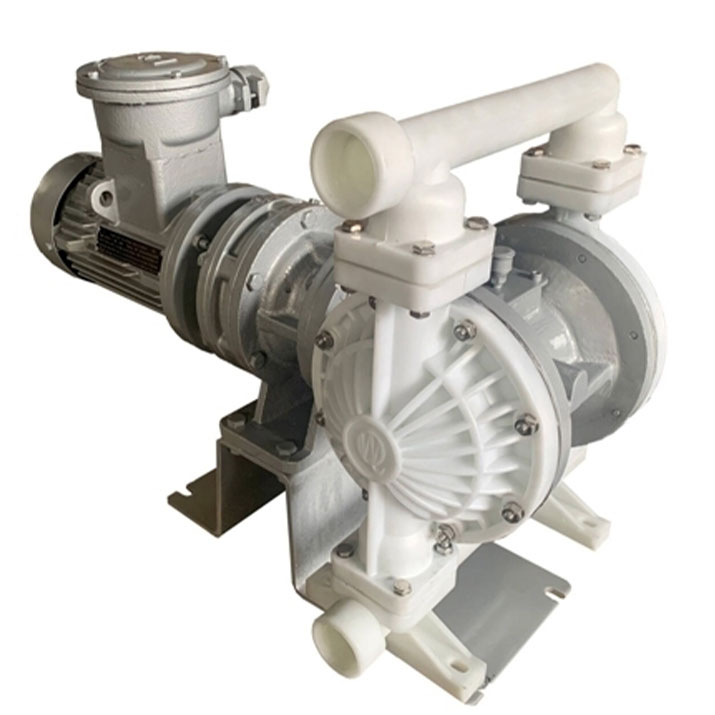
| Power Source | Compressed Air | 220V/380V Electricity |
| Installation Cost | Low (air line connection only) | High (wiring + control cabinet required) |
| Operating Cost | High (high air consumption) | Low (high energy efficiency) |
| Pressure Control | Simple (adjust inlet air pressure directly) | Complex (inverter or speed controller required) |
| Explosion Protection | Intrinsically safe | Additional explosion-proof configuration required |
| Maintenance | Simple structure, easy to disassemble | Relatively complex mechanical structure |
| Max Pressure | Limited by air supply (typically <8.4 Bar) | Higher pressure available via reducer |
3. Effects of Fluid Physical Properties on Selection
Viscosity
Viscosity affects pressure drop and volumetric efficiency directly:
- High viscosity (>5,000 cps, e.g., honey, adhesives):
Must use pneumatic diaphragm pumps; reduce stroke speed to prevent cavitation.
Recommended: ATO 1” or larger to reduce flow resistance. - Low viscosity (<100 cps, e.g., solvents, light oil):
Focus on seals; PTFE may have slight permeation.
Recommended: ATO integrated diaphragm to minimize sealing joints.
Solids Content
Solids cause severe wear on valve balls and seats:
- Wear-resistant materials: Santoprene or polyurethane (PU) balls and diaphragms with strong resilience.
- Particle passage: ATO 2” pneumatic pumps allow particles up to 6.4 mm.
- Oversized particles: Install ATO Y-strainers at the inlet.
4. ATO Typical Diaphragm Pump Parameter Comparison
Next, we will compare ATO typical diaphragm pump, mainly in terms of max flow rate, max pressure, power/air consumption and material options.
| Item | 3/8" AODD (ATO-AODD-10) | 1/2" EODD (ATO-EODD-15) | 1" EODD (ATO-EODD-25) |
| Max Flow Rate | 18.9 L/min (5 GPM) | 12.5 L/min (3.3 GPM) | 66.2 L/min (17.5 GPM) |
| Max Pressure | 0.7 MPa (100 PSI) | 0.4 MPa (60 PSI) | 0.4 MPa (60 PSI) |
| Power/Air Consumption | 9.0 SCFM | 0.55 kW | 1.5 kW |
| Material Options | Aluminum/Stainless Steel/PP | Cast Iron/Stainless Steel/PP | Cast Iron/Stainless Steel/PP |
5. Application-Specific Diaphragm Pump Recommendations
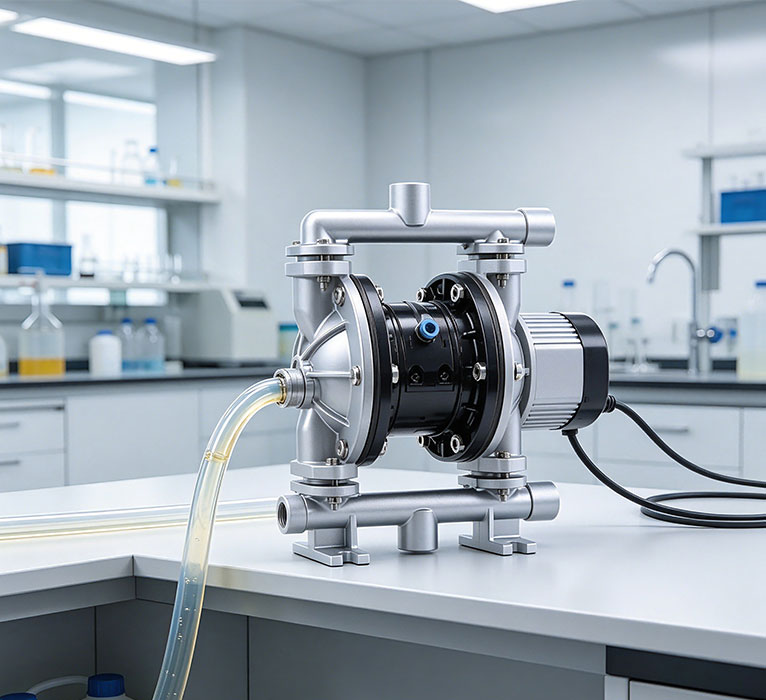
Scenario A: Fine Chemical Laboratory / Small-Flow Dosing
Conditions: Corrosive chemicals, limited space, ~10 L/min flow
Recommendation: ATO 3/8” PP pneumatic diaphragm pump
Reasons: PP offers excellent acid/alkali resistance; strong self-priming (2.5–3 m); compact for integration.
Scenario B: Paint Spraying / Ceramic Slurry Transfer
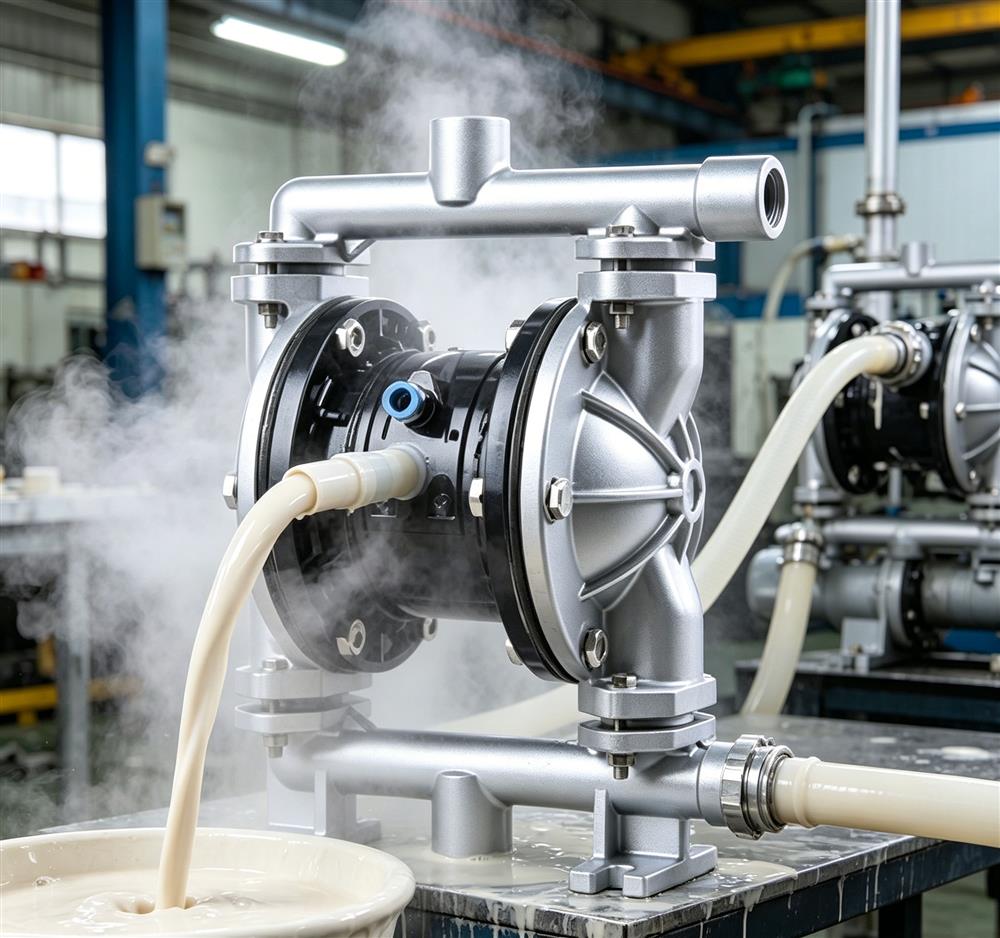
Conditions: High viscosity, abrasive, stable pressure for uniform spraying
Recommendation: ATO 1/2” stainless steel/aluminum pneumatic diaphragm pump
Reasons: Low shear preserves fluid properties; precise pressure control with regulator.
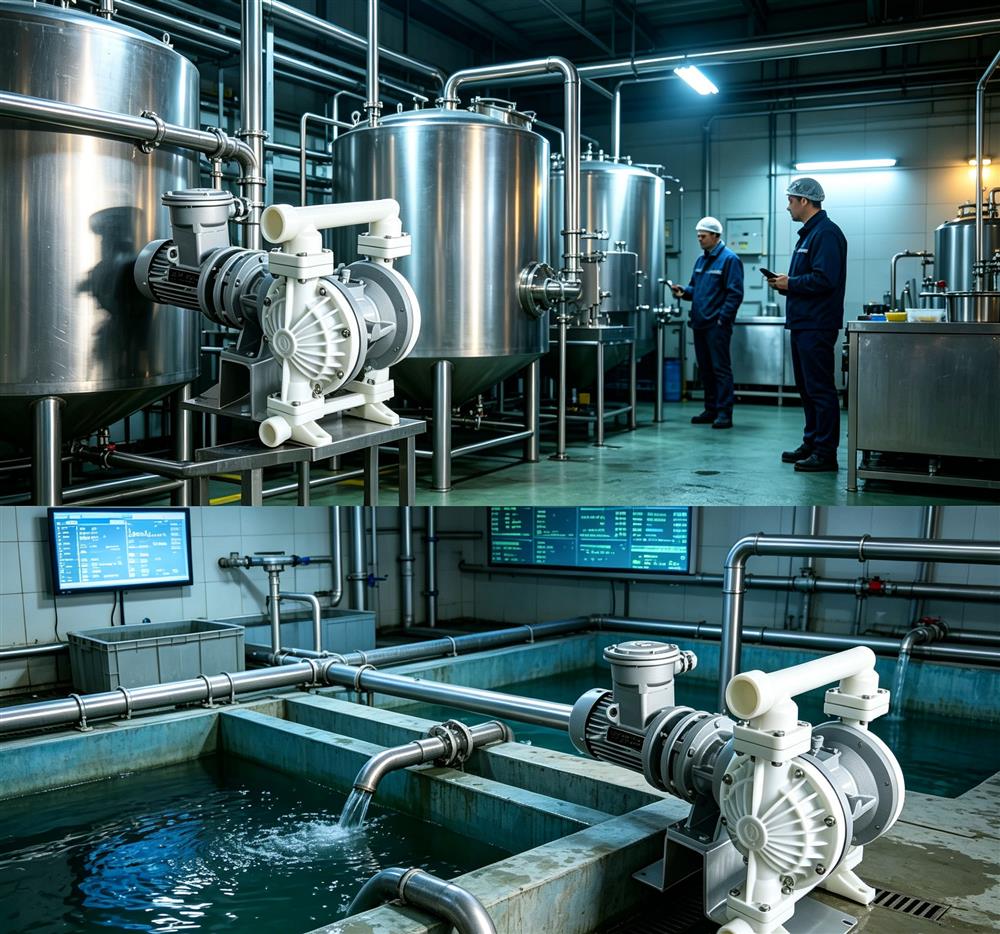
Scenario C: Food Production / Factory Wastewater Circulation
Conditions: 24/7 continuous operation, limited air supply, low energy cost
Recommendation: ATO 1” 1.5 kW electric diaphragm pump
Reasons: High energy efficiency; stable 66 L/min flow; long maintenance intervals.
6. Diaphragm Pump Selection FAQ
Q1: Are pneumatic diaphragm pumps the only choice for explosion-proof workshops?
A1: Pneumatic models are preferred (intrinsically safe). Electric pumps can be used with certified explosion-proof configurations.
Q2: What materials are best for slurry with solid particles?
A2: Santoprene and PU are recommended for wear resistance. Use strainers for large particles.
Q3: Pneumatic or electric for long-term continuous operation?
A3: Pneumatic if air supply is sufficient; electric for lower energy consumption.
Conclusion
Diaphragm pump selection depends on fluid, flow rate, pressure, power source, and application. For precise CV value, size, and pressure matching, consult ATO One-Stop Industrial Automation Store for professional support.
