
How to Choose a Door Opener?
Whether you are looking for the latest smart door opener that integrates seamlessly with other connected devices or a reliable and cost-effective solution, you can choose a system that not only meets your current needs but also delivers dependable performance for years to come.
This blog will guide you through the most important considerations, from required power and control systems to smart home integration and safety features. Keep reading, and ATO Industrial Automation will provide a detailed introduction on how to select the most suitable door opener for your property.
Choosing the right door opener depends on several key factors:
- Understand Door Opener Drive Type
- Match Opener Power to Door Weight and Size
- Check Door Opener Safety Features
- Smart Features You Actually Need
- Door Opener Applications
- Why Choose an ATO Door Opener
- Frequently Asked Questions
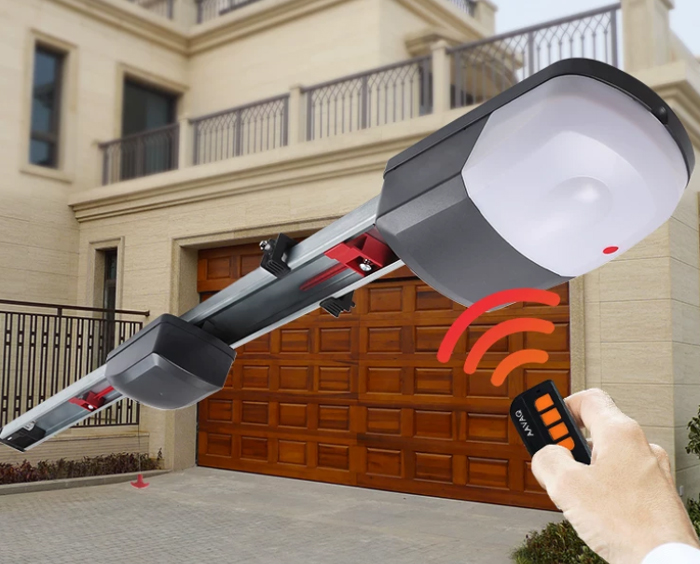
What Door Opener Drive Types Should You Know
Before selecting a door opener, it is important to understand the drive type because it directly affects noise level, durability, maintenance cost, and overall performance. Different drive systems are designed for different usage environments and door weights.
Chain-Drive Door Openers
- Chain-driven door openers use a metal chain to move the door. They are known for durable, powerful door lifting.
- Best for heavy garage doors and industrial applications.
- More noise compared to other types, but highly reliable.
Belt-Drive Door Openers
- Belt-driven door openers use a reinforced rubber or polymer belt instead of a chain.
- Ideal for residential use where quiet operation is important.
- Smooth performance and low vibration, suitable for attached garages or indoor spaces.
Screw-Drive Door Openers
- Screw-Drive door openers use a threaded steel rod to move the door with fewer moving parts.
- Requires less maintenance and performs well in moderate climates.
- Faster operation, but may be affected by temperature changes in extreme environments.
Wall-Mounted (Jackshaft) Door Openers
- Wall-Mounted (Jackshaft) door openers are mounted along a stationary chain or are mounted beside the door.
- Suitable for high ceiling garages or space-limited installations.
- Quiet, efficient, and increasingly used in modern smart garage systems.
Pro tip: Choose your door opener based on your specific needs:
- Chain drive door opener for heavy-duty and industrial use
- Belt drive door opener for quiet residential environments
- Screw drive door opener for low-maintenance needs
- Jackshaft drive door opener for space-saving or smart home setups
How Do You Match Opener Power to Your Door Size and Weight
Choosing the correct power (horsepower) or torque is one of the most important steps in selecting a door opener. If the power is too low, the system may struggle to lift the door; if it is too high, it can increase cost and energy consumption unnecessarily. Proper sizing ensures smooth, safe, and long-term operation.
How to Match Power With Door Specifications
Here’s a practical table based on the door’s weight and size:
| Door Type | Door Size | Recommended Power | Equivalent Power (W) |
| Standard Single Steel Door | 8×7 ft | ½ HP | ~370 W |
| Insulated or Double-Layer Steel Door | 16×7 ft | ¾ HP | ~560 W |
| Extra-Large, Wood, or High-Lift Doors | Larger than 16×7 ft | 1–1¼ HP | 750–930 W |
| Heavy-Duty Custom Wood or Wind-Resistant Doors | Any | Consult a Professional | / |
Key Factors Affecting Door Opener Power Selection
- Door weight: Heavier doors need a stronger lifting force
- Door size: Larger doors create more resistance to movement
- Door material: Steel and wood require more power than aluminum
- Usage frequency: High-cycle doors demand more durable motors
- Environmental conditions: Wind, temperature, and friction affect the load
Risks of Incorrect Power Selection
- Too Low: Slow operation, motor overheating, increased maintenance
- Too High: Unnecessary cost, energy waste, reduced efficiency for light-duty doors
Pro tip: Always choose a door opener that slightly exceeds your calculated load. This provides a safety margin, improves reliability, and ensures smooth operation under real-world conditions.
What Safety Features Are Essential in a Door Opener
Safety is one of the most important factors when selecting a door opener. A well-designed system not only improves convenience but also prevents accidents, protects property, and ensures compliance with safety standards.
- Automatic Reverse: The door opener automatically reverses if it detects an obstacle during closing. This feature is essential for preventing injury to people, pets, or vehicles.
- Photo-Eye Safety Sensors: Infrared sensors installed near the ground detect movement or objects in the door opener’s path. These sensors are commonly required for residential garage door openers and commercial entrances.
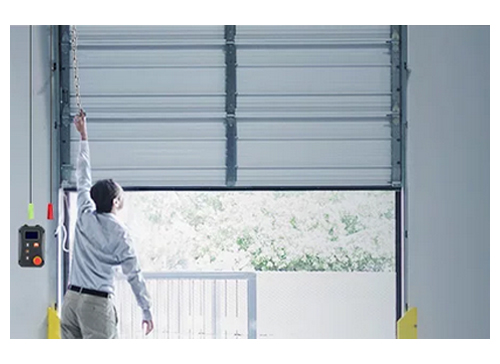
- Manual Release / Emergency Unlock System: Allows the door opener to be operated manually during power outages or system failures, which is critical for emergency situations.
- Overload Protection System: The door opener stops or shuts down the motor when excessive load is detected, helping prevent motor damage and overheating.
- Soft Start & Soft Stop Function: Ensures the door opener starts and stops gradually instead of sudden movement, reducing mechanical stress and improving safety.
- Child and Pet Safety Protection: Prevents accidental activation or injury caused by unintended operation of the door opener, which is important for residential homes.
- Safety Certification (UL / CE / ISO Standards): Ensures the door opener meets international safety and performance requirements. This is highly recommended for all commercial and industrial installations.
Pro tip: If your door opener will be used in a home with children or pets, don't focus solely on motor power. Safety features such as Safety Obstruction Sensing, Speed Regulation, and emergency manual release are often more important than horsepower alone. A 60W garage door opener is usually a better long-term investment than a high-power model with limited safety features.
Which Smart Features Are Worth It in a Door Opener
Modern door openers come with many smart functions, but not all features are necessary for every user. The key is to focus on practical features that improve safety, security, and real-world convenience rather than unnecessary complexity.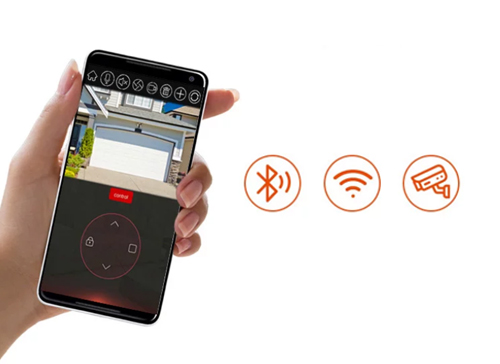
Battery Backup (Power Outage Protection)
- Ensures your door opener can still open and close the door during blackouts
- Provides safe entry and exit in emergency situations
- Strongly recommended in regions with an unstable power supply
- In some states, such as California, it is even required by regulation for certain installations
Wi-Fi Connectivity / Smartphone Control
- Open or close the door remotely from anywhere
- Check real-time door status (open, closed, or in use)
- Receive alerts if the door opener is left open or accessed
- Integrate with smart home systems for automation
- This feature is especially useful for homeowners who travel frequently or manage multiple properties.
Rolling Code Security Technology
- The access code changes automatically every time the door opener remote is used
- Prevents signal copying or hacking attempts
- Enhances protection against unauthorized entry
- Widely used in both residential and commercial door opener systems
What Are the Applications of Door Openers
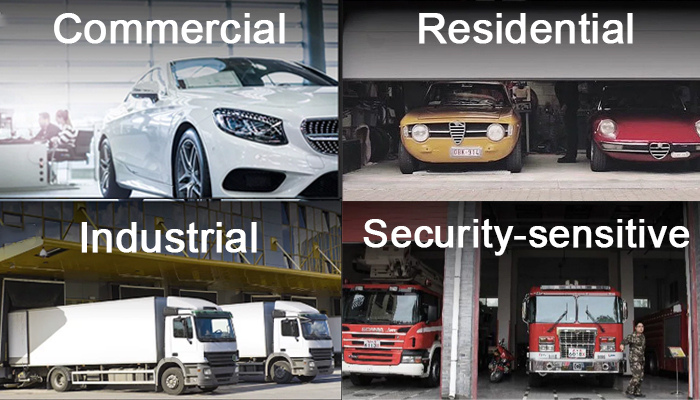
Door openers are widely used across residential, commercial, and industrial settings to improve convenience, safety, and efficiency.
- Residential: Automate garage doors, driveway gates, and interior doors, improving everyday convenience and home safety.
- Commercial: Installed in offices, malls, hotels, and parking facilities to manage high traffic flow and ensure secure, reliable operation.
- Industrial: Used in warehouses, factories, and loading docks to handle heavy industrial door openers with frequent use, providing durability and consistent performance.
- Specialized: Applied in smart homes, security-sensitive facilities, and custom large-scale doors to deliver automated, controlled access with high reliability.
Why Choose an ATO Door Opener
ATO.com specializes in industrial automation products, offering high-quality professional door openers designed for both residential and industrial applications.
- Wide Range of Options: Offer various types of door-opening devices, including 1000W, 800W, and 500W industrial door openers. You can choose any of them as per your needs, and they are compatible with different door sizes and weights.
- High Lifting Capacity: Swing gate openers can pull 800 kg, 400 kg swing gate openers, and the super high cost-performance is your reason to choose them.
- Cost-Effective Performance: ATO.com provides door openers that deliver excellent value, combining durability and efficiency for heavy-duty use.
- Versatile Garage Door Openers: High-quality ATO garage door motor with 60W, 80W, and 120W allows selection based on your door area and lifting requirements.
- Adjustable Lifting Heights: Door opener support heights from 2.4 m to 3.4 m, giving flexibility for different installations.
- Comprehensive Accessories: Compatible accessories, making installation faster and easier, and ensuring smooth operation of your door system.
Pro Tip: Choosing an ATO door opener ensures reliable operation, high performance, and long-term durability. Whether for a residential garage, villa gate, or industrial door, ATO.com provides the right door opener for your needs, with accessories and support to simplify installation and use.
Frequently Asked Questions
Q1: How long does a standard residential door opener typically last?
A: With normal daily use and minimal maintenance, a high-quality residential door opener typically lasts between 10 and 15 years. You can maximize this lifespan by performing a few simple maintenance tasks once or twice a year, such as lubricating the metal tracks and hinges, cleaning the safety sensors, and testing the door's balance to make sure the door opener isn’t under unnecessary strain.
Q2: What happens if the door opener's power goes out? Will I be trapped inside or locked out of my garage?
A: No, you will not be trapped. Every door opener features a manual emergency release, which is typically a red rope with a handle hanging from the overhead track. Pulling this cord disconnects the motor from the door, allowing you to manually lift or close it. If you live in an area prone to frequent blackouts or heavy storms, the best solution is to buy a DC door opener with a built-in battery backup.
Q3: Does weather or extreme temperature affect how my door opener performs?
A: Yes, extreme temperatures can significantly impact your door opener. In freezing winter weather, the lubricants on the screw drive or metal tracks can harden and thicken, causing the motor to work harder and occasionally stall. Additionally, metal tracks contract in the cold and expand in extreme summer heat, which can cause binding or misalignment.
