
Heat Gun Price List
Heat guns are handheld power tools that generate concentrated hot airflow to heat, soften, or strip materials for construction, repair, and DIY tasks. Understanding heat gun prices can save you time and money. ATO Shop provides a heat gun price list to help you select the best model for your specific needs, while maximizing productivity and long-term value.
Typical Heat Gun Price Range
| Price Range | Typical Wattage | Features | Best For |
| $20 – $50 | 1000W – 1600W | Basic temperature control, low airflow, occasional use | Light DIY, crafts, small repairs |
| $50 – $100 | 1600W – 1800W | Better temperature stability, adjustable airflow, safety features | Home maintenance, automotive repair, electronics |
| $100 – $200+ | 1800W – 2000W | Digital temperature control, high airflow, durable build, continuous operation | Professional or industrial use |
What Affects the Price of a Heat Gun?
- Power Rating (Wattage): Higher wattage heat guns heat faster and handle larger surfaces, but they usually cost more.
- Temperature Control: Digital or LCD-adjustable heat guns are more expensive but provide precise heating for professional applications.
- Airflow Capacity: Higher airflow (350–500L/min) improves efficiency for large tasks like paint stripping or shrink wrapping.
- Build Quality & Safety Features: Overheat protection, ergonomic handles, and insulated housings can raise the price but reduce the risk of accidents.
- Brand and Industrial Grade: Professional tools from established brands cost more but last longer and maintain consistent performance.
ATO Heat Gun Price Comparison Table
| Model | Power | Temperature Range | Airflow | Price | Application |
|
|
1600W | 50-550°C | 500L/min | $69.78 | Electronics, heat shrink tubing |
|
|
1600W | 100-480°C | 350L/min | $79.86 | General DIY projects |
|
|
1800W | 100-480°C | 350L/min | $69.78 | Home repair |
|
|
1800W | 100-480°C | 350L/min | $72.69 | Automotive repair |
|
|
1800W | 100-480°C | 350L/min | $82.79 | Professional users |
|
|
2000W | 50-550°C | 350L/min | $96.76 | Industrial maintenance |
|
|
2000W | 50-650°C | 500L/min | $96.76 | Heavy-duty industrial work |
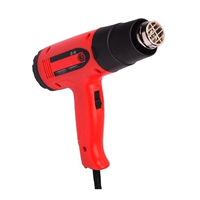
Heat Gun vs Soldering Gun
Heat guns and soldering guns are often confused, but they are designed for completely different applications. One is used for general surface heating, while the other is used for precise electronic soldering.
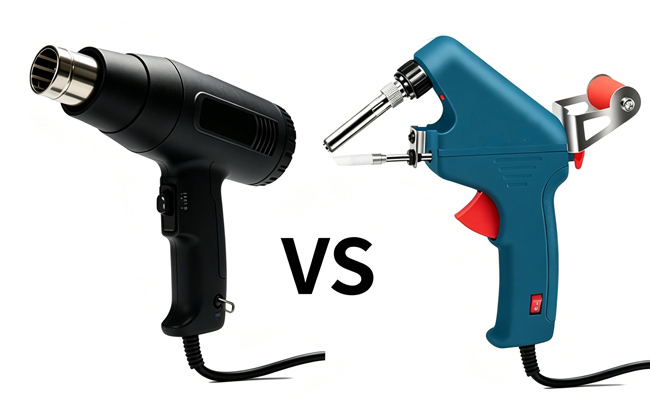
| Feature | Heat Gun | Soldering Gun |
| Heating Method | Hot air flow | Direct tip heating |
| Heating Area | Large surface area | Small, precise point |
| Main Purpose | Paint removal, plastic bending, shrink tubing | Electronics repair, circuit board soldering |
| Precision Level | Low to medium | High precision |
| Temperature Control | Adjustable air temperature | Fixed or controlled tip temperature |
| Typical Applications | Automotive repair, DIY, industrial heating | PCB repair, wiring, jewelry repair |
| Skill Requirement | Beginner-friendly | Requires more precision skill |
| Risk of Damage | Higher on small components | Lower for delicate electronics |
Which Heat Gun Is Best for DIY Projects?

For most homeowners and hobbyists, a 1800W heat gun provides the best balance between price and performance.
An 1800W model can easily handle:
Paint stripping
Sticker and decal removal
Heat shrink tubing
Plastic forming
Adhesive softening
Small automotive repairs
Compared with lower-power tools, 1800W heat guns heat up faster and maintain more stable temperatures during extended use.
If you regularly switch between different tasks, a model with an LCD allows for more precise temperature adjustments and better repeatability.
Best Heat Gun for Industrial Applications
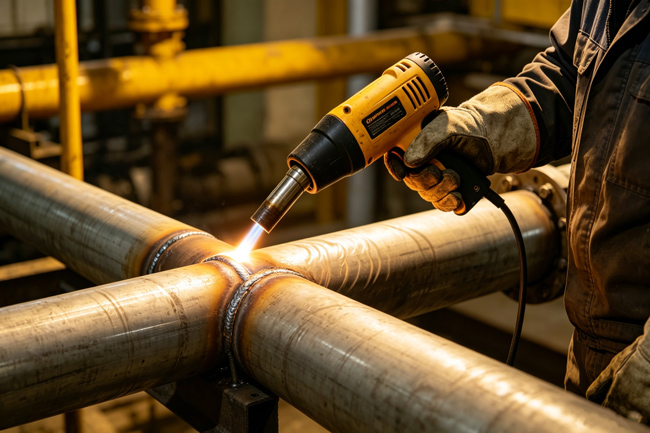
Industrial users often require higher temperatures, greater airflow, and longer operating cycles.
A 2000W heat gun is recommended for:
Plastic welding
PVC pipe bending
Shrink packaging
Equipment maintenance
Industrial manufacturing
Cable installation
These models typically feature wider temperature ranges and higher airflow volumes, making them suitable for demanding environments.
When choosing a heat gun for industrial applications, temperature stability is often more important than maximum temperature alone.
Common Mistakes When Choosing a Heat Gun
- Choosing the Wrong Power Rating: Selecting a heat gun that is too weak or too strong for your project can reduce efficiency or cause material damage.
- Ignoring Temperature Range and Control: Different tasks need different heat levels. Paint removal may require 300–500°C, while heat shrink tubing only needs 150–250°C. Adjustable or digital temperature control ensures precise results.
- Overlooking Airflow Volume: Low airflow may heat surfaces unevenly. 350L/min is enough for most DIY, while 500L/min is better for large surfaces and industrial use.
- Neglecting Safety Features: Overheat protection, a stand for safe resting, and an insulated handle are essential to avoid accidents.
- Disregarding Ergonomics: Heavy or poorly shaped heat guns can cause hand fatigue. Consider grip, weight, and comfort for longer use.
- Ignoring Extra Features: Interchangeable nozzles, memory settings, and LCD improve control and efficiency.
- Confusing Heat Guns with Soldering Guns: Heat guns are not for soldering electronics. Use a soldering gun or iron for precise PCB or wiring work.
Frequently Asked Questions
Q: How much does a heat gun cost?
A: Heat gun prices typically range from $20 to $200 or more, depending on power, temperature control, airflow capacity, and professional features. DIY models are usually more affordable, while industrial heat guns offer advanced controls and higher durability.
Q: Is a heat gun safe to use indoors?
A: Yes, a heat gun can be used indoors when proper safety precautions are followed. Ensure good ventilation, keep flammable materials away, and avoid directing hot air toward people or sensitive objects.
Q: How hot can a heat gun get?
A: Most heat guns operate between 100°C and 650°C (212°F–1202°F). Industrial models may offer even higher temperatures for specialized applications.
Q: Can a heat gun replace a soldering gun?
A: No. A heat gun is designed for heating larger surface areas, while a soldering gun provides concentrated heat for electronic soldering and wiring tasks. They serve different purposes and are not interchangeable.
Conclusion
Choosing the right heat gun depends on your application, budget, temperature requirements, and airflow needs. Whether you're a DIY enthusiast, automotive technician, or industrial professional, this heat gun price list from ATO Shop helps you compare prices, features, and specifications to make an informed purchasing decision.
