
How to Choose the Shore Hardness Tester
Choosing the right Shore Hardness Tester is crucial for accurate material testing, whether you are working with rubbers, plastics, foams, or other materials. This guide will help you understand the different digital Shore hardness testers and durometer hardness testers, as well as the selection criteria, while introducing our product lineup to make selection easier.
How a Shore Hardness Tester Works?
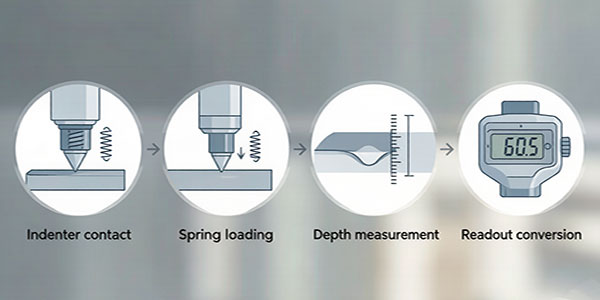
A Shore hardness tester (also called a durometer) is a device used to measure the hardness of rubbers, plastics, and elastomers. The Shore hardness tester works by pressing a spring-loaded indenter into the material and provides readings on Shore scales like A (softer materials) and D (harder plastics). This makes it ideal for quality control, product testing, and material selection in industrial and manufacturing applications.
Key points:
- Common scales: Shore 00, O, A, C, D
- Digital models offer ±1H accuracy and 0.1H resolution
- Portable units allow on-site testing for production lines or fieldwork
Using the correct scale ensures reliable, repeatable results for soft, medium, or hard materials.
Why Material Type Determines Your Shore Hardness Tester Choice?
Not all materials respond the same way when tested with a Shore hardness tester. Using the wrong scale can produce readings that are out of range or completely inaccurate. Understanding your material’s characteristics is the first step before any purchase.
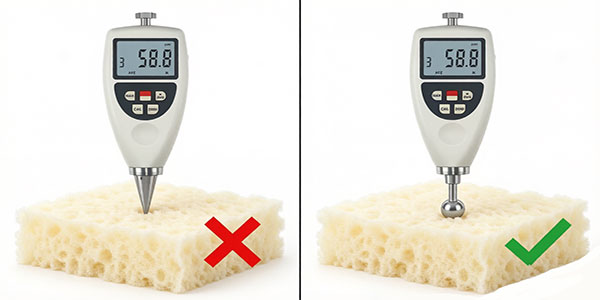
- Soft materials: Sponge, foam, EVA, and very soft rubber should be measured with a Shore 00 hardness tester or a Shore A hardness tester. Using a Shore A tester on foam may give a false reading because the indenter penetrates too easily.
- Medium-hard materials: Soft rubber, leather, wax, felt, and thermoplastic elastomers are best tested with a Shore A hardness tester (also called a durometer Shore A hardness tester). This is the most common rubber hardness tester and the go-to Shore hardness tester for most rubber applications.
- Hard materials: Hard rubber, rigid plastics, and hard thermoplastics require a Shore D hardness tester or a digital Shore D hardness tester. For extra-hard industrial components, a Shore D durometer hardness tester is the correct choice.
Selecting the correct Shore scale ensures accurate and repeatable measurements for quality control, R&D, or in-process testing. Whether you need a digital Shore hardness tester for a laboratory or a portable hardness tester for field use, always start by identifying your material’s hardness range.
Which Shore Hardness Scale Should You Choose?
This guide helps you match different material types in the ATO shop with the appropriate Shore scale, featuring our range of digital Shore hardness testers.
| Shore Scale | SKU | Key Feature | Common Applications |
| Shore 00 | ATO-SHT-SOO20 | R1.2 spherical | Foam seals, medical padding, soft sponges |
| Shore O | ATO-SHT-SO20 | R1.2 spherical | Soft grips, textile windings, flexible padding |
| Shore A | ATO-SHT-SA2090 | 0.79 truncated cone | O-rings, shoe soles, conveyor belts, rubber rollers |
| Shore B | ATO-SHT-SB9020 | R0.1 cone, USB | Paper rolls, fiberboards, moderately hard rubber |
| Shore C | ATO-SHT-SC9020 | 0.79 cone, USB | TPE grips, rubber mounts, automotive parts |
| Shore DO | ATO-SHT-SDO9020 | R1.2 spherical | High-density textile rollers, industrial windings |
| Shore E | ATO-SHT-SE9020 | R2.5 spherical | Foam sheets, EVA soles, packaging foams |
| Shore D | ATO-SHT-SD90 | R0.1 cone | Hard plastic gears, rigid pipe fittings, and industrial casters |
Key Tips:
- Rubber materials: Soft rubber needs a Shore A hardness tester; hard rubber needs a Shore D hardness tester or a digital Shore D hardness tester.
- Foam and sponge: Always choose a Shore 00 hardness tester or a Shore O hardness tester.
- Multiple materials: Consider owning more than one scale. All our testers are digital shore hardness testers and portable hardness tester devices, ensuring high accuracy and convenience wherever you work.
Key Factors to Consider Before Buying a Shore Hardness Tester
Before you finalize your purchase, run through this checklist to avoid common mistakes:
- Identify hardness range: Use sample pieces or known reference values to determine the exact hardness of your material. This helps you narrow down which Shore scale is appropriate before you even look at testers.
- Select Shore scale: Choose from 00, O, A, C, or D using the comparison table above. Matching the correct scale to your material is the single most important factor for accurate readings.
- Digital vs. analog: A digital shore hardness tester gives you 0.1H resolution and eliminates reading errors caused by human interpretation. For consistent quality control, digital is always the better choice.
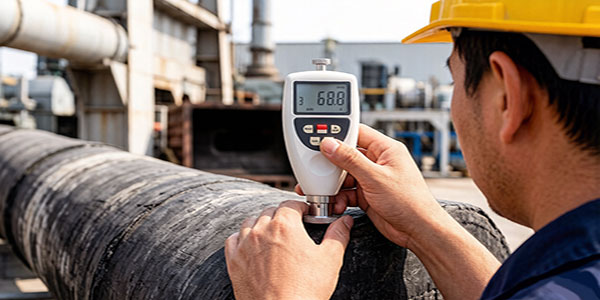
- Portability need: If you test on production lines or outdoors, a portable hardness tester is essential. All our models are portable, so you can take accurate measurements wherever your work takes you.
- Data output: USB transmission (available on Shore B and C models) helps with documentation and traceability. This feature is especially useful for regulated industries or long-term material studies.
- Calibration & Certification: Regular calibration is recommended every 6–12 months to ensure long-term accuracy and look for devices with ISO 9001 / ISO 17025 calibration certificates or ASTM-compliant testing reports.
Using this checklist, you can confidently choose a shore hardness tester that fits both your material and your working environment.
FAQs About Shore Hardness Testers
Q1. What is the difference between a durometer and a Shore hardness tester?
A: No difference. Both terms refer to the same device that measures hardness using Shore scales (00, A, D, etc.).
Q2. Which Shore hardness tester is best for different types of rubber?
A: Use Shore A for soft to medium-hard rubber, and Shore D for hard rubber.
Q3. Should I use a digital or portable Shore hardness tester?
A: Digital provides higher accuracy (0.1H resolution); portable allows on-site testing. Many models offer both.
Q4. What materials should I test with a Shore 00 hardness tester?
A: Extremely soft materials like foam, sponge, EVA, and very soft rubber.
Q5. How do I choose between Shore C and Shore D hardness testers?
A: Shore C for medium-hard plastics and rubber parts; Shore D for hard plastics and rigid rubber.
Conclusion
Choosing the right Shore hardness tester is essential for achieving accurate and repeatable measurements across soft, medium, and hard materials. By selecting the correct Shore scale and using a certified, regularly calibrated digital or portable Shore hardness tester, you ensure reliable results for quality control, R&D, and industrial applications. Investing in an ISO/ASTM-compliant Shore hardness tester not only improves testing credibility but also streamlines material verification processes for rubbers, plastics, elastomers, and other materials.
