
How to Choose a Flow Meter: 5-Step Guide
Choosing the right industrial flow meter is critical to measurement accuracy, process stability and operating costs. Based on the ISA 2026 standard and the practical S.T.A.M.P. selection method, this 5-step guide helps you quickly match electromagnetic, coriolis mass, ultrasonic, vortex and other flow meters to liquid, gas or steam working conditions, covering accuracy, temperature, pressure, installation and maintenance for global industrial users.
Table of Contents
- Core Selection: S.T.A.M.P. Checklist
- 2026 Flow Meter Comparison
- 5-Step Flow Meter Selection
- Installation & Maintenance
- FAQ
- Conclusion & ATO Recommendation
1. Core Selection Logic: S.T.A.M.P. Checklist
In industrial automation, flow meter selection directly determines measurement accuracy and operating costs. According to the International Society of Automation (ISA), about 60% of process control issues are caused by incorrect instrument selection. This guide follows the ISA 2026 standard and uses the S.T.A.M.P. method to help you select the best flow meter quickly.
- S (Size & Range)
Confirm pipe diameter, normal flow rate, and min/max flow. Select meters with a suitable turndown ratio. - T (Temperature)
Define the operating temperature range to choose proper lining, electrodes, and sensor materials. - A (Application)
Custody transfer: High-precision flow meters
Process monitoring: Stable and durable instruments
Temporary measurement: Portable non-intrusive meters - M (Media Properties)
Identify liquid/gas/steam; check conductivity, corrosion, particles, and viscosity. - P (Pressure & Pressure Loss)
Confirm maximum working pressure. Low-pressure systems prefer zero/low-pressure loss meters.
2. 2026 Flow Meter Comparison
Next, we will compare some common flow meters on the market, mainly in terms of suitable media, performance parameters, and key advantages.
| Flow Meter Type | Product Image | Suitable Media | Performance Parameters | Key Advantages |
| Magnetic Wastewater Flow Meter | 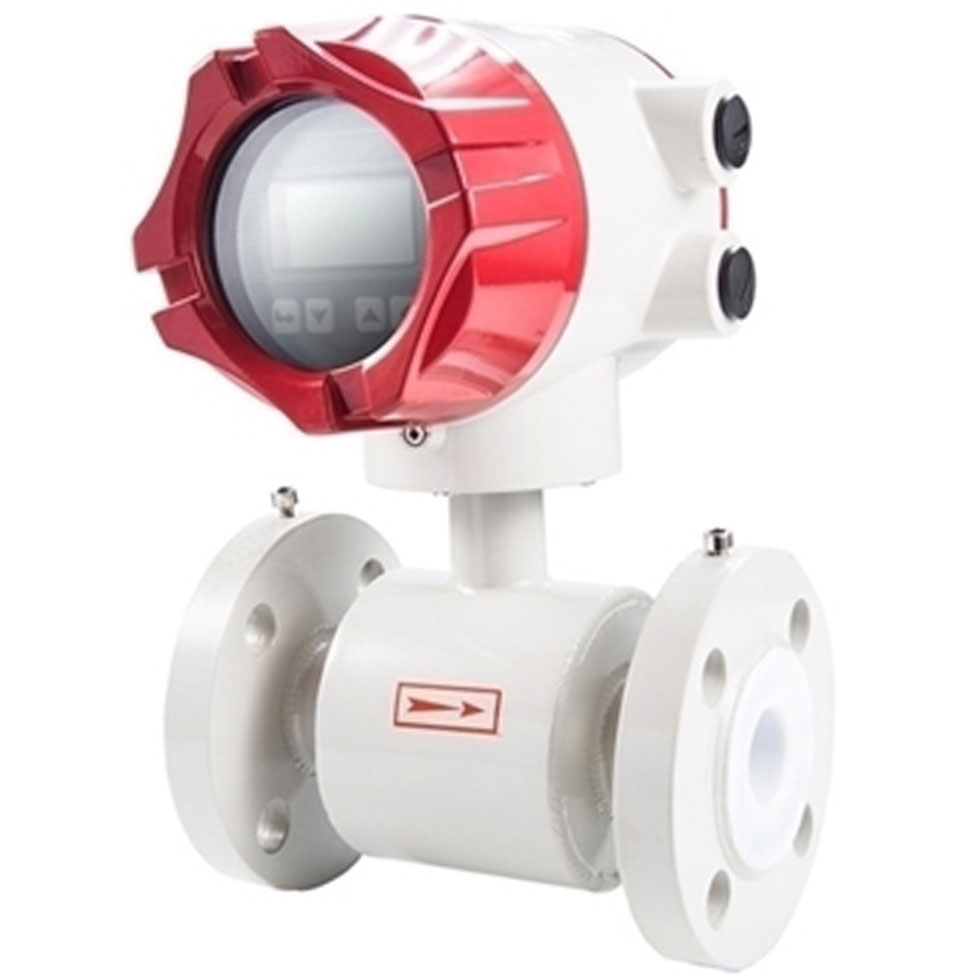 |
Conductive liquids, wastewater, |
Accuracy: ±0.5%; Max temp: 120℃; |
Corrosion-proof, |
| Mechanical Flow Meter | 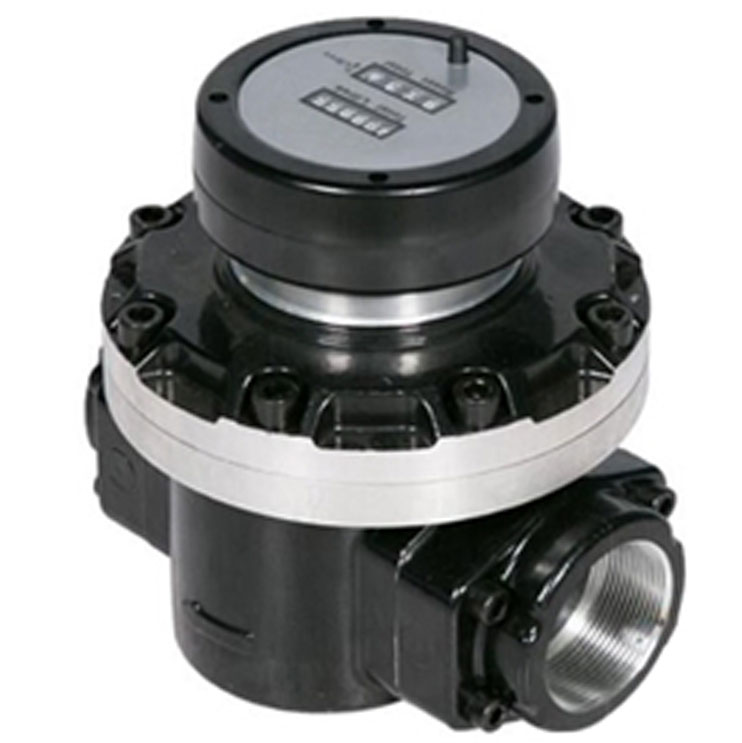 |
High-viscosity fluids, chemicals, |
Accuracy: ±0.5%;
|
Direct mass flow, |
| Portable Ultrasonic Flow Meter for Water | 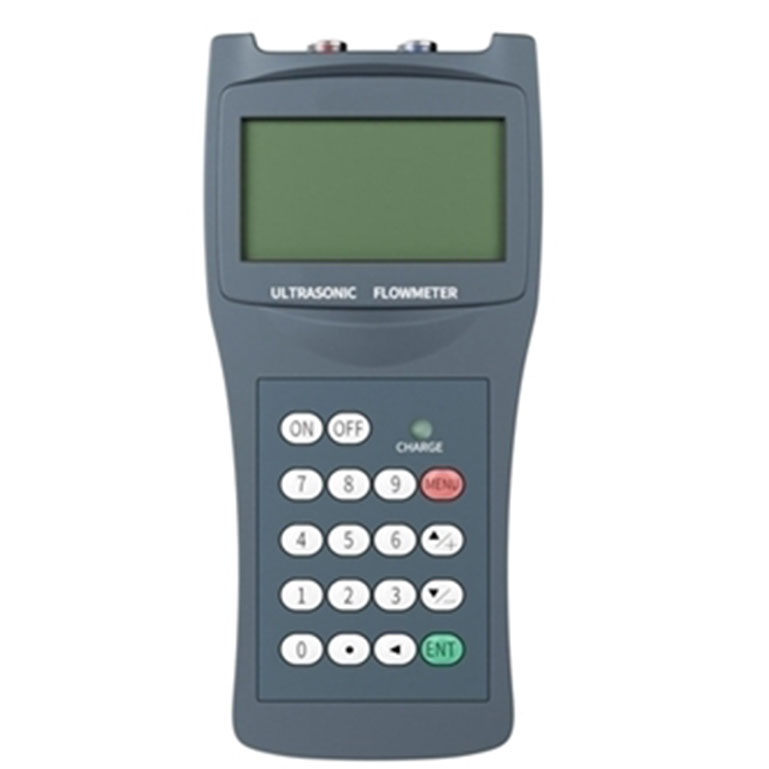 |
Pure water, oil, and large pipes |
Accuracy: ±1.0%;
|
Non-intrusive, |
| Thermal Gas Mass Flow Meter | 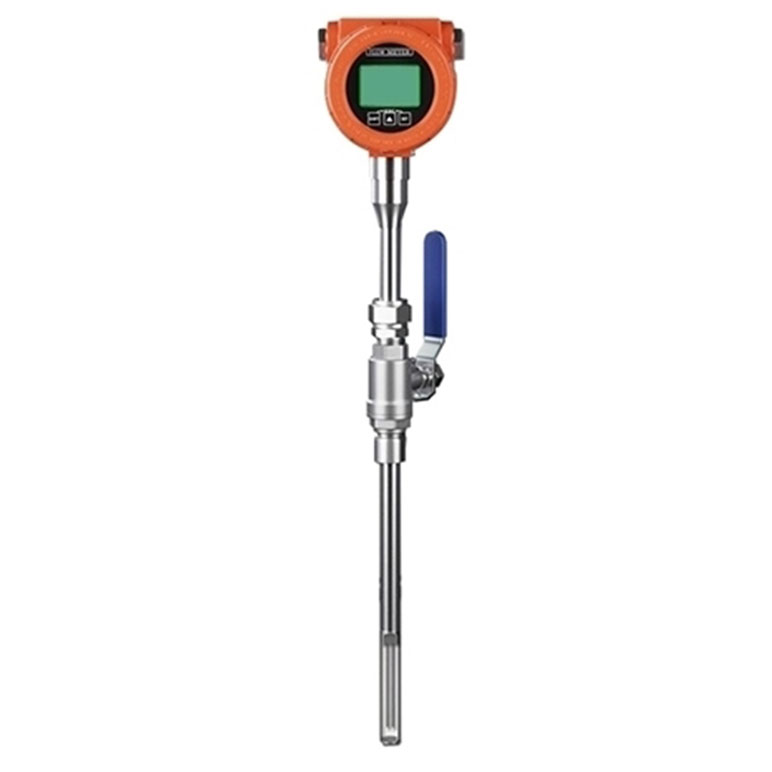 |
Saturated/superheated steam, |
Accuracy: ±2.5%; |
High temp resistance, |
| Waterproof Turbine Flow Meter | 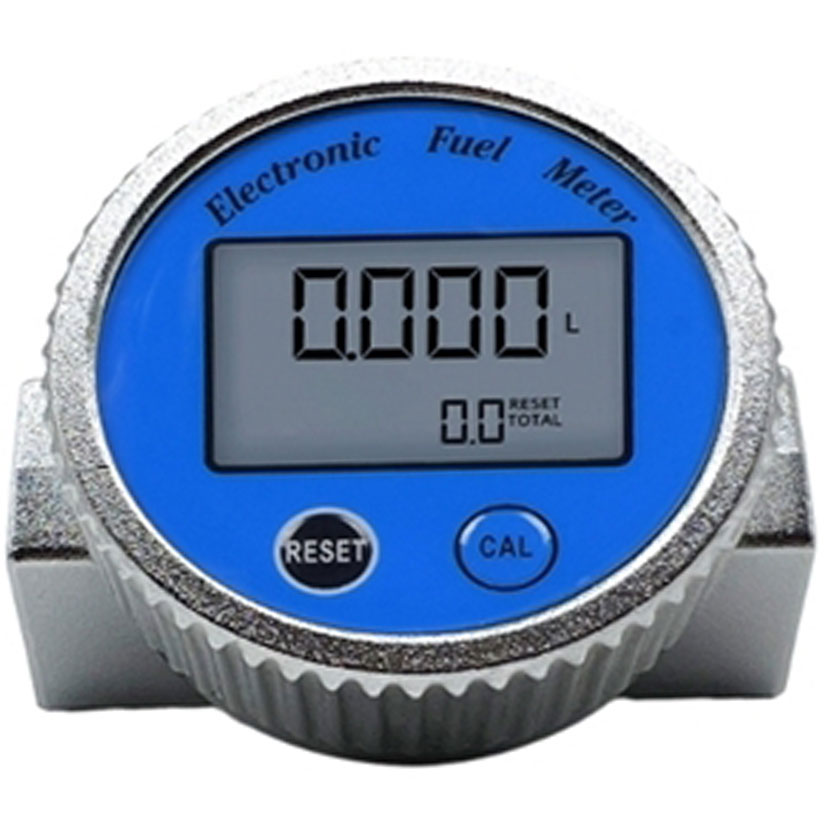 |
Diesel, pure water, clean gas |
Accuracy: ±1.0%; |
Fast response, |
| Thermal Mass Flow Meter | 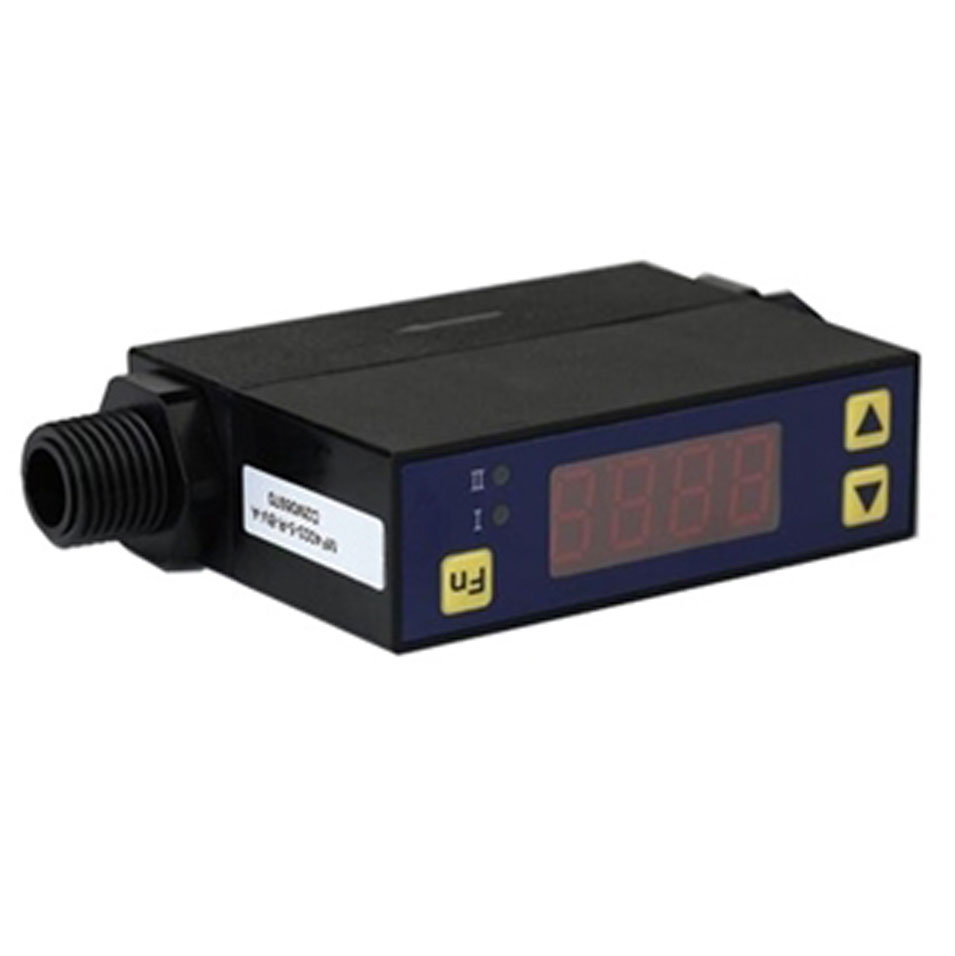 |
Compressed air, single gas |
Accuracy: ±1.5%; |
Stable at low flow rates |
3. Five-Step Flow Meter Selection (Actionable)
- Step 1: Check media conductivity
Conductive liquid chooses the electromagnetic flow meter
Non-conductive liquid/gas/steam choose vortex, ultrasonic, mass, or turbine
- Step 2: Can you shut down and cut the pipe?
No shutdown / no cutting, choose the clamp-on ultrasonic flow meter
Normal construction allowed choosing electromagnetic, vortex, mass
- Step 3: Check accuracy requirements
Custody transfer/precision dosing choose a coriolis mass flow meter
General process monitoring chooses electromagnetic, vortex, and ultrasonic
- Step 4: Check temperature & pressure limits
Steam / high-temperature gas: choose a vortex flow meter
Strong corrosive media choose electromagnetic
- Step 5: Check pressure loss limits
Low-pressure systems choose zero pressure loss: electromagnetic, ultrasonic, thermal
4. Installation & Maintenance Best Practices
- Installation Direction
Horizontal or vertical installation is supported. For vertical installation, flow direction must be bottom-to-up to ensure a full pipe. - Straight Pipe Requirements
Vortex / turbine: 10D upstream, 5D downstream
Electromagnetic/ultrasonic: lower straight pipe requirements - Reduce Maintenance Costs
Choose meters without moving parts (electromagnetic, ultrasonic, vortex). Service life is 3–5 times longer than mechanical types.
5. Frequently Asked Questions (FAQ)
Q1: Can I use an electromagnetic flow meter for pure water?
A1: No. Pure water has very low conductivity. We recommend ultrasonic or turbine flow meters.
Q2: Can flow meters be installed vertically?
A2: Yes, but must maintain a full pipe. Flow direction bottom-to-up is recommended.
Q3: Which flow meters have no pressure loss?
A3: Electromagnetic and clamp-on ultrasonic flow meters, ideal for low-pressure and large-flow systems.
Q4: Which flow meter is best for steam measurement?
A4: Vortex flow meter is preferred. It withstands high temperatures, supports temperature-pressure compensation, and outputs mass flow directly.
6. Conclusion & ATO Recommendation
Flow meter selection should not focus only on price. You must evaluate accuracy, media, temperature, pressure, installation, and Total Cost of Ownership (TCO). We simplify your procurement process through our One-Stop Service model. From initial selection and competitive quotation to dedicated technical support and after-sales service, ATO ensures your automation systems run smoothly from day one. Optimize your flow control today. Contact ATO.com for professional consultation and reliable automation solutions.
ATO One-Stop Automation Store Provides:
- Full series flow meters: electromagnetic, mass, ultrasonic, vortex, turbine, thermal
- Full bore sizes: DN3–DN1000
- Standard signals: 4–20mA, RS485, LCD display
- Industrial compliance: ISA certified, stable and reliable
- One-stop service: selection, quotation, technical support, after-sales
