
Current Sensor
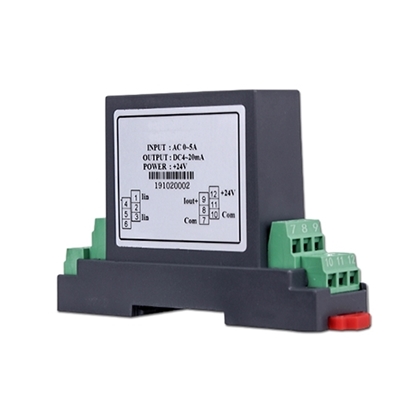
AC Current Sensor, 5mA/100mA/1A/2A/5A to 10A
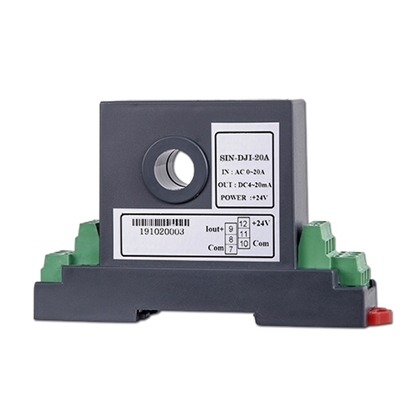
AC Current Sensor, 1A/2A/10A/30A/50A/100A to 150A
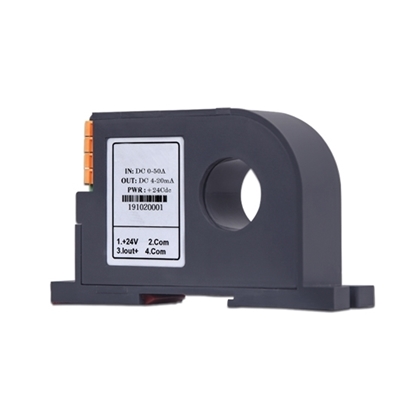
AC Current Sensor, 5A/10A/20A/50A/100A/150A to 400A
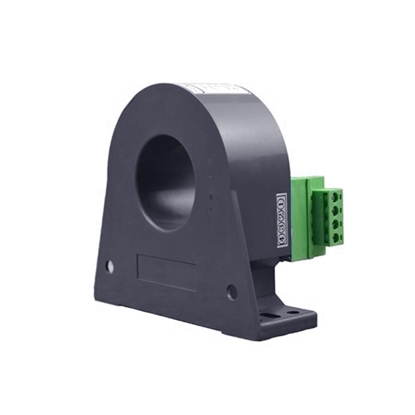
AC Current Sensor, AC 200A/400A/600A/800A
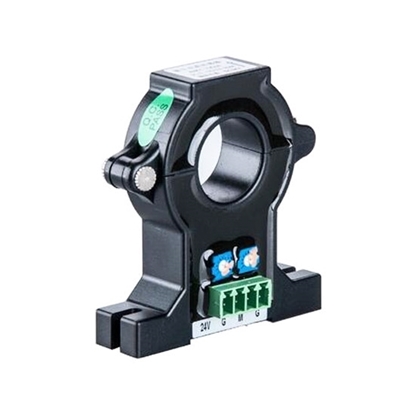
AC Current Sensor 50A/100A/400A/600A/1000A/1200A to 1500A

AC Current Sensing Switch, 0.5A-50A, NO
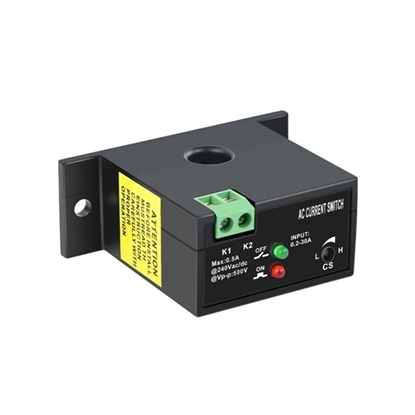
AC Current Switch, 0.5A-200A, NO/NC
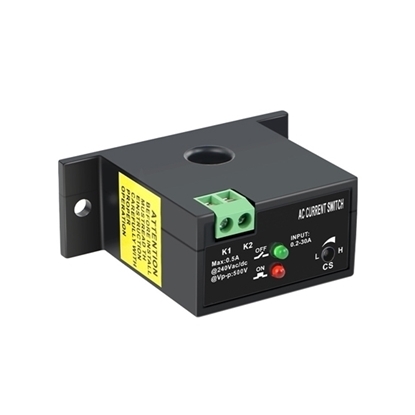
AC Current Sensing Switch, 0.2A-30A, NO/NC
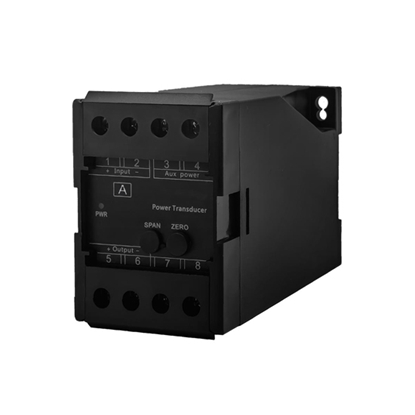
1-phase AC Current Transducer, 0-1A/5A/10A/20A
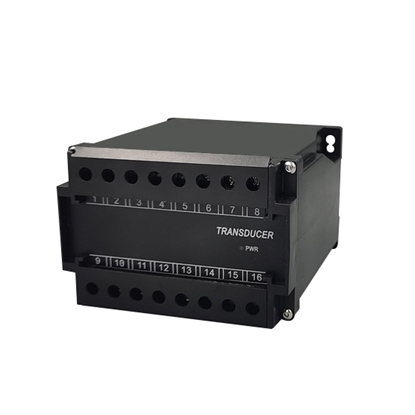
3-phase AC Current Transducer, 0-1A/5A/10A/20A
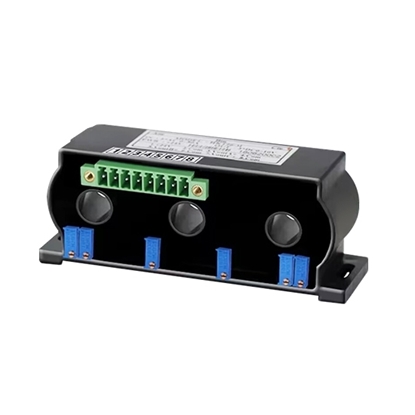
3 Phase AC Current Transducer 0.5A/1A/2A/5A/10A/20A/50A to 80A
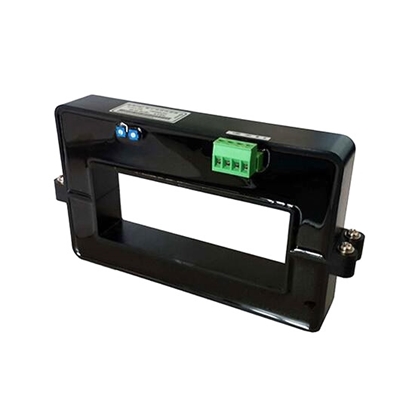
Split-core AC Current Sensor 400A/2000A/8000A/10000A to 20000A
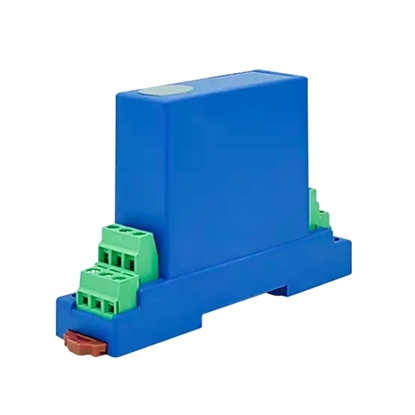
DC Current Sensor, 1mA-5A Input, 12mA/10mA Output
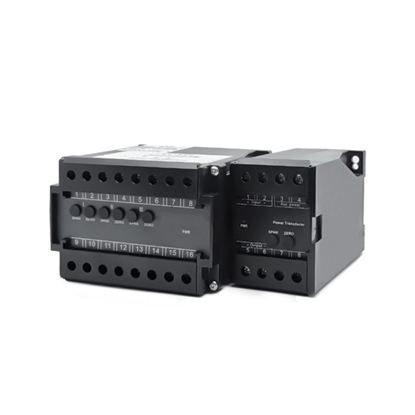
DC Current Transducer, 0-1A/5A/10A/75mV
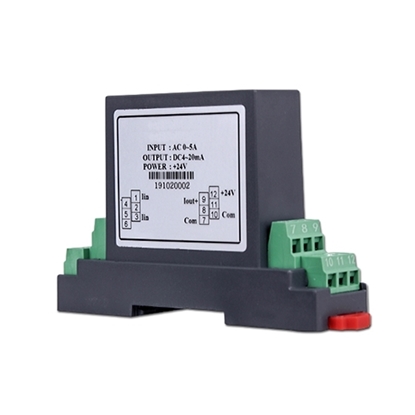
DC Current Sensor 1mA/1A/5A/10A/100A to 800A
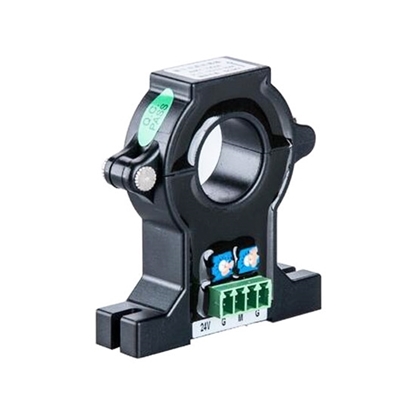
DC Current Sensor 50A/100A/200A/500A/1000A to 1500A
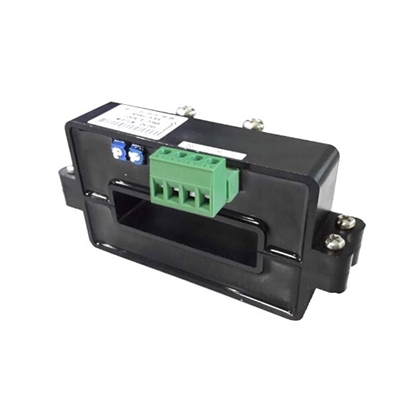
Non-invasive DC Current Sensor 400A/1000A/2000A/10000A to 20000A
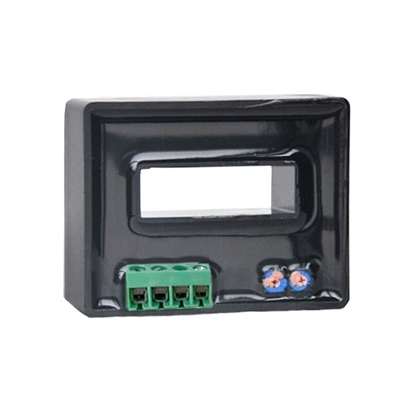
Current Sensor AC/DC 50 amp/100 amp/1000 amp to 2000 amp
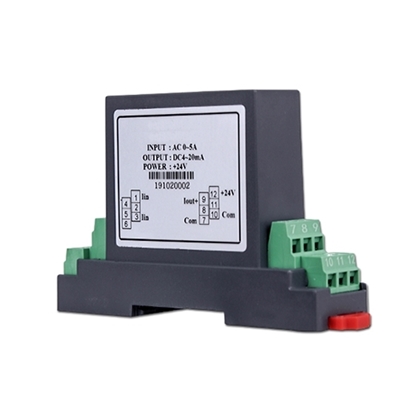
Current Sensor AC/DC 1mA/2mA/5mA/10mA/50mA/0.5A/1A to 5A
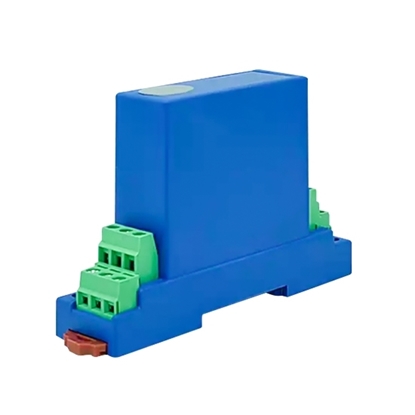
True RMS Current Sensor, AC/DC 1mA-5A Input, DC 0-10V Output
- 1
- 2
A current sensor measures how much electric current flows through a wire. You don't have to disconnect or cut the wire — just clamp it or pass the wire through the sensor. Common uses: power monitoring, motor control, battery management, and DIY electronics projects. ATO offers AC, DC, AC/DC universal, and true‑RMS current sensors using Hall effect technology, split‑core (non‑invasive) design, and outputs like 4‑20mA, 0‑5V, and RS485.
Primary Types of Current Sensors
The following sensor types are widely used in industrial automation, power monitoring, and battery management systems.
- Hall effect sensor: Works for both AC and DC, provides electrical isolation. The most popular type. (Best for: motor drives, power monitoring, battery management, industrial automation)
- Open‑loop Hall vs closed‑loop Hall
- Open‑loop: cheaper, smaller, ~1% accuracy. (Best for: cost‑sensitive, space‑limited devices like home appliances, power tools)
- Closed‑loop: more accurate (~0.5%), costs more, uses more power. (Best for: high‑precision metering, calibration instruments, lab power supplies)
- Current transformer (CT): AC only, low cost, no external power needed. Simple and reliable. (Best for: AC energy monitoring, electricity meters, building automation, relay protection)
- Rogowski coil: AC only, flexible, handles huge currents without saturation. Works for very high AC currents. (Best for: high‑current power systems, power quality analysis, VFD output measurement)
- Shunt‑based sensor: Very accurate for small DC currents (mA range), but no isolation (direct electrical connection). (Best for: low‑current detection, battery management, electronic loads, precision power supplies)
Popular Development & DIY Current Sensor Modules
For microcontroller-based current measurement, the following modules offer simple integration and reliable performance.
What's popular: For Arduino, ESP32, or Raspberry Pi projects, the two most common needs are: small battery currents (mA) and larger load currents (5‑30A). Two modules lead the pack:
- INA219 (shunt‑based, I²C output): Best for small currents (≤±3.2A) and battery monitoring because it measures both current and voltage and gives digital output without calibration hassle.
- ACS712 (Hall effect, analog output): Simple, isolated, handles 5A/20A/30A. Good for quick tests, but analog output is noisier and less precise than INA219.
Example: Use INA219 for a solar‑charged battery logger; use ACS712 for a motor stall detector.
Current Sensor Selection Guide
Use this table to quickly compare ATO current sensor models and find the right one for your application.
| Model | Type | Range | Output | Best For |
|---|---|---|---|---|
| AC150 | AC (CT) | 1‑150A | 0‑5V / 0‑10V | Low‑cost AC monitoring, DIN rail |
| AC1500 | AC (open‑loop) | 0‑1500A | 4‑20mA | Non‑invasive industrial AC |
| DC1500 | DC (open‑loop) | 50‑1500A | 4‑20mA | Split‑core DC, fast response |
| ACDC5 | AC/DC (Hall) | 1mA‑5A | 0‑5V | Universal small signal, DIN rail |
| 153S01 | DC (closed‑loop) | 1mA‑5A | RS485 / TTL | High precision (Class 0.5), battery & solar |
FAQs About Current Sensors
Below are answers to the most common questions about current sensors, from basic operation to output selection, lifespan, calibration, and installation.
Q: What does a current sensor do?
A: It detects the electrical current in a circuit and converts it into a measurable output signal (like 4‑20mA or 0‑5V). This lets you monitor power usage, protect motors from overloading, and manage battery health — all without cutting any wires.
Q: What's the difference between AC and DC current sensors?
A: AC sensors measure alternating current (wall outlets, 50/60 Hz). DC sensors measure direct current (batteries, solar panels). Some sensors (like ACDC5) measure both.
Q: Hall effect vs current transformer – which one is better for current sensing?
A: Hall effect works for AC & DC and provides isolation — safer for beginners and ideal for DC applications. Current transformers (CT) are simpler, work for AC only, and require no external power — great for low‑cost AC monitoring. The better choice depends on whether you need DC capability, isolation, or a self‑powered solution.
Q: Open‑loop vs closed‑loop Hall sensors — which one should I pick?
A: Open‑loop (e.g., AC1500) is cheaper, smaller, ~1% accuracy — fine for most tasks. Closed‑loop (e.g., 153S01) is more accurate (~0.5%) but costs more. Pick closed‑loop only for high precision, like power meters.
Q: Which DIY module is best for Arduino — INA219 or ACS712?
A: For small currents (mA level) and battery monitoring, use INA219 (I²C, measures both current and voltage). For larger currents (5A–30A) and quick tests, use ACS712 (analog, isolated). Choose based on your current range.
Filter by:
Clear All


