
What is an Oxygen (O2) Sensor?
In our modern, technology-driven world, the ability to accurately monitor our environment is crucial. At the heart of many safety, efficiency, and research applications lies a precision instrument: the oxygen (O2) sensor. But what exactly is it, and how does it work? An O2 oxygen sensor is a device designed to detect and measure the concentration of oxygen in a gas or liquid. By providing real-time, accurate data, these sensors play a silent yet vital role in everything from ensuring the air we breathe in industrial settings is safe, to optimizing a car's fuel consumption, and even supporting life-saving medical equipment. This guide will delve into the world of O2 sensors, explaining their principles, types, and the vast array of applications where they are indispensable.
How Do Oxygen Sensors Work?
At their core, oxygen sensors function as sophisticated translators, converting the invisible presence of oxygen gas into a precise, measurable electrical signal. The underlying principle across most technologies involves a chemical or physical interaction between oxygen molecules and a specialized sensing element.
This process typically begins when oxygen molecules in the surrounding environment diffuse into the sensor and come into contact with this active element. In many common sensors, such as electrochemical types, this triggers a reduction-oxidation (redox) reaction. This reaction either generates a minute electrical current, pumps ions, or alters the electrical properties of a material—all in direct proportion to the number of oxygen molecules present. This change is then meticulously measured by the sensor's internal circuitry.
The resulting electrical signal—whether it's a change in voltage, current, or resistance—is subsequently processed and calibrated. It is this final, transformed data point that provides the accurate oxygen concentration reading, enabling real-time monitoring and control across a vast array of critical applications, from ensuring our safety to optimizing complex industrial processes.
What Types of Oxygen Sensors Are Available?
To meet the diverse demands of different industries, oxygen sensors come in various form factors and designs. At industrial ATO shop , we provide a range of sensors to meet these needs:
-
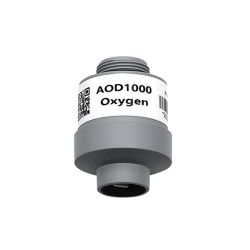
Fixed Oxygen Sensors for Industrial Control: Permanently installed for continuous monitoring in factories and plants. Our Oxygen Gas Sensor/Transmitter is a perfect example, designed for integration into systems requiring precise monitoring of gas streams.
-
Dissolved Oxygen Sensors for Water Quality: Specifically designed to measure oxygen levels in liquids, essential for aquaculture and wastewater treatment. Dissolved oxygen sensor provides accurate data for maintaining healthy aquatic environments.
-
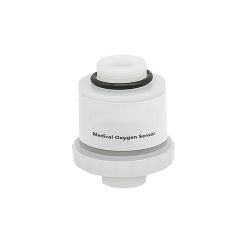
Medical Oxygen Sensors: Specifically designed for healthcare applications, our Medical Oxygen Sensor ensures accurate oxygen delivery in medical equipment like ventilators and oxygen concentrators.
-
High-Pressure Oxygen Sensors: Designed for demanding environments where pressure is a critical factor. Our High Pressure Oxygen Sensor is perfect for monitoring oxygen in high-pressure equipment like oxygen chambers and tankers.
Applications of Oxygen Sensors
The versatility of oxygen sensors makes them critical across a wide spectrum of fields:
-
Industrial Safety & Process Control: In industries like petrochemicals and metallurgy, O2 sensors are vital for preventing explosions in inert atmospheres and for optimizing combustion processes to save fuel and reduce emissions. Our Industrial Oxygen Sensor is commonly used here.
-
Environmental Protection: They are used to monitor atmospheric air quality. Furthermore, dissolved oxygen sensor is crucial for assessing the health of rivers, lakes, and aquaculture farms to protect aquatic life.
-
Medical & Healthcare: Life-support systems like ventilators and anesthesia machines rely on precise O2 sensors to ensure patient safety by delivering the correct oxygen mixture.
-
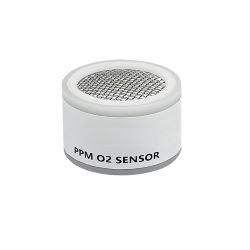
Scientific Research & Laboratory Use: From studying microbial respiration to controlling atmospheric conditions in laboratory experiments, the accuracy of O2 sensors is fundamental. Our PPM Oxygen Sensor capable of detecting trace oxygen concentrations at ppm level is ideal for such precise analytical applications.
-
Scientific Research & Laboratory Use: From studying microbial respiration to controlling atmospheric conditions in laboratory experiments, the accuracy of O2 sensors is fundamental.

Why Do I Need an Oxygen Sensor?
You might be wondering if an oxygen sensor is a necessary investment. The answer is a resounding yes if your goals involve safety, efficiency, compliance, or quality control. Here's why:
-
Ensure Human Safety: In confined spaces like tunnels, silos, or manufacturing plants, oxygen levels can deplete or become enriched, creating a severe health and explosion risk. A reliable oxygen sensor provides an early warning, protecting lives.
-
Optimize Industrial Processes: In combustion-based systems, precise oxygen measurement allows for optimal fuel-air ratio control. This leads to significant fuel savings, reduced emissions, and improved process efficiency. Our Industrial Oxygen Sensor is specifically designed for this.
-
Meet Regulatory Compliance: Many industries are governed by strict environmental and workplace safety regulations that mandate oxygen level monitoring. Using a certified sensor ensures you meet these legal requirements.
-
Protect the Environment: Monitoring dissolved oxygen is critical for wastewater treatment and protecting aquatic ecosystems. Dissolved Oxygen Sensor helps ensure compliance with environmental standards and promotes ecological health.
-
Guarantee Product Quality: In various manufacturing and research applications, the atmosphere is critical. An oxygen sensor ensures that the environment meets the strict specifications required for product integrity and successful experimental outcomes.
Conclusion
When precision, reliability, and safety are non-negotiable, you need a supplier you can trust ATO.com offers a wide range of high-quality O2 sensors to meet your specific application requirements. Our sensors are known for their accuracy, durability, and excellent performance, ensuring you get the critical data you need to operate safely and efficiently. Ready to find the perfect O2 sensor for your application? Explore our full range of products and find detailed specifications on our oxygen sensor product page.
