
Oxygen (O2) Sensor Price List
The oxygen sensor is a crucial component in modern automotive electronic fuel injection systems. Acting like the engine's "sniffing organ," it constantly monitors exhaust gas composition and provides feedback to the onboard computer (ECU), ensuring optimal engine performance and controlling harmful emissions.
To help you shop from a single source, the ATO Store has curated a wide selection of popular, cost-effective oxygen (O2) sensors for a limited time. The table below provides detailed information and reference prices for each model, helping you easily find the right solution.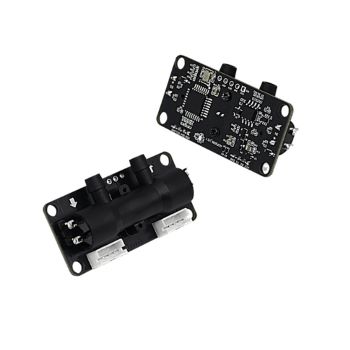
Oxygen (O2) Sensor Price List
| PRODUCT | MODEL | PRICE |
| Oxygen (O2) Gas Sensor, 0~100% | ATO-AO-02 | $66.82 |
| ATO-AO-03 | $54.76 | |
| ATO-AO-06 | $85.81 | |
| Electrochemical Oxygen Sensor, 0~25%vol | ATO-FS4EC/O2 | $81.92 |
| Fluorescent Oxygen Sensor, 0-300mbar, 0-25% | ATO-AOX4000 | $100.31 |
| ATO-AOD1000 | $211.42 | |
| Ultrasonic Oxygen Sensor, 0-10L/min, 21-95.6% | ATO-AOF1000 | $51.74 |
| ATO-AOF2000 | $49.87 | |
| Oxygen Gas Sensor/Transmitter, RS485/4-20mA/0-5V | ATO-VMS-3002-O2-* | $101.58-$189.58 |
How to Select the Right Oxygen (O2) Sensor?
Clarify the purpose and scenario of the test.
- Long-term online monitoring: If you need 24/7 uninterrupted oxygen concentration monitoring in a fixed location (such as a chemical plant, mine ventilation vents, confined storage tank areas, or medical oxygen therapy rooms), a fixed oxygen sensor is the ideal choice. Typically mounted on a wall or pipe, they provide continuous data logging and often feature remote transmission for centralized management.
- Temporary inspections and emergency response: If you need to conduct temporary testing at various locations or enter an unknown risk area (such as before working in a confined space), a portable oxygen (O2) sensor is more suitable. They are compact and easy to carry, often with a pump function, allowing them to monitor more remote or inaccessible locations.
- Personal protection: If you need to monitor your surrounding oxygen concentration for personal safety, a wearable (personal) oxygen detector is the best choice. It can be worn on your chest or attached to a hard hat, providing constant alerts about your personal environment.
Verify Key Parameters
- Measurement Range: Confirm that the instrument's range covers your expected oxygen concentration range (typically, the oxygen concentration in air is around 20.9%, lower than 19.5% in an oxygen-deficient environment, and higher than 23.5% in an oxygen-rich environment).
- Accuracy and Response Time: Accuracy determines data reliability, while response time determines the ability to provide timely warnings of hazards. Select the appropriate accuracy level based on the criticality of your application.
- Explosion-Proof and Protection Rating: If the operating environment contains flammable or explosive gases or dust, select an instrument with appropriate explosion-proof certification (such as Ex) and an adequate protection rating (such as IP65/IP67).
- Alarm Function: Confirm whether the instrument has high/low limit alarms, whether the alarm mode (sound, light, vibration) is clear and effective, and whether the alarm point is adjustable
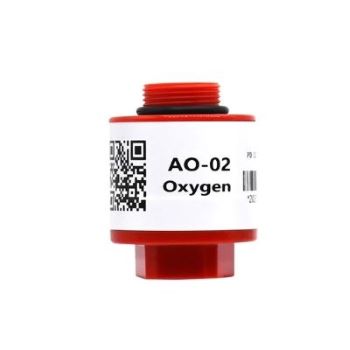
Its core function is to help the engine management system implement closed-loop control, ensuring the air-fuel ratio (the mass ratio of air to fuel) remains near the theoretical optimal value of 14.7:1 (for gasoline engines). This ratio, known as the "stoichiometric ratio," maximizes the three-way catalytic converter's efficiency in converting the three major harmful exhaust gases (hydrocarbons (HC), carbon monoxide (CO), and nitrogen oxides (NOx). If the air-fuel ratio is too lean (more air, less fuel), NOx emissions increase, potentially leading to engine power loss and stalling. If the air-fuel ratio is too rich (more fuel, less air), HC and CO emissions increase, fuel consumption increases, and the three-way catalytic converter may be damaged. The oxygen sensor monitors the oxygen concentration in the exhaust pipe, indirectly determining the combustion status of the combustion chamber and transmitting this signal to the ECU, which then adjusts the fuel injection amount in real time for precise fuel control. Oxygen sensors are precision instruments designed to detect and measure oxygen concentration in gases or liquids. They are widely used in various fields, including industrial monitoring, medical equipment, environmental protection, automotive systems, and scientific research.
By providing real-time and accurate oxygen level data, oxygen sensors play a critical role in ensuring safety, efficiency, and operational reliability. At ATO.com, we offer not only high-quality oxygen sensors, but also affordable pricing and professional technical support. If you have any questions or need further assistance, please feel free to contact our customer service team. Visit the ATO online store now to find the oxygen sensor solution that suits your needs!
