
Hydraulic Punch Machine Cost: Landed Price List & Hidden Fee Guide
You have decided to buy a hydraulic hole punch. You already know the tonnage, type, and budget. So what is stopping you? Not "if" you should buy, but: who to buy from, what the real landed cost is, and which trade-offs you can accept. You don't want to pick the cheapest option and get hit with hidden fees. You also don't want to pay hundreds more for features you never use. You want a clear answer: for my situation, which model and which supplier? The decision table below helps you choose in 3 minutes. If you want more details on delivery time, voltage, dies, shipping, and parts compatibility, each chapter is labeled. Jump to the section you care about. For a quick answer, just read the table and the summary.
At the end of this guide, you will find real prices and estimated landed costs for ATO in-stock models.
Table of Contents (Quick Navigation)
- 1. Securing delivery time
- 2. Solving voltage mismatch
- 3. Selecting the right dies
- 4. Handling liftgate fees
- 5. Ensuring parts compatibility
- 6. Avoiding three hidden traps
- 7. Making a one-minute decision
- 8. Checking 2026 ATO prices
Core Decision Table
The table below helps you lock in your direction in 3 minutes.
| Dimension | Spend USD to fix it | Accept it to save money |
| Delivery time | Project starts soon -- must have local stock (only veto item) | The project has a buffer -- international direct shipment |
| Voltage | Willing to spend $200-500 on transformer/electrician -- buy 220V model | Don't want to deal with it -- buy 110V single phase |
| Dies | Mixed hole sizes, willing to spend $100-300 to get a full set | Single application -- buy a basic bare unit to save money |
| Liftgate | No forklift, but OK to pay $150 on site -- choose without liftgate | Don't want surprises -- choose liftgate included |
| Parts | High frequency use -- must require universal NPT fittings | Low usage -- accept proprietary design |
Hard rule: Only delivery time is a veto item. All other issues can be solved with money. You just decide: is it worth spending, or should you accept it?
Chapter 1: Hydraulic Punch Delivery Time – The Only Veto Item
Remember this: one day of late delivery may cost you several times the machine price. A hydraulic hole punch is not a consumer product. It is a money-making tool, and the worst problem is not a high price – it is the tool not arriving when you need it.
Why can delivery time veto everything? Late delivery causes irreversible financial loss: Idle labor – workers on site but no machine, you still pay wages. At $70/hour per person, four people waiting half a day burns $1,120. Contract penalties – many contracts specify a $100–500 penalty per day of delay. Wait 30 days, and penalties may cost more than the machine. Lost trust – one delay, and the customer finds another supplier. You lose not just one order but future business.
Simple math: A hydraulic hole punch costs $400–1,500. One day of delay may burn half the machine price. One week of delay doubles the cost. One month of delay – penalties plus idle labor – can buy three machines. That is why delivery time is the only veto item. It is not about saving money. It is about losses you cannot afford.
Your decision
Cannot accept delay: You start work next week. The contract has penalties. The customer is watching the delivery. → Action: Only look for local USA stock. Require a written commitment of a 48-hour shipment. The extra $200–500 is insurance.
Can accept delay: Project starts in one month. You are buying a backup machine. You prefer to save money with a longer lead time. → Action: Choose international direct shipment (e.g., from China, India, Vietnam). 20–45 days delivery. The money you save is your profit.
Chapter 2: Voltage for Hydraulic Punch – Modify vs. Buy 110V Direct
Voltage mismatch does not mean you cannot buy the machine. You just decide how much to spend to make it run. Hydraulic hole punches have two configurations: integrated (motor built-in, voltage options 110V or 220V) and separate (punch head only, you buy a pump separately – pump voltage must match your shop power).
If your shop only has 110V but you want a 220V machine, you can still use it – you just pay extra. The table below shows real modification costs.
| Solution | Cost | Note |
| Buy transformer (110V → 220V) | $200–500 | Good for occasional 220V equipment |
| Hire an electrician to add a 220V line | $300–500 | Best for long-term use |
| Rent 220V generator | $30–50/day | Short-term solution |
| Buy a 110V machine/pump directly | $0 extra | But the 110V version may cost $100–300 more than 220V version |
Your two options: Spend USD to fix it – buy 220V + modify power ($200–500). Pros: A 220V machine is often $100–300 cheaper and runs more stably. Cons: upfront cost and waiting time. Accept it to save money – buy 110V directly. Pros: zero extra cost, plug and use. Cons: the machine itself may cost $100–300 more than 220V.
How to choose? If you hate hassle or have a tight schedule, buy 110V. If you have a tight budget and an electrician friend, buy 220V + modify – but only if machine savings > modification cost + downtime.
Quick tip: For separate type, ask: “Do you have a 110V pump? If I buy a 220V pump, what transformer do you recommend?” For integrated, ask: “For integrated, ask: "Do you have the 110V model in stock, or only the 220V model?
Chapter 3: Hydraulic Punch Dies – Full Set vs. Basic Bare Unit
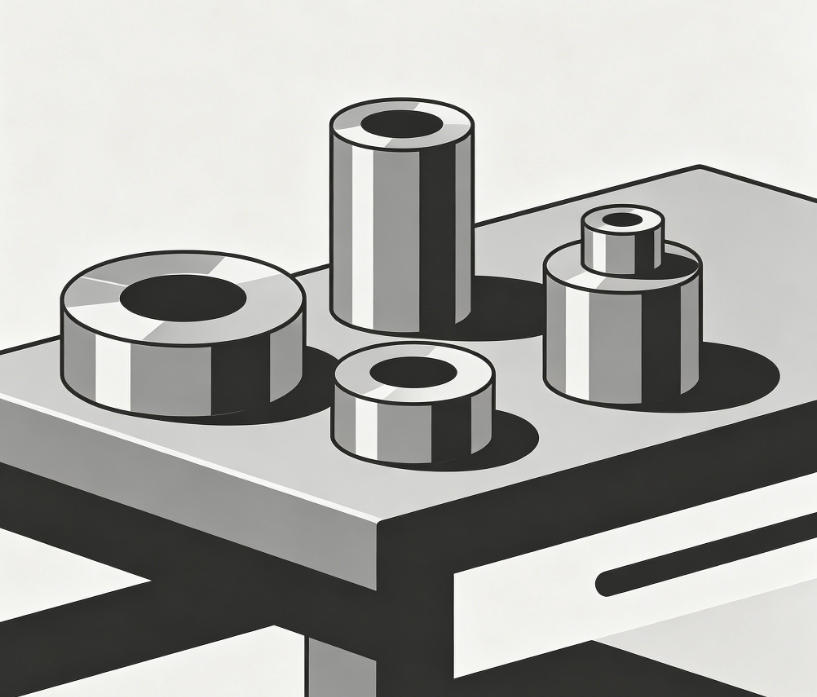
A machine usually comes with only 1–2 common die sizes. If you need more, you pay extra. Sellers often play this game: the list price is $400 cheap, but you only get one 10mm round die. Need 8mm, 12mm, 16mm? Each extra die is +$50, three dies +$150, plus shipping +$30. The final price may exceed a “full set included” package.
| Item | Cost range | Note |
| Single small die (third-party universal) | ~$70/set | e.g., standard round die |
| Brand or custom die (non-universal) | $100–300/set | Multi-size kit or special spec |
| Extra shipping for dies bought later | $30–50/order | Logistics cost |
| Full die set (4–6 common sizes) | $100–200 above the bare machine | Buy the “full set included” package |
| Forced to buy original dies later | 2–3x market price | Proprietary design traps you |
Your two options: Spend USD to fix it – buy a bare unit, then buy dies separately ($100–300 later). Pros: cheapest if you only punch 1–2 hole sizes. Cons: total may exceed a full-set package. Accept it to save money – buy “full set included” directly (bare machine +$100–200). Pros: ready for all common jobs. Cons: paying for sizes you never use.
How to choose? Single hole size → buy bare unit. Mixed orders (3+ sizes) → buy the full set included. Unsure? Buy bare unit but confirm dies are universal – you can add later ($70–100 per set).
Life-saving question: “Are your dies standard universal design, or do I have to buy replacements exclusively from you?”
Chapter 4: Liftgate Service for Hydraulic Punch – On-Site vs. Bundled
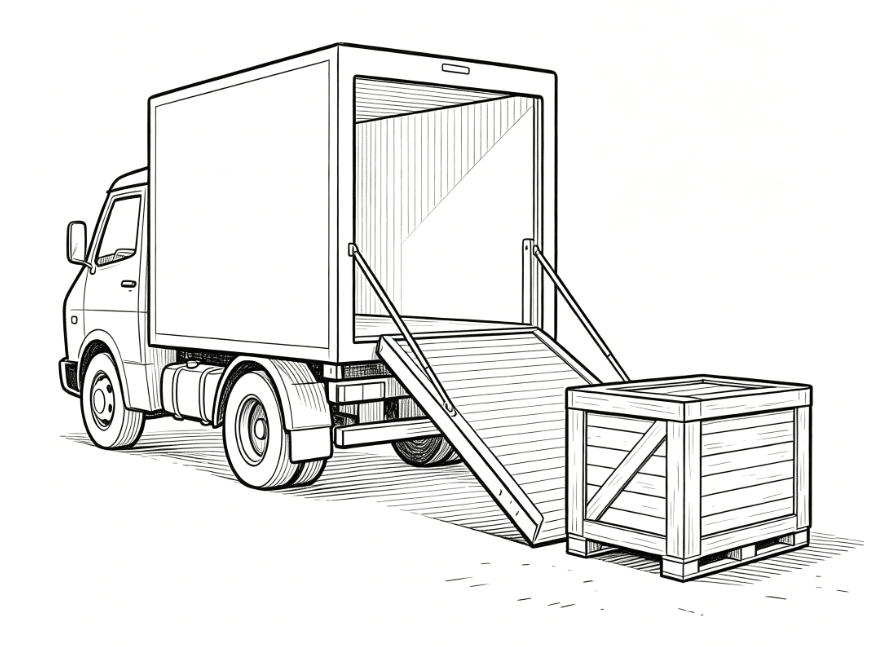
A 500 lb machine arrives at your door. The driver only parks the truck – he does not unload it. Liftgate is the hydraulic lift at the back of the truck that lowers cargo to the ground. If you have no forklift, no loading dock, and no strong crew, a liftgate is necessary. Many low-price quotes only include “kerb-side delivery” (street only). Liftgate is an extra option – or the driver may charge you cash on site.
| Cost item | Cost range | Note |
| Standard liftgate service | $75–200/shipment | Typical US LTL carrier rates (2026) |
| Residential delivery surcharge (often added with liftgate) | $80–175/shipment | Extra for home or non-commercial delivery |
| Typical combined bill | ~$280 | Liftgate $125 + residential $155 |
| Self-unload (borrowed forklift or manpower) | $0 | Only if you have a forklift/ramp/strong crew |
Your two options: Spend USD to fix it – buy a quote without liftgate, pay the driver $75–200 cash on delivery day. Pros: lower upfront cost; if you find a free forklift, you save the money. Cons: on-site payment may be overpriced; need cash ready. Accept it to save money – buy a quote with “liftgate included” (total +$75–200). Pros: no surprises, no risk of driver leaving. Cons: you pay even if you have your own forklift.
How to choose? Have a forklift or strong crew → choose quote without liftgate. No forklift, no ramp, no strong crew → must buy liftgate included. The extra $75–200 buys “no back pain”. Unsure? Ask the seller: “Does the shipping price include liftgate? If not, how much extra?”
Professional reminder: For international direct shipment, liftgate is only involved in the US inland trucking segment. Ask for a DDP (Delivered Duty Paid) total price that includes liftgate. Otherwise, you may have to arrange your own truck and unloading at the port, doubling the cost.
Stop here and do the math. Dies and liftgate together add $175–500 to the bare machine price. Add customs fees ($200–300) and hydraulic oil ($30–50) for international shipments. Always ask for total landed cost to your door.
Chapter 5: Hydraulic Punch Parts Compatibility – Universal vs. Proprietary
A cheap machine may lock you into its own parts system. Later, when you need dies, seals, or fittings, you can only buy from that seller at 2–3 times the market price. Standard machines use NPT fittings and universal die sizes – you can buy replacements from Grainger, McMaster-Carr, or Amazon. But some low-price brands deliberately make proprietary fittings (thread pitch off, die slot 1mm smaller) so third-party parts don’t fit. This is not a design flaw. It is a deliberate business model: make no profit on the machine, harvest profit on consumables.
| Part type | Cost range | Note |
| Universal standard die (third-party) | $70–100/set | Available at Grainger, McMaster-Carr, etc. |
| Non-universal/proprietary original die | 2–3x universal price | Core profit tool for cheap brands |
| Hydraulic oil (AW-32/AW-46), 5 gal | $40–70/pail | Local auto parts store (Tractor Supply, etc.) |
| Hydraulic repair service fee | $100–150/hour | Out-of-warranty repairs |
Your two options: Spend USD to fix it – choose universal standard (NPT + universal dies). Pros: long-term low cost, no supply interruption. Cons: The machine may cost $100–300 more. Accept it to save money – buy proprietary and gamble it won’t break. Pros: machine $100–300 cheaper. Cons: one part replacement eats up all savings, plus downtime.
How to choose? Daily use, high frequency → must choose a universal standard. One day of downtime costs more than the machine difference. Occasional use (1-2x/week) → proprietary can be acceptable. Pure gambler → cheapest proprietary, throw away when broken – but only if cheap enough to be disposable.
Life-saving question: “Are the hydraulic fittings NPT standard? Can I buy replacement dies from a third party like McMaster-Carr?” If the seller hesitates or says “we recommend original parts for performance” – translation: yes, it is proprietary, and you will be captive later.
Chapter 6: Three Hidden Traps in Hydraulic Hole Punch Purchase
The previous five chapters cover the obvious traps. But the three below do not appear on any product page or quote. They hit you 3–6 months after delivery, or during customs clearance.
Trap 1: Proprietary Tooling Trap
Some cheap brands sell you a machine for $400, but design the die slot “just a little different” – thread pitch off, punch shank 1mm smaller. Result: a $20 universal die does not fit. You must buy from the original seller at $60 per set. This is a deliberate business model: make no profit on the machine, harvest profit on consumables. Trap avoidance question: “Are replacement dies standard universal? Can I buy them from Grainger or McMaster-Carr?” If the seller says “we recommend original parts” – translation: yes, proprietary, expect captive pricing. Your action: either switch seller, or accept future consumable markup.
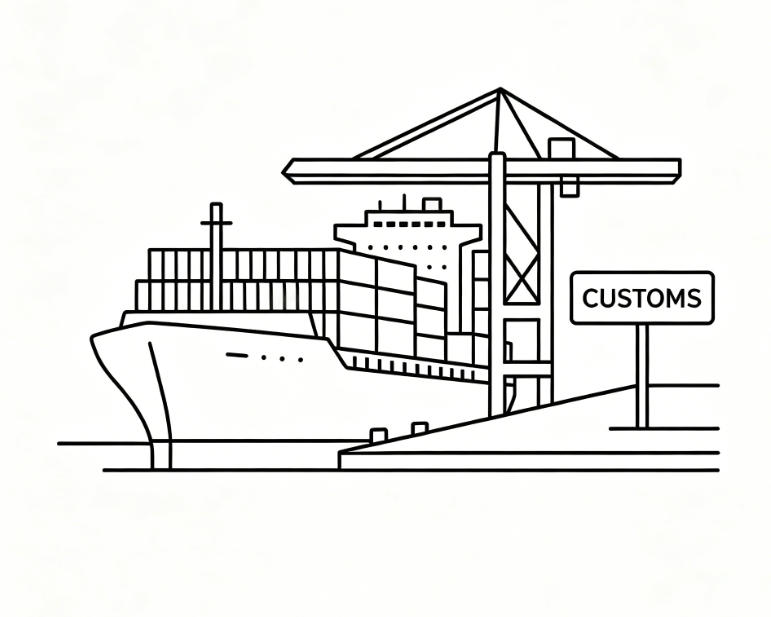
Trap 2: Customs Clearance “Assassin” (Bond & Duties Surcharges)
If you consider international direct shipment (e.g., from China, India, Vietnam) and the machine price exceeds $800, read carefully. US Customs’ de minimis exemption ($800, no duty) does not apply. Industrial machines require formal entry. In addition to duty, you face:
| Fee item | Cost range | Note |
| MPF (Merchandise Processing Fee) | 0.3464% of value, min $33.58, max $651.50 | Required for every formal entry |
| HMF (Harbor Maintenance Fee) | 0.125% of value | Sea shipments only |
| Single Transaction Bond | $50–100 or 0.5–1% of value | One-time bond without an annual bond |
| Customs broker service fee | $100–200 per entry | Required if you are not a pro importer |
| Total clearance fees (example at $1,000 value) | ~$200–300 | MPF~$35 + HMF~$13 + Bond~$60–100 + Broker~$100–150 |
Many low quotes are FOB or CIF – seller delivers to origin port or US port, you pay all clearance and subsequent fees. A $500 machine may become $800 at your door. Trade term comparison: DDP (seller handles duty & clearance) – price 15–30% higher but no hidden fees. FOB/CIF (buyer handles clearance) – lower price, but $200–300 clearance on you. Trap avoidance question: “Is this DDP to my door, including all customs fees, bond, MPF, HMF, and liftgate?” The only safe choice: DDP. If the seller quotes CIF or FOB, do not accept unless you are a customs expert.
Trap 3: Hydraulic Oil Discrepancy
This trap will surprise you on unboxing day. Due to international sea shipping safety regulations, all machines with hydraulic systems must have the oil drained before transport – otherwise, oil leaking creates a fire risk. So when the machine arrives, the hydraulic tank is dry. You unpack, connect power, and press start – the machine hums, but the punch does not move. Even worse: if you pour in random automotive oil, the wrong grade (viscosity or additives) will cause seals to swell, leaks, or pump burnout. Then the seller says: “You used non-specified oil? Warranty void.”
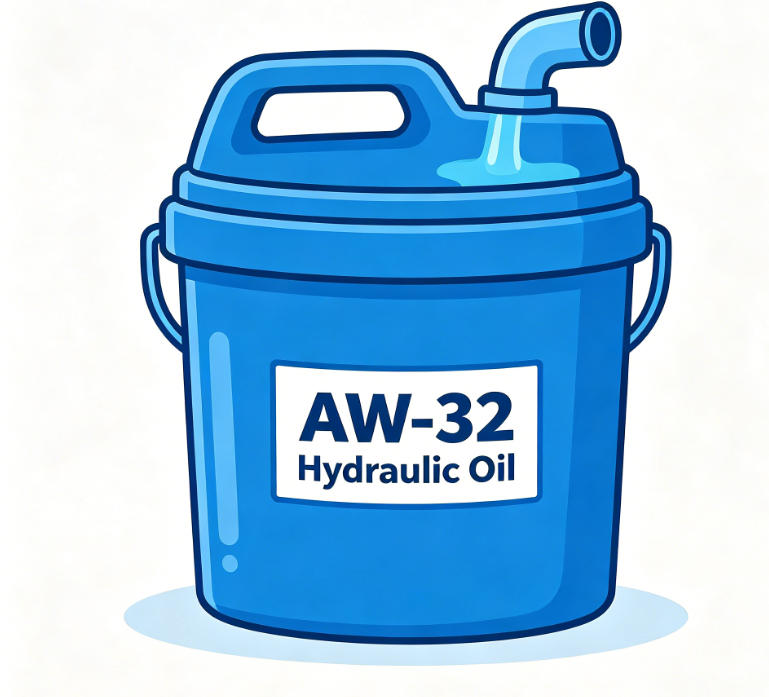
Correct steps: Before shipment, ask the seller: “What grade of hydraulic oil do I need? AW-32 or AW-46?” Add $30–50 to your budget. After machine arrives, buy specified oil at a local auto parts store (AutoZone, O’Reilly, Tractor Supply). Before first fill, read the manual carefully for oil volume and fill port location.
One sentence summary: All imported hydraulic machines arrive without oil. Do not expect plug-and-play out of the box.
Each of these three traps can cost you an extra $200–500, or several days to weeks of downtime. Now that you know them, you will not be caught.
Chapter 7: One-Minute Decision Summary for Hydraulic Punch Buyers
If you have no time to read everything, the table below tells you exactly what to do.
| Your situation | Action | Budget impact (approx.) |
| Tight schedule, need the machine next week | Search only “USA stock hydraulic punch”. Require a written 48-hour shipment. An extra $200–500 is insurance. | Total +$200–500, avoids penalty ($100–500/day) |
| Only 110V power, no hassle | Buy a 110V single-phase directly. Plug and use. | The machine costs $100–300 more than 220V, but saves $200–500 in modifications |
| Mixed orders, need 3+ hole sizes | Buy the “full set of dies included” package. | Bare machine +$100–200, saves later die purchases ($100–300 + shipping) |
| No forklift, no strong crew | Confirm the quote includes liftgate, or set aside $75–200 cash for the driver. | Without a liftgate may save $75–200, but on-site may overcharge |
| Daily use, downtime expensive | Only buy universal parts machine (NPT + universal dies). | The machine may cost $100–300 more, but replacement parts are cheap (universal $70 vs proprietary $140–210) |
| Occasional use, tight budget, willing to take risks | Go for the cheapest international direct shipment, but calculate the total cost first. | Bare machine saves $200–500, but adds clearance $200–300 + oil $30–50 + possible liftgate $75–200 |
| Completely lost | Send material thickness, weekly hole count, and voltage to us for free review. | $0 cost, may save hundreds or thousands |
Three core rules: Delivery time cannot be compromised – local stock only. One day of delay may burn $1,000+ in idle labor and penalties. Everything else can be compromised – go for the cheapest international direct but calculate the total cost upfront (bare machine + dies + clearance + liftgate + oil). When unsure – ask the seller the “life-saving questions”. Vague answers → switch seller.
One last small thing: After the machine arrives, if you worry about shipping damage or breakdown, ask your freight forwarder about cargo insurance or search “equipment insurance”. Typically, $50–100 per year covers repair or replacement. ATO does not sell insurance, but we suggest this small spend for peace of mind.
Chapter 8: 2026 ATO Hydraulic Hole Punch Price Reference & Next Steps
The seven chapters above help you calculate all visible and hidden costs. If you find this logic useful, and you want a supplier that puts all costs on the table, below are ATO's current models and estimated landed prices.
The table shows reference prices for hydraulic hole punches currently sold at ATO.com, organized by purchasing dimensions. Landed cost includes: bare machine + international shipping + customs clearance + standard dies. Excludes liftgate ($75–200) and hydraulic oil ($30–50).
Click the product name to view details.
| Product name | Tonnage | Voltage | Delivery time | Bare machine price | Estimated landed cost | Standard dies | Why this price? |
| Handheld electric hydraulic hole punch | 10T | 110V or battery | 6–12 days | $1,658.73 | $1,850–2,000 | 4–5 sets | Highly integrated all-in-one design with built-in pump, valve, and motor. Battery version includes two Li-ion batteries + fast charger + carrying case. Best for outdoor jobs with no power source. |
| 10T electric hydraulic hole punch (integrated) | 10T | 110V/220V optional | 6–12 days | $622.54 | $780–900 | Φ6.5–20.5mm / approx. 1/4" to 13/16") | Standard integrated machine, plug and use. Cheaper than handheld because no battery or compact design. Suitable for fixed workstations in a shop. |
| 10T small separate punch | 10T | External pump (voltage optional) | 6–12 days | $172.77 | $400–520 | 1 set (3/8″) | Punch head only, no pump. You need to buy a hydraulic pump separately (~$200–300). Total cost with the pump reaches $400–500. |
| 30T separate punch | 30T | External pump (voltage optional) | 6–12 days | $642.15 | $860–1,010 | 4 sets (3/8–3/4″) | Medium tonnage head, pump not included. Suitable for angle iron and channel punching. |
| 35T separate punch | 35T | External pump (voltage optional) | 6–12 days | $782.31 | $1,000–1,150 | 4 sets (3/8–3/4″) | Higher tonnage head, pump not included. Suitable for medium-thick plates and bus bar processing. |
| 100T industrial separate punch | 100T | External pump | Contact us | $2,577.15 | Inquiry required | Inquiry required | Extra-large tonnage for heavy industry. Price and delivery time – please contact customer service directly. |
Important notes:
Landed cost excludes liftgate service ($75–200) and hydraulic oil ($30–50). You handle these after delivery. Separate type models exclude the hydraulic pump. Pumps are available at the ATO store, with voltage options of 110V or 220V. Contact support for help. The battery-powered version is for outdoor jobs with no on-site power. Battery and charger included. The 10T integrated model is available in two standard versions: 110V or 220V. Please confirm the option with customer service before ordering. All prices are subject to real-time quotes at ATO.com. Exchange rates, promotions, or shipping costs may change.
Notice: Yes, international DDP shipping and customs entry fees add about $200–300 to the bare machine price. We display this upfront so you don't get hit with surprise customs bills at the port.
What you can do next
If you have already identified the right model using the decision table above, click to view the full ATO hydraulic punch series – browse all models, or click product links in the table for details.
If you need a more accurate landed price quote (including liftgate, full die set, or confirmed pump voltage), click the chat window at the lower right. Tell us:
- Material thickness and type you will punch
- Approximate number of holes per week
- Shop voltage (110V or 220V?)
We will send you a DDP landed price quote with all fees in one line. No hidden surprises.
Final honest word:
This guide does not create false urgency. It only helps you calculate the real costs. If you happen to need a machine that arrives in 6–12 days, offers a 110V option, and handles customs clearance for you, the table above is for you. Large equipment returns are complicated. Before ordering, confirm model, voltage, and die configuration with customer service. We want you to get it right the first time, for everyone's convenience.
