
Noise Sensor Buying Guide
Noise pollution is gaining increasing attention in our daily lives, whether at home, in the workplace, or in public spaces. Choosing the right noise sensor is crucial. First, identify your primary use case—such as workplace compliance, vacation rental monitoring, or environmental noise studies—then prioritize key specifications like accuracy class, measurement range, and frequency weighting.
Below is a comprehensive buying guide tailored for you by ATO Industrial Automation to help you find the noise sensor that best suits your needs.
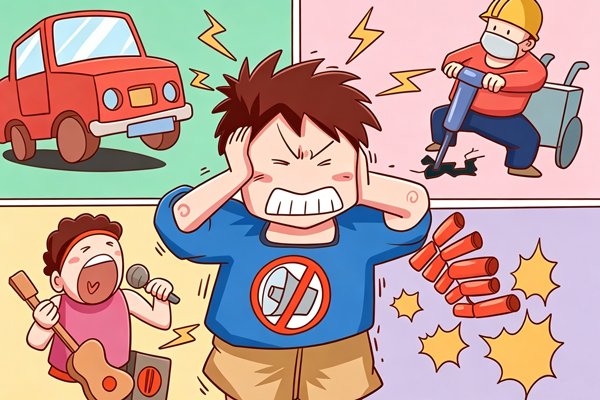
Why Do You Need a Noise Sensor
Noise sensors, or sound level meters, measure decibel (dB) levels in an environment. Before diving into the technical specifications, it's essential to understand why you need a noise sensor, as different scenarios require different types of noise sensors to maintain a safe and comfortable environment.
- Residential & Neighborhood Disputes: You need a noise sensor with long-term data logging to capture objective evidence of ongoing noise disturbances.
- Workplace Safety & Compliance: Industrial and construction settings require high-accuracy industrial noise sensors, certified sensors to protect workers' hearing, and meet legal safety standards.
- Property Management & Short-Term Rentals: Landlords need privacy-safe Wi-Fi noise sensors that monitor decibel thresholds without recording actual audio to prevent disruptive parties.
- Smart Building & Automation: Modern offices integrate noise sensors with automated systems to track environmental acoustics and optimize indoor comfort.
Key Technical Specs to Check Before Buying a Noise Sensor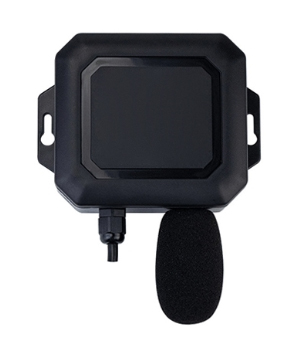
When comparing Noise Sensors, check these essential specifications:
Accuracy Class (Class 1 vs. Class 2)
- Class 1: Precision-grade noise sensor for laboratory and legal enforcement, where high accuracy across a wide frequency range is mandatory.
- Class 2: Standard-grade noise sensor for general industrial safety, workplace compliance, and residential monitoring at a lower cost.
Measurement Range (Decibel Range)
- Standard Range: Most noise sensors cover 30 dB to 130 dB, which handles typical everyday environment tracking.
- Extreme Ranges: Look for a lower limit of 20 dB for quiet bedrooms, or an upper limit of 140 dB for heavy industrial impact noise.
Frequency Weighting (A, C, and Z-Weighting)
- A-Weighting (dBA): Mimics human hearing sensitivity, making it the global standard for an environmental noise sensor and workplace safety.
- C-Weighting (dBC): Captures low-frequency sounds, essential for a noise sensor measuring mechanical rumbles, heavy engines, and bass.
- Z-Weighting (dBZ): Applies zero filtering, used strictly for flat-response laboratory acoustic analysis.
Time Weighting (Fast vs. Slow Response)
- Fast (125 ms): Reacts rapidly to capture sudden sound spikes, sudden impacts, or passing vehicles.
- Slow (1 s): Averages sound over time to provide stable noise sensor readings for continuous background noise like HVAC systems.
Features to Look for in a Noise Sensor
When selecting the best noise sensor, several factors should be taken into account:
- Customizable Alerts: Select a noise sensor that allows you to set personalized noise thresholds and receive instant notifications the moment those limits are breached.
- Continuous Data Logging: Choose a noise sensor that records historical sound data to provide valuable insights into recurring noise patterns and help you take preventive actions.
- Flexible Power Options: Opt for portable noise sensors with extended battery life that last for weeks or months per charge, or select plug-in models for uninterrupted monitoring.
- Mobile App Integration: Prioritize noise sensors that connect seamlessly with mobile applications to enable real-time noise tracking and remote alert management from anywhere.
- Direct Guest Communication: Look for specialized automated features that can send automated compliance warnings directly to occupants without requiring manual intervention from the property owner.
Environmental Considerations in Noise Sensor Selection
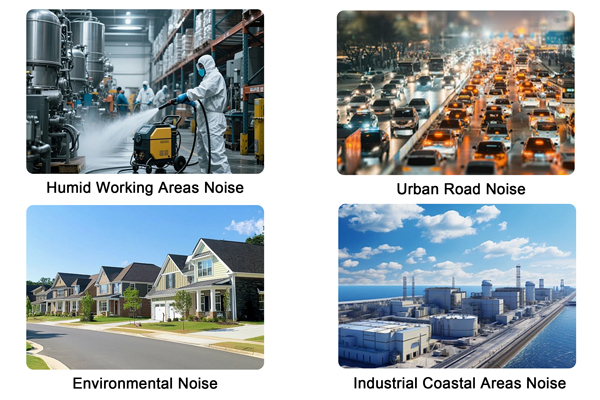
The environmental conditions in which your noise sensor will operate significantly impact its performance:
Environmental
- Ingress Protection (IP Rating): Noise sensor deployed in areas close to water requires an IP65 or higher rating to prevent water from damaging the microphone.
→ You need a waterproof noise sensor. - Wind and Weather Mitigation: Outdoor installations must feature a foam windscreen or an acoustic cowl to block moisture and eliminate false, wind-induced decibel spikes.
→You need a noise sensor louvre box type. - Temperature and Corrosion Resistance: Industrial and coastal environments demand rugged housings, such as stainless steel or polycarbonate, to withstand extreme temperature swings and corrosive elements.
→You need a noise sensor with stainless steel housing. - Space and Safety Management Requirements: In narrow corridors, walkways, or precision equipment rooms where floor stands cannot be accommodated, wall mounting becomes the only viable option. Installing the device at a height of 2 to 3 meters above the ground effectively prevents accidental contact or kicking by personnel.
→ You need a wall-mounted noise sensor.
Standards and Regulatory Compliance
- Class 1 vs. Class 2: For most outdoor environmental impact studies, a Class 1 (Type 1) sound level meter is required. Class 1 meters have a stricter tolerance across a wider frequency range, which is necessary for assessing complex outdoor noise fields. Class 2 is generally reserved for basic surveys or localized code enforcement.
- Periodic Calibration: Ensure the noise sensor housing allows for easy access to attach an acoustic calibrator, as many environmental regulations require field calibration checks before and after every measurement period.
The Perfect Noise Sensor for Your Needs
If you’re looking for the best noise sensor that ticks all the boxes, a reliable example includes ATO. ATO offers a comprehensive solution for you, combining advanced noise monitoring technology seamlessly integrated with features designed to simplify property management, community compliance, and environmental tracking.
Here is an introduction to the various functions provided by ATO's one-stop online store for your needs: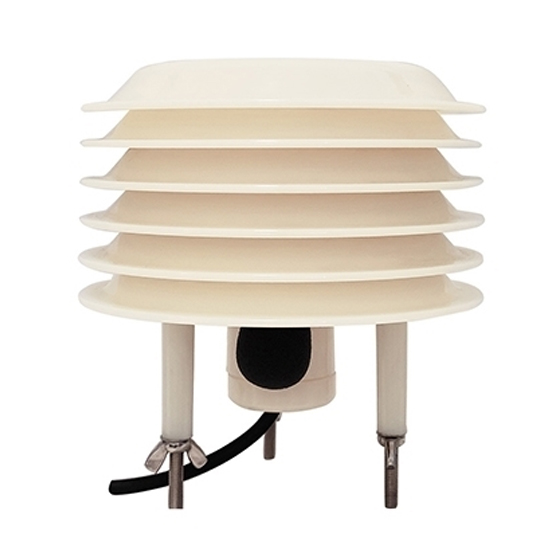
- Real-Time Monitoring: Features a swift noise sensor response times ≤3s to instantly stream decibel metrics and trigger immediate alerts the moment thresholds are breached.
- Easy Installation: Built with ultra-compact form factors ( featuring versatile output options of 0-5V and 4-20mA) for fast, hassle-free mounting on walls or inside enclosures.
- Customizable Thresholds: Provides a wide measurement range (30 dB to 130 dB) and accuracy up to ±0.5dB to precisely match your specific environmental limits.
- Historical Data Support: Engineered for high stability (less than 2% drift over its service life) to feed consistent, reliable decibel logs into your long-term storage dashboards.
- Privacy-Compliant: Measures raw sound pressure levels (A-weighted decibels) purely on a hardware level without any capability to record or stream spoken words.
- Seamless Integration: Supports the industry's widest range of outputs—including RS485 (Modbus-RTU), 0-3V, IIC, and TTL—for effortless connection to any smart building or PLC network.
Frequently Asked Questions
Q1: What is the difference between Class 1 and Class 2 noise sensors?
A: Class 1 sensors are precision-grade instruments used for laboratory research and legal court evidence, while Class 2 sensors are cost-effective noise sensors designed for general industrial safety and property monitoring.
Q2: Will using this noise sensor in a rental property or office violate privacy laws?
A: No. These noise sensors operate strictly at the hardware level to measure raw sound pressure levels (decibels). They do not contain any audio recording chips, microphones capable of capturing speech waveforms, or data storage for voice payloads, making them fully privacy-compliant.
Q3: How does wind affect outdoor noise sensor measurements, and how can I prevent false alerts?
A: Wind blowing directly across a noise sensor creates air turbulence, which can cause false, inflated decibel spikes. To prevent this, outdoor installations should always use a specialized wind shield, such as a Louvre Box enclosure or a high-density foam windscreen.
Q4: Can I run long cable lines from the noise sensor to my control room without losing data accuracy?
A: If you use RS485 (Modbus-RTU) or 4-20mA current loop models, you can run cables up to several hundred meters without signal degradation. For TTL or IIC models, cables should be kept as short as possible (typically under 1 meter) to avoid communication interference.
In conclusion, choosing the right noise sensor for your project involves careful consideration of your specific needs, the technology available, and the environmental conditions. By following the steps outlined in this article, you can make an informed decision and choose a sensor that will enhance the performance and reliability of your project.
